Patients are already self-medicating with peptides from unregulated sources, creating safety risks. An FDA advisory committee recently recommended permitting compounding for most of seven peptides under review. While large randomized trials are lacking for many compounds, years of clinician experience and preclinical data (for example, BPC-157) suggest potential benefits. The author urges regulated, clinician-supervised access, standardized quality controls, and use of real-world data to build evidence and protect patients.
FDA Advisory Vote On Peptides Could Protect Millions — But Only With Supervision And Guardrails

Actress Rebel Wilson is the new Chief Health Ambassador at Noom, spearheading the weight loss company's campaign for GLP-1 microdosing.(LACEY TERRELL)
Ask any physician working in longevity medicine and you'll hear a familiar refrain: patients are arriving already taking peptides. They often buy them from dubious websites that label products as "research chemicals," follow dosing guidance from social media threads, and lack a trusted clinician to consult when questions or adverse effects arise.
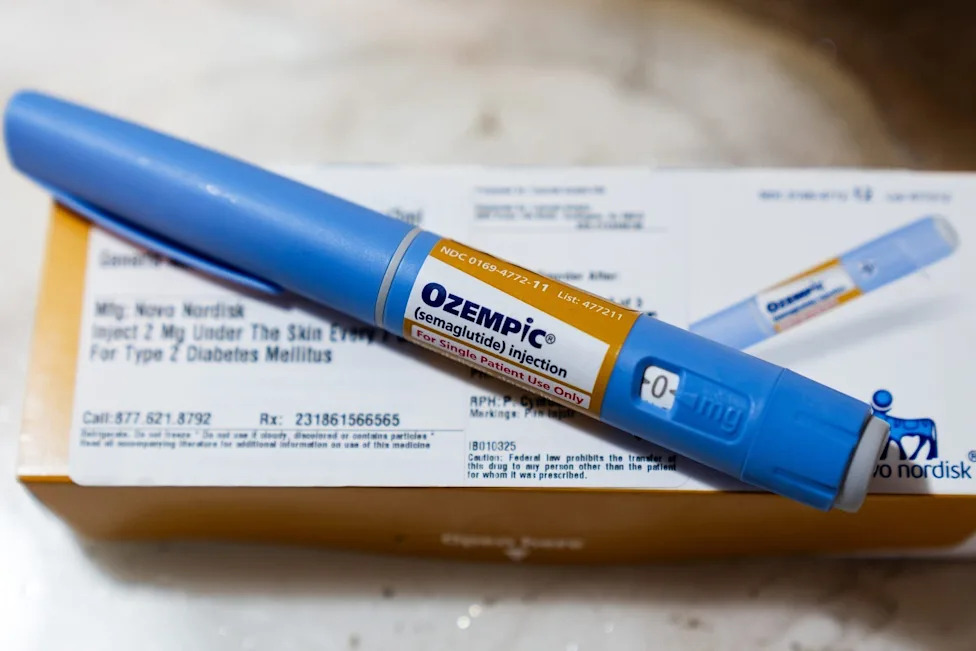
A new study found 2 in 3 people who took GLP-1 drugs such as Ozempic to lose weight quit within one year. People with Type 2 diabetes are more likely to continue using the medication.(Josh Morgan, Josh Morgan / USA TODAY NETWORK via Imagn Images)
These are not fringe enthusiasts. They are friends, family members, neighbors and colleagues who heard there might be benefit, could not find a doctor willing to engage, and relied on whatever the internet provided. That describes today's peptide market — largely unregulated, unsupervised and difficult for patients to navigate safely.

U.S. Sen. Bernie Sanders (I-VT), Chairman of Senate Health, Education, Labor, and Pensions Committee speaks during a hearing of Novo Nordisk CEO Lars Jorgensen on U.S. prices for the weight loss drugs Ozempic and Wegovy, on Capitol Hill in Washington.(Piroschka Van De Wouw, REUTERS)
Why this matters now
Recently, the Food and Drug Administration's Pharmacy Compounding Advisory Committee reviewed seven peptides at its July 23–24 hearing and advised allowing compounding of most. When regulators and medical institutions decline to engage with therapies patients are actively pursuing, demand does not disappear — it migrates into an unsafe gray market. Avoiding the problem does not make it go away, and it certainly does not make patients safer.

Shoppers enter the Costco Wholesale membership warehouse club store at One Daytona in Daytona Beach on Saturday, July 19, 2025. The retailer's pharmacy now sells discounted prescription weight-loss drugs Ozempic and Wegovy.(Clayton Park/News-Journal, Clayton Park/News-Journal / USA TODAY NETWORK via Imagn Images)
Peptides: Powerful, But Varied Evidence
Peptides are short chains of amino acids that act as signaling molecules in the body. Some of the most important medicines are peptides: insulin transformed diabetes care decades ago, and semaglutide and related GLP-1 drugs have become major therapies for obesity, diabetes and associated conditions. By modulating a single signaling pathway, a peptide can affect multiple organ systems — a feature that makes them powerful clinical tools.

Following the birth of Serena Williams' second daughter in 2023 and as part of her partnership with the telehealth company Ro (of which her husband, Alexis Ohanian, is an investor, and she’s a paid spokesperson), in 2024 Williams began taking the injectable GLP-1 weight-loss medication Zepbound. She's since lost 31 pounds.(Provided by Ro)
Yet not all peptides have the same evidence base. BPC-157, one of the compounds considered by the advisory committee, shows encouraging preclinical data suggesting accelerated tissue repair and reduced inflammation. Clinicians report nearly a decade of real-world experience suggesting benefits such as faster recovery from injury and improvements in some inflammatory bowel disease symptoms. However, large randomized human trials are still lacking.
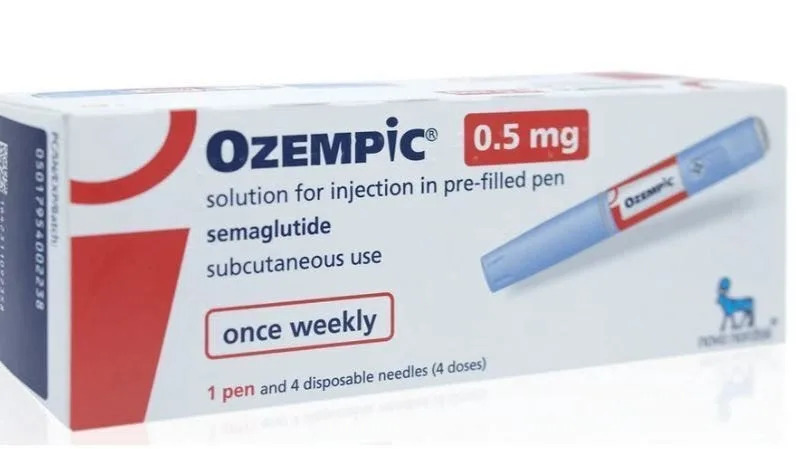
Ozempic is the most popular GLP-1 medication on the market.(Provided by Novo Nordisk)
For many peptides, randomized controlled trials either do not exist or are unlikely to be completed because the compounds are old, inexpensive or unpatentable — meaning no commercial sponsor is willing to pay the hundreds of millions of dollars required for large trials. "No randomized controlled trial" is not the same as "no evidence." Years of clinician experience and observational data can provide meaningful signals, especially when randomized trials are impractical.

A vaccine vial and syringe with a peptide.
Risk, Regulation and a Path Forward
The safety concerns surrounding peptides stem largely from misinformation, supply-chain quality issues and a regulatory vacuum. When patients self-medicate with material from unverified suppliers and without medical oversight, the risks include incorrect dosing, contaminated products and delayed treatment for underlying conditions.

A U.S. Food and Drug Administration (FDA) logo, a syringe and a vial are seen in this illustration taken May 13, 2025.
Key proposition: Bringing promising peptides into regulated, clinician-supervised care — with clear quality standards, informed consent and active safety monitoring — can reduce harm and create the real-world evidence needed to evaluate efficacy.
The advisory committee that reviewed these peptides is composed of practicing pharmacists, physicians and patient representatives who work directly with patients. Their frontline perspective complements the FDA's policy, research and enforcement expertise, and their recommendation to allow compounding for the majority of the reviewed peptides represents a pragmatic step toward safer access under clinical supervision. The committee also suggested safeguards for quality, monitoring and clinician education — exactly the kinds of guardrails that reduce risk.
What clinicians, regulators and patients should do next
- Allow limited, regulated compounding of peptides with standardized quality testing and reporting requirements.
- Encourage clinician oversight, informed consent and clear patient education about benefits, uncertainty and risks.
- Leverage real-world data (electronic health records, registries, pragmatic trials) to build evidence where traditional randomized trials are impractical.
- Invest in surveillance and adverse-event reporting to detect safety signals early.
Meeting new science with rigor, curiosity and measured innovation — rather than dismissal — offers the best chance to convert clinician experience into robust evidence and to protect patients who are already taking these drugs. Build the guardrails, let physicians and researchers do their jobs, and allow these therapies to mature safely into medicine where the data support them.
About the author: Dr. Anant Vinjamoori is Chief Medical Officer of Hims, where he directs clinical strategy and oversees delivery of evidence-based care across the company's services. He is a board-certified physician with expertise in internal medicine, preventive health and longevity medicine. Vinjamoori holds a B.S. in Biological Sciences from Stanford University, an MD from Harvard Medical School and an MBA from Harvard Business School, and completed his internal medicine residency at Brigham and Women's Hospital in Boston.
Help us improve.