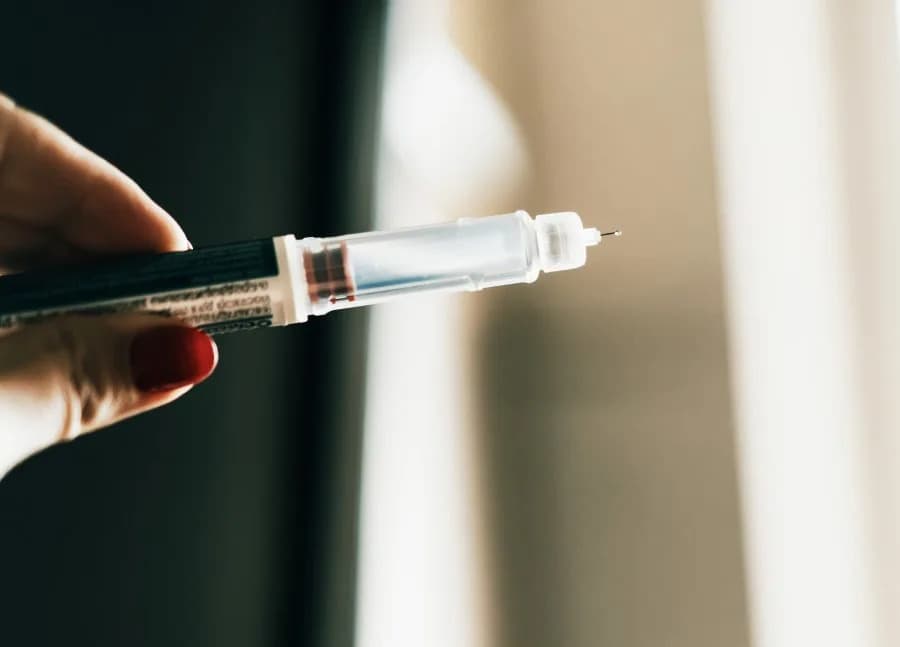
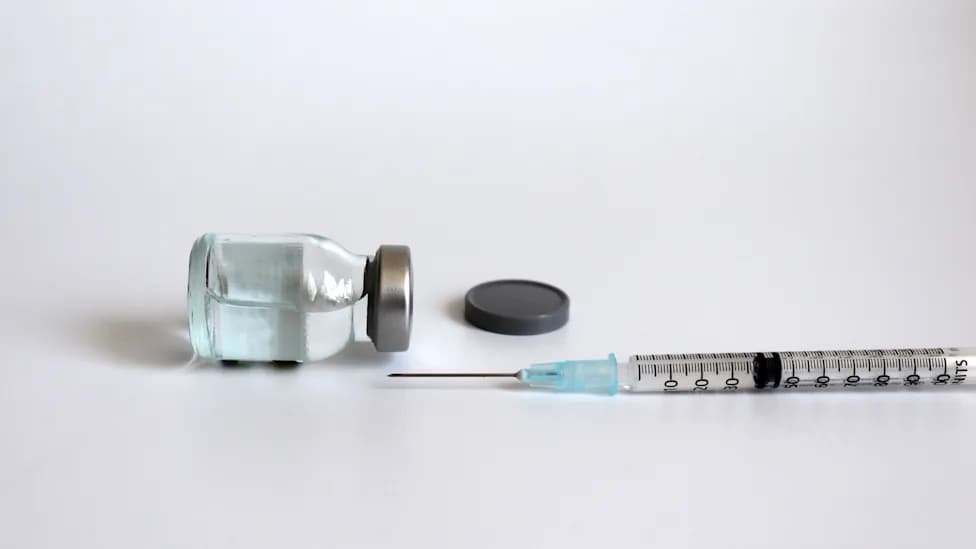
Independent testing found that four injectable "research use only" peptide vials purchased from a Brooklyn bodega contained none of the active ingredients listed on their labels. Finrick's analysis detected low levels of heavy metals and endotoxins but did not determine what the vials actually contained. The case highlights weak oversight of gray-market wellness products, the limits of "research use only" labeling, and the risks consumers face when buying unverified injectables.
Viral Peptide Vials From Brooklyn Bodega Fail Lab Tests, Raising Safety Red Flags
Photo Credit: iStock
A popular wellness product sold at a Brooklyn bodega has come under renewed scrutiny after independent laboratory testing found the vials did not contain the active ingredients printed on their labels.
What Was Tested
Wired purchased four injectable products labeled as "research use only" from Mister Green, a Brooklyn bodega, in June for just over $375. Independent testing by startup Finrick, whose results Wired obtained in August, showed that none of the four vials contained the peptides listed on the packaging.
Key Findings
Although the tests did not reveal obvious high-level contamination, analysts detected low levels of heavy metals and endotoxins. Crucially, because Finrick only searched for the labeled ingredients, the actual contents of the vials remain unknown.
Possible Explanations
- Mislabeling at the manufacturer or distributor level.
- Degradation of active ingredients due to improper storage or shipping conditions.
- Substitution of cheaper or different compounds that were not part of the lab's testing panel.
Regulatory And Safety Context
Products marketed as "research use only" are not approved for human consumption in the United States. Unlike prescription medicines, these peptides have not undergone standard regulatory review for safety, purity, or efficacy. Yet many are sold online and in brick-and-mortar stores, which can create a misleading impression of mainstream acceptance or vetting.
"Basically anyone can open a peptide business these days, and it's really easy to buy this kind of product online and in stores," Wired reported.
What Consumers Should Know
Buyers should be cautious of injectable products purchased outside regulated medical channels. Independent testing can reveal mismatches between label claims and actual contents, but limited testing panels may not identify all substitutions or contaminants. If you encounter unexpectedly labeled or unverified products, avoid using them and consider reporting the seller to local health authorities.
Broader Pattern
This incident fits a wider pattern of consumer products whose labels do not always match contents or safety expectations — from heavy metals found in some health products to ongoing concerns about food additives and persistent environmental toxins.
Wired reported that INDR Labs, the company named on the vials, did not respond to requests for comment and that its website was placed behind a password after contact from the outlet.
Help us improve.