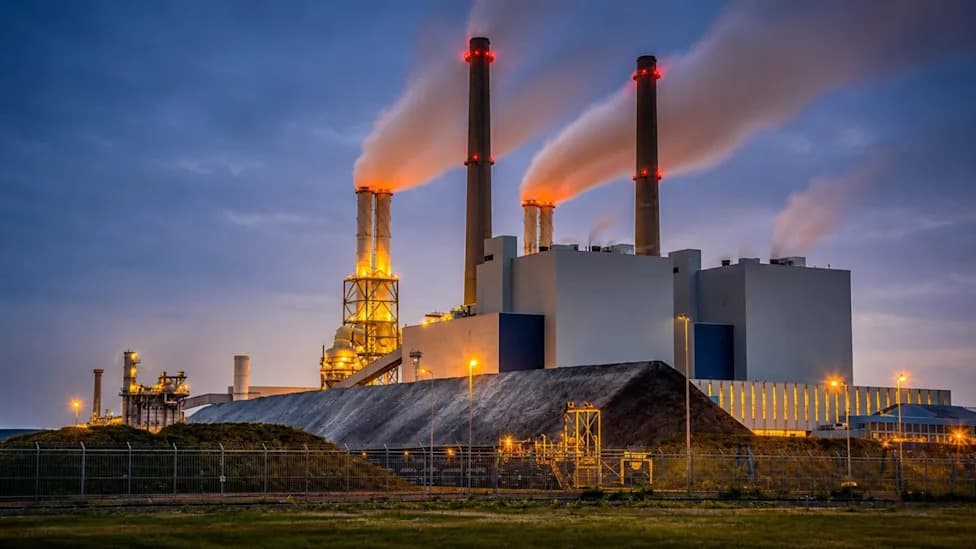
The U.S. added a record 50 GW of solar, wind and battery capacity in 2025, and Rhodium Group’s new "Taking Stock" report projects strong renewables growth through 2030 driven largely by safe-harbored tax credits. By 2030, emissions are forecast to fall about 26%–29% below 2005 levels, but outcomes diverge sharply after 2030 depending on clean-technology costs and natural gas prices. Key wildcards include battery deployment, expanding LNG exports, and future federal policy — any of which could push the country toward much lower or higher emissions in the 2030s.
U.S. Clean Energy Surge Likely Through 2030 — Post‑2030 Outlook Hinges on Costs, Gas Prices and Policy
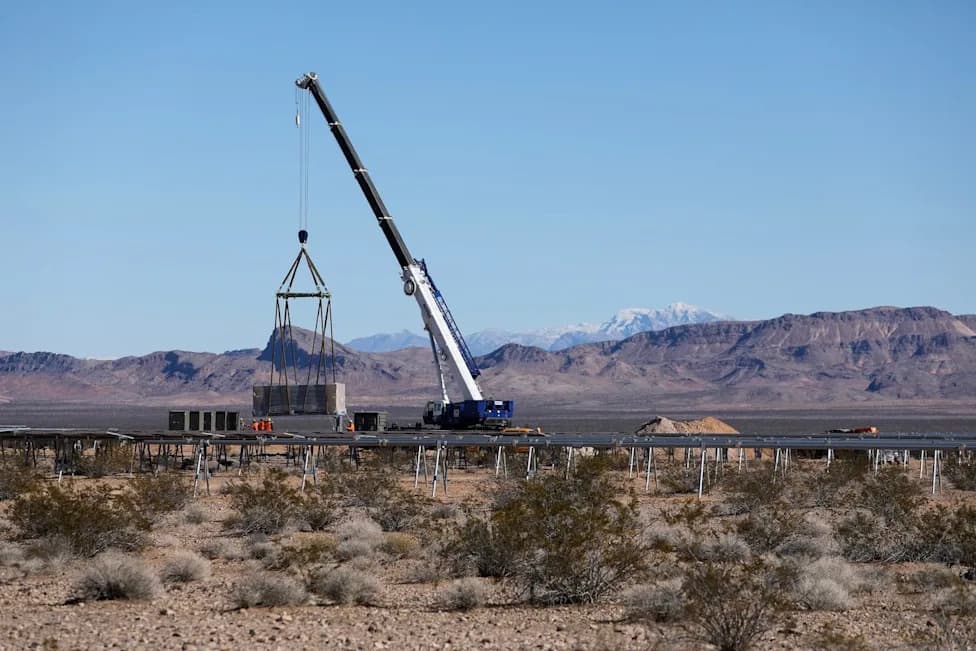
The US clean energy boom will continue to 2030. Then things get hazy.
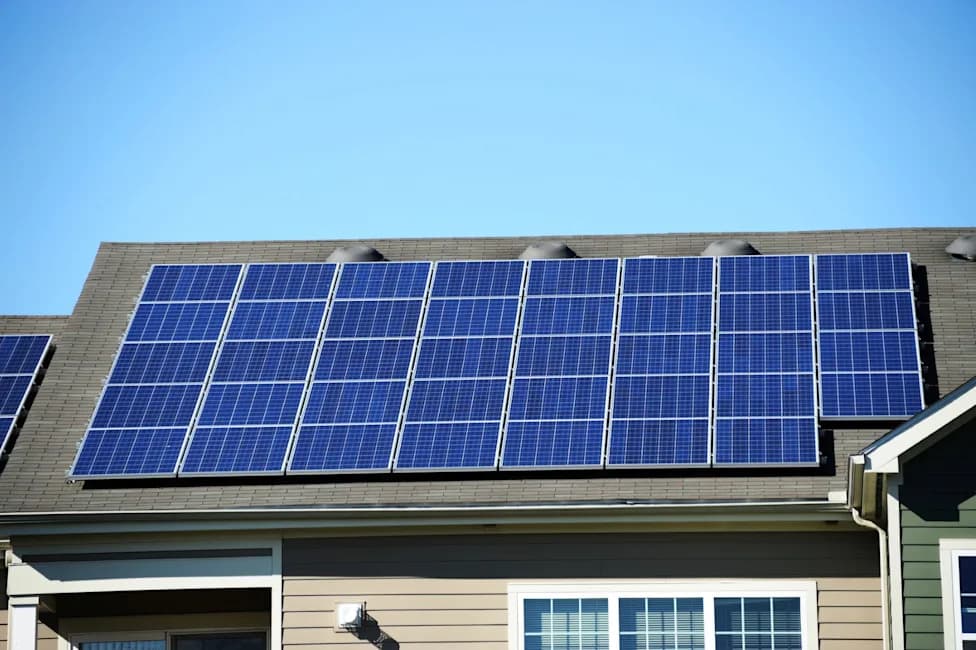
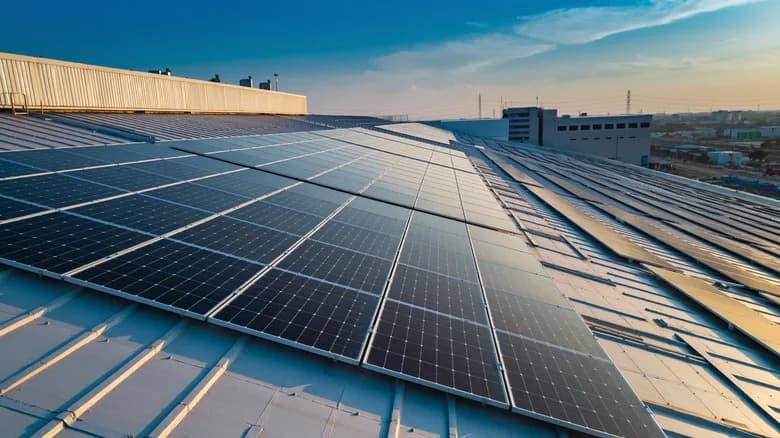
How far will the U.S. clean-energy transition go? Despite policy rollbacks under the Trump administration, real-world clean-power construction has continued at a rapid clip: the United States added a record 50 gigawatts of solar, wind and battery capacity in 2025.
That momentum raises a critical question: can technology cost declines and market forces sustain the buildout once today’s policy supports fade? The Rhodium Group’s new annual "Taking Stock" report offers a range of plausible futures shaped by clean-energy deployment, rising electricity demand from AI and data centers, expanding U.S. LNG exports, and geopolitical risks such as the war with Iran.
Main Findings
Rhodium models three scenarios — low-, mid- and high-emissions — built from dozens of inputs across the power sector and wider economy. Its headline projections:
- U.S. carbon emissions are projected to fall about 26%–29% below 2005 levels by 2030.
- By 2040 the range widens from roughly a 27% reduction (flat emissions through the 2030s) up to about a 41% reduction.
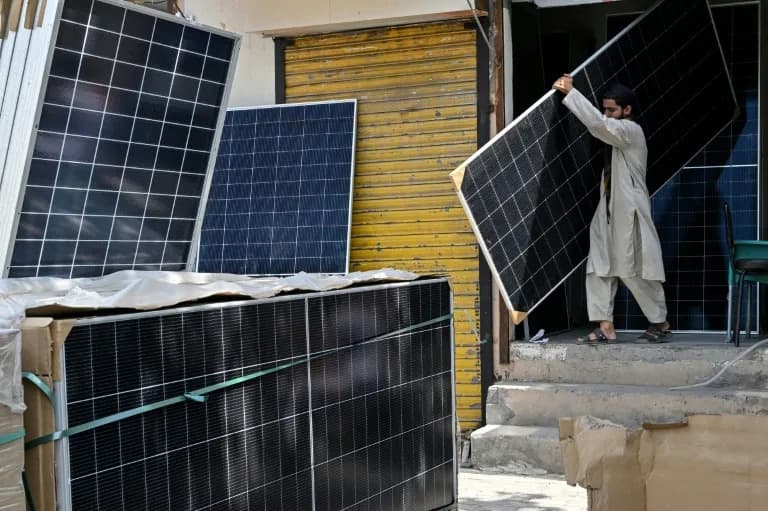
- Near-term installation momentum is largely driven by a tax-rule quirk: projects that began construction before July 4 are eligible for "safe-harbored" tax credits if completed within the next four years — supporting an expected ~50 GW/year of combined solar, storage and wind through the late 2020s.
"Our goal with the scenarios is to form a reasonable bound around where emissions are headed," said Hannah Kolus, lead author and senior analyst at Rhodium. "But we take no position on where within the range we might be falling."
Why the 2030s Are Uncertain
After the safe-harbor window ends, policy support for wind and solar wanes in many scenarios and futures diverge sharply. The core drivers of that divergence are twofold: the future cost trajectory of clean technologies (especially batteries) and domestic natural-gas prices.
Rhodium’s scenarios illustrate how different price dynamics produce very different outcomes for new capacity in the 2030s:
- Low-emissions case: Clean technologies continue to fall in cost and dominate new builds — about 53 GW of annual clean installations through 2040 and only ~5 GW/year of new gas plants.
- High-emissions case: Clean costs remain relatively high while gas stays cheap — clean installs drop to ~3 GW/year, and gas additions rise to ~16 GW/year.
- Mid case: A mixed decade with renewables averaging ~16 GW/year in the early 2030s then rebounding to ~45 GW/year later; gas additions average ~9 GW/year.
The high-emissions pathway would sharply reduce construction activity, jobs and local tax revenues tied to clean-energy projects, while slowing the flow of new renewable power to states and customers seeking it.
Wildcards That Could Tilt the Outcome
Several developments could push the U.S. toward the low-emissions outcome or the high-emissions one:
- Faster-than-expected cost declines: Solar, wind and batteries have historically outperformed many cost forecasts — betting on continued declines favors a cleaner power mix.
- LNG export dynamics: The U.S. is building substantial LNG export capacity. So far, higher exports haven’t spiked domestic gas prices because producers increased output; but a production shortfall would raise domestic prices and weaken gas economics.
- Battery deployment: Rhodium’s model shows storage scaling primarily in the low-emissions case, but batteries can be built quickly, reduce local pollution compared with peaker gas plants, and support fast-growing loads (for example, data centers powering AI). Where batteries scale, they displace gas — California is already an example.
- Federal policy and permitting: Presidential leadership and permitting reforms could reinstate or create incentives that revive large-scale clean deployment after 2030.
What This Means
In the near term, robust buildout driven by safe-harbored tax credits and project pipelines will likely keep U.S. clean-energy installations near record levels through the late 2020s. Beyond 2030, markets, technology costs, global gas demand and domestic policy choices will determine whether that momentum continues or stalls.
Policymakers, industry and investors should treat the late 2020s as a crucial window to lock in infrastructure, accelerate storage deployment, and reduce permitting barriers — steps that would make the cleaner scenarios far more attainable.
Help us improve.