Brookhurst Wood, a former landfill near Horsham (closed in 2018), has been restored into more than 35 acres of species-rich grassland and now supports three vulnerable butterfly species: Grizzled Skipper, Dingy Skipper and Small Heath. The site records 26 butterfly species and has attracted several declining birds. Led by Biffa UK with Butterfly Conservation, the project also contributes to Biodiversity Net Gain targets and highlights how degraded land can be returned to nature.
From Landfill to Lifeline: Brookhurst Wood Now Home to Three Vulnerable UK Butterflies
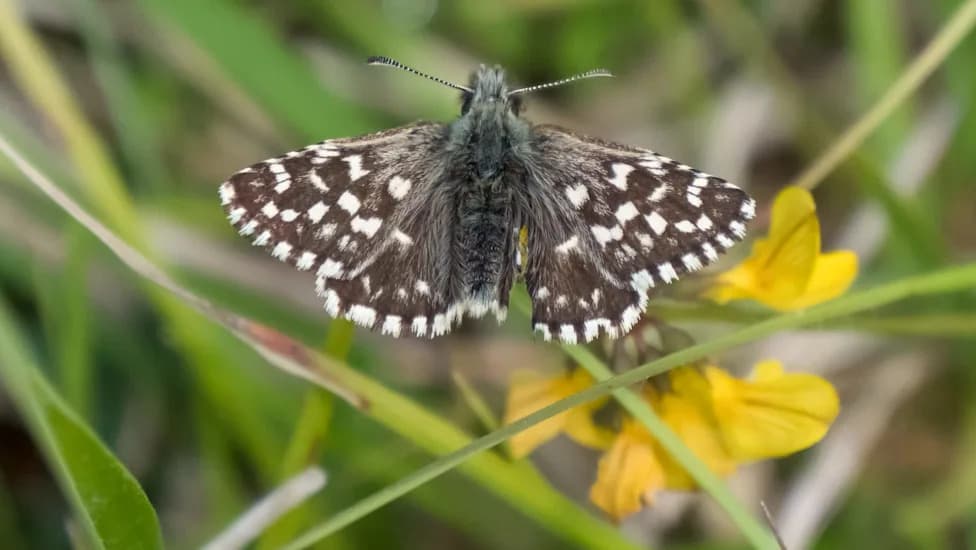
Photo Credit: iStock
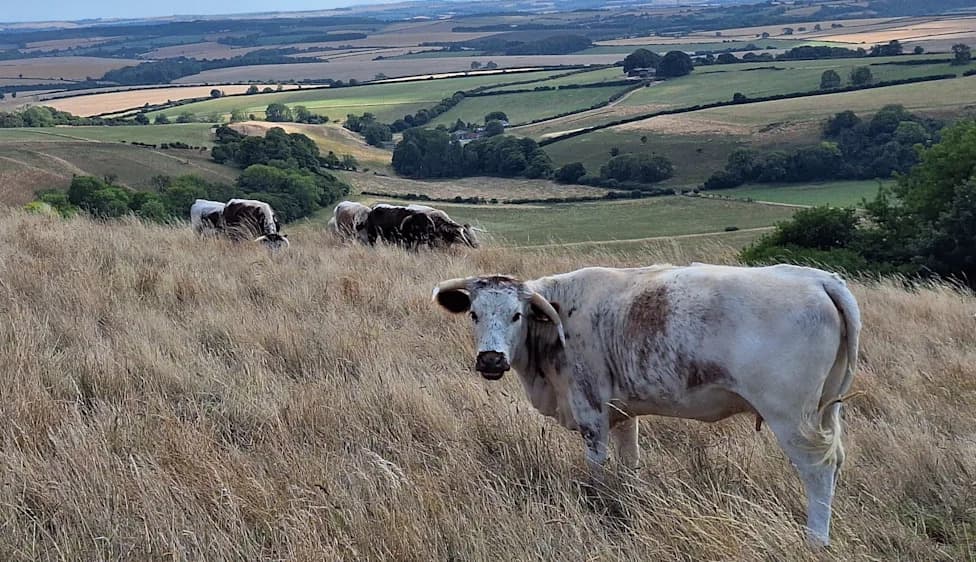
Brookhurst Wood, a former municipal landfill near Horsham in West Sussex, has been transformed into more than 35 acres (14 hectares) of species-rich grassland that now supports a remarkable rebound in wildlife.
The site, which stopped receiving waste in 2018, today hosts three vulnerable butterfly species — the Grizzled Skipper, Dingy Skipper and Small Heath — all of which have been declining across the U.K. After restoration, surveyors have recorded 26 butterfly species in total, including Common Blue, Green Hairstreak, Small Copper, Peacock and Red Admiral, alongside migrant visitors such as Painted Lady and Clouded Yellow.
Careful Restoration Made the Difference
More than 35 acres were reshaped and sown with wildflower-rich grassland as part of a sensitive ecological restoration led by waste-management firm Biffa UK in partnership with Butterfly Conservation. The work included contouring the land, establishing diverse native flora and creating conditions that support insects, birds and other wildlife.
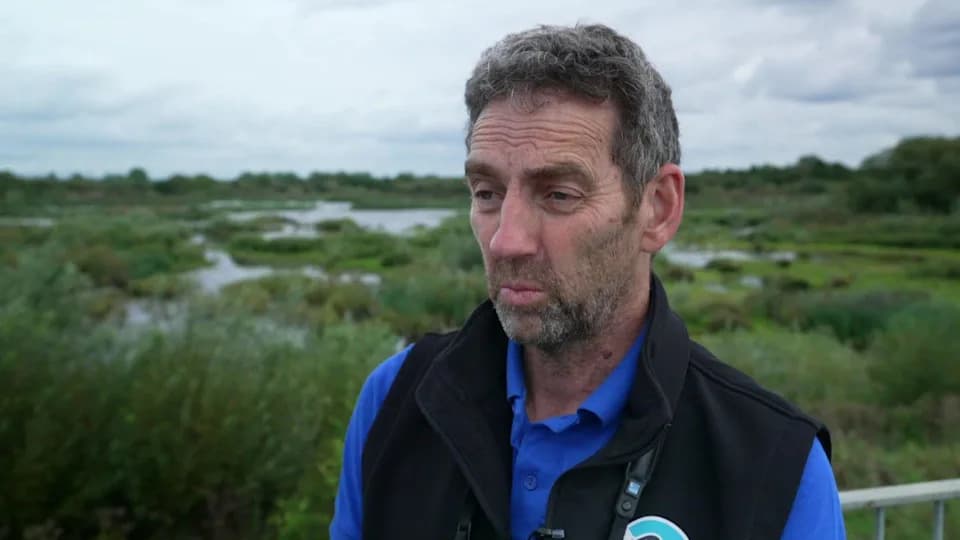
"Butterflies are great indicators of the health of our environment. The sensitive restoration of landfill sites such as Brookhurst Wood is providing perfect conditions in which they can thrive," said David Bridges, a Butterfly Conservation volunteer involved in the project.
The restored habitat is also attracting bird species that have become scarcer elsewhere, including nightingales, skylarks and linnets, with frequent sightings of kestrels and red kites.
Wider Benefits And Policy Linkages
Biffa is turning some restored landfill areas into Biodiversity Net Gain units for developers in England. Under current rules, projects must deliver at least a 10% increase in biodiversity, creating demand for places where habitat can be restored at scale. Brookhurst Wood is one example of how former waste sites can contribute to these targets while producing measurable conservation gains.
Although Brookhurst Wood is not open to the public, its recovery still benefits surrounding ecosystems and local communities by improving air quality, increasing ecological resilience and supporting broader biodiversity.
Butterfly Conservation’s annual Big Butterfly Count continues through Aug. 9; volunteers are encouraged to spend 15 minutes a day recording butterflies to help track trends and guide future conservation work.
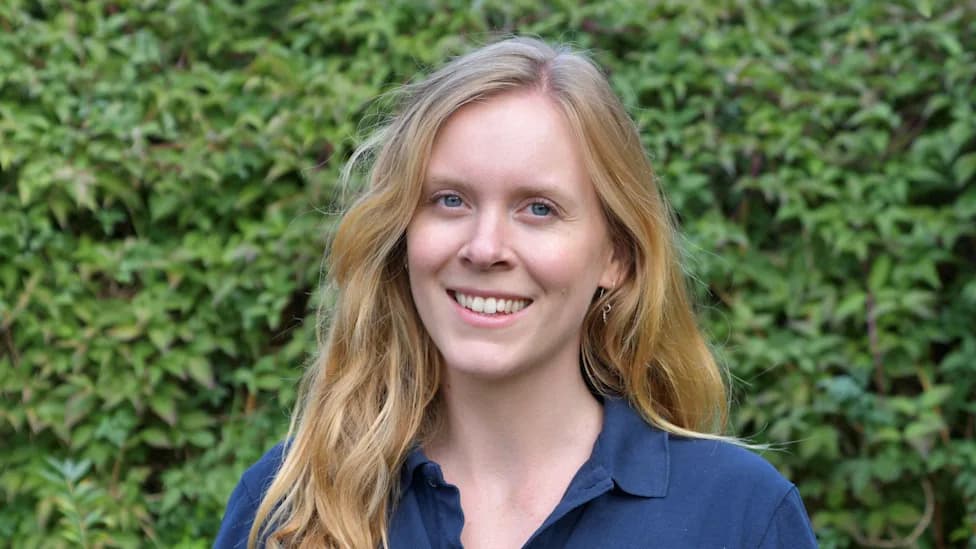
"It has been wonderful to see butterflies including the rare Grizzled Skipper flourishing here," Bridges added. Duncan Wright, Biffa’s Landfill General Manager, called it "an absolute joy" to watch the site transform from a working landfill into a sanctuary for rare butterflies and birds.
This recovery at Brookhurst Wood shows how thoughtfully restored land — even sites once used for waste disposal — can become valuable habitat and play a role in regional conservation strategies.
Help us improve.