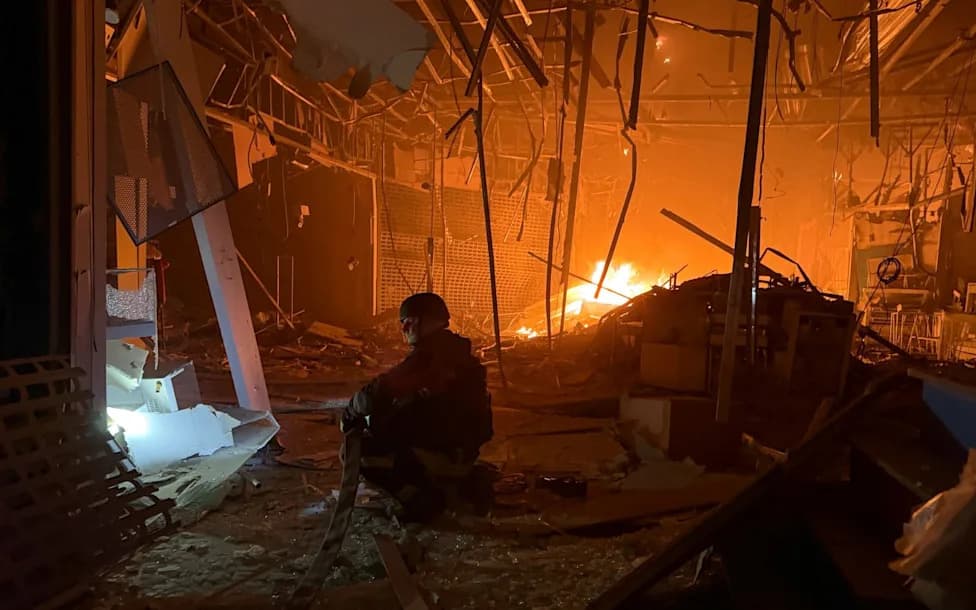
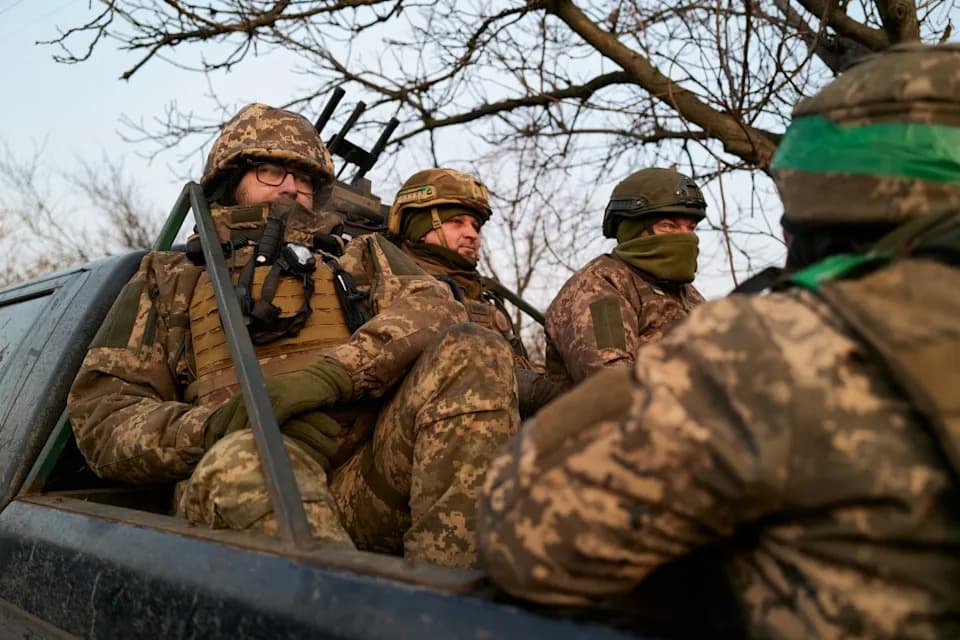
The July 22 mechanized assault southeast of Dobropillya, publicized by Ukrainian units on July 24–25, was repelled by coordinated FPV and heavy drones, artillery and pre-laid minefields. First Corps Azov reported heavy Russian losses—including seven tanks and more than 150 casualties—though Moscow has not confirmed details. Footage highlights tactical shifts: more dispersed formations, limited anti-drone armor and use of motorcycles for rapid troop movement. The engagement underlines how drones are reshaping offensive operations on the front.
Failed Russian Mechanized Assault Near Dobropillya Exposes Evolving Tactics and Drone Dominance
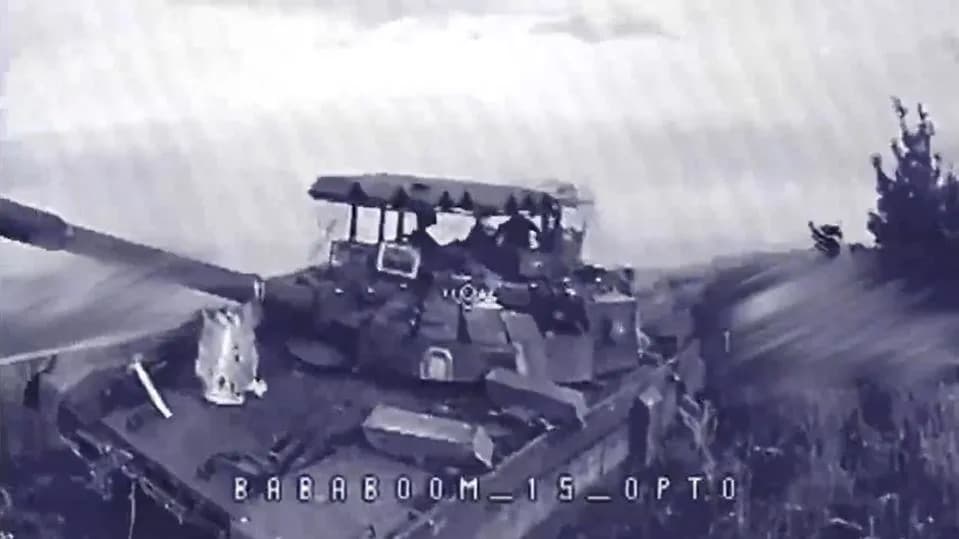
Image capture from video posted on social media on July 24, 2026. The video consisted of a compilation of drone footage collected by the Phoenix Unit of the Ukrainian State Border Guard Service showing the destruction of Russian vehicles and personnel during a mechanized assault near Dobropillya. This image shows a Russian tank that is being targeted by a Ukrainian drone.Social Media Capture
Summary: Drone footage released in late July captured the destruction of Russian vehicles and personnel during a mechanized assault southeast of Dobropillya in Donetsk Oblast. The attack, conducted on July 22 and publicized July 24–25 by Ukrainian units, was repelled by coordinated drone strikes, artillery and pre-laid defenses. Reported Russian losses were heavy, although Moscow has not confirmed the figures.
What Happened
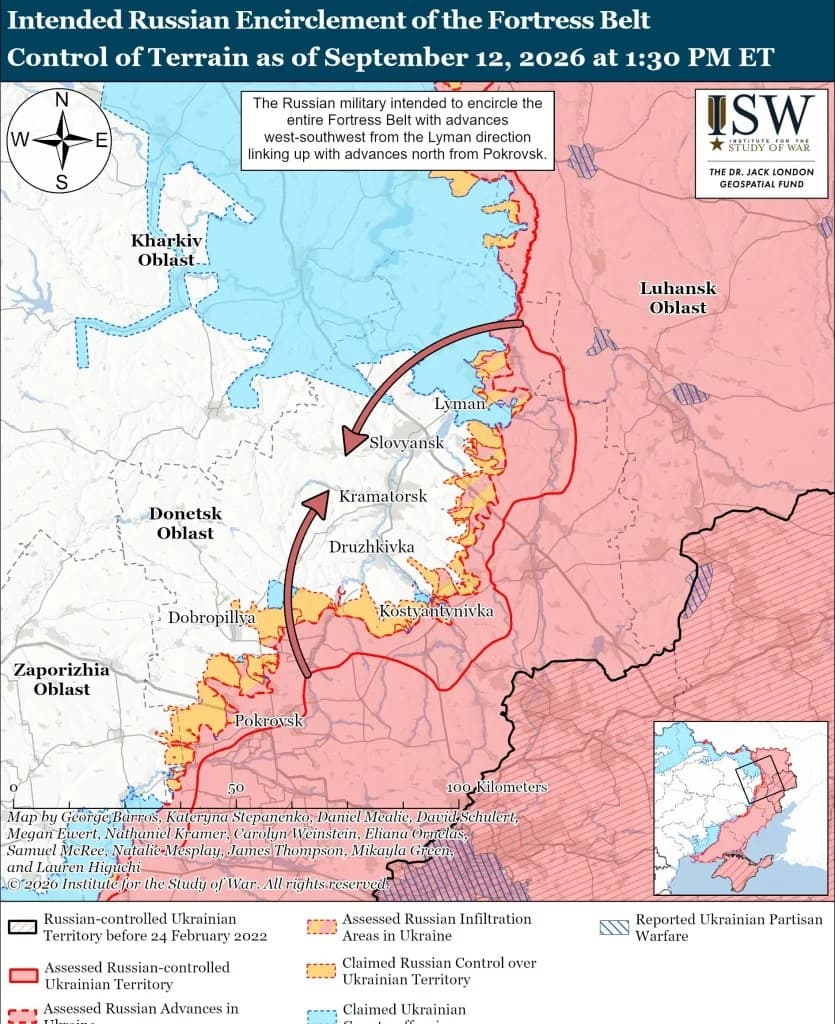
On July 22, a Russian mechanized force advanced southeast of Dobropillya toward Ukrainian positions near Shakhove. Videos posted by the Phoenix Unit of the State Border Guard Service and the First Corps Azov of the National Guard on July 24–25 show tanks, infantry fighting vehicles, multiple-launch rocket systems and light vehicles coming under sustained drone and artillery fire as they moved along multiple axes, including the Boikivka–Mayak–Shakhove corridor.
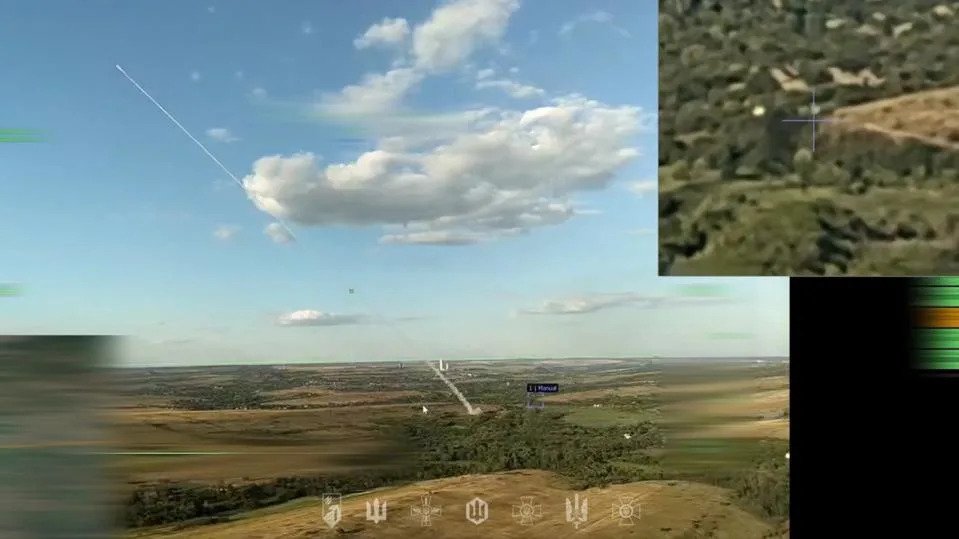
Image capture from video posted on social media on July 25, 2026. The video consisted of a compilation of drone footage collected by the First Corps Azov of the National Guard of Ukraine showing the destruction of Russian vehicles and personnel during a mechanized assault near Dobropillya. In this image, a Russian missile launch is detected by a Ukrainian drone.
Forces Involved
First Corps Azov attributed the assault to elements of Russia's 8th and 41st Combined Arms Armies and the 90th Tank Division, though the units visible in released footage appear closer to a reinforced company in size. The attacking formation reportedly included tanks, armored fighting vehicles, BM-21 Grad systems, a Tornado-S system, commercial trucks, motorcycle-borne infantry and supporting drones.
How Ukraine Repelled the Attack
Ukrainian reconnaissance drones detected the advance early and coordinated a rapid response. The Phoenix Unit and other Ukrainian formations used a mix of FPV strike drones, heavy bomber drones and coordinated artillery strikes. Defenders had also emplaced minefields and damaged key bridges along likely approaches; reported Russian attempts to restore crossings with pontoons were struck by Ukrainian tactical aviation.
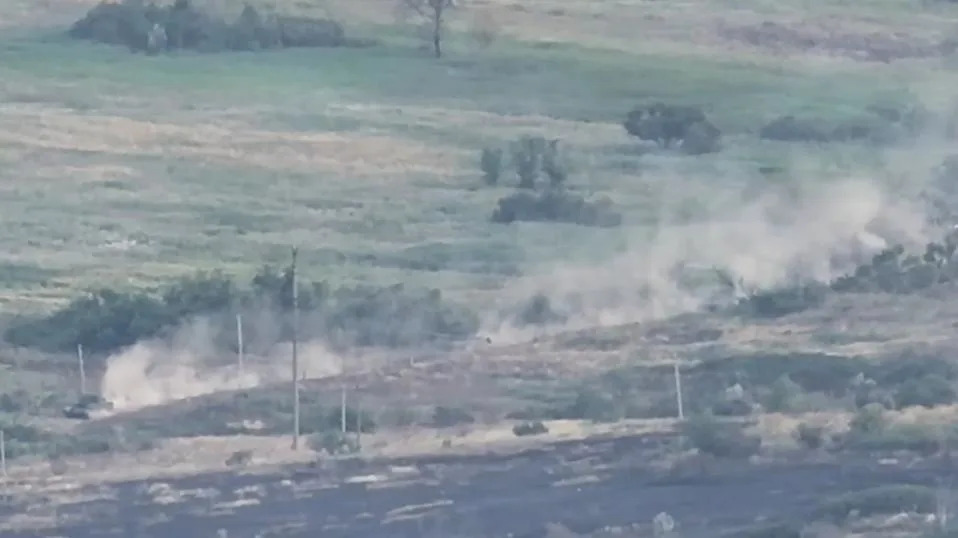
Image capture from video posted on social media on July 25, 2026. The video consisted of a compilation of drone footage collected by the First Corps Azov of the National Guard of Ukraine showing the destruction of Russian vehicles and personnel during a mechanized assault near Dobropillya. This image shows the Ukrainian drones detecting a line of Russian tanks driving along a dirt road.
According to First Corps Azov, losses included seven tanks, six armored fighting vehicles, one BM-21 Grad, one Tornado-S, three specialized systems, 47 light vehicles and more than 150 personnel killed or wounded. These figures remain unconfirmed by the Russian Ministry of Defense.
Tactical And Equipment Trends Seen In Footage
- Dispersion Over Density: Vehicles advanced with wide spacing rather than dense columns, a change intended to reduce vulnerability to massed drone or artillery strikes.
- Limited Anti-Drone Armor: Many tanks lacked extensive improvised anti-drone protections (like hedgehog-style cable arrays). Instead, footage shows small canopies or thin plates over command hatches, likely meant to provide standoff protection against munitions from bomber drones.
- Motorcycle And Truck Mobility: Troops were transported rapidly on motorcycles and commercial trucks. Videos show many motorcycle teams dismounting and dispersing into vegetation to continue on foot, indicating these vehicles were primarily for rapid insertion rather than protected assault transport.
- Drone-On-Drone Contest: Russian Gerbera and Lancet drones reportedly attempted to suppress Ukrainian drone operations but were unable to prevent effective Ukrainian strikes.
Possible Intentions Behind The Assault
Open-source analysts and Ukrainian units offer several plausible explanations: the assault may have been an attempt to capitalize on months of small-unit infiltration and prepared positions; it could have aimed to exploit resources tied up countering infiltration elsewhere; or it may have been a diversion to draw attention and fire while smaller infantry teams attempted to penetrate defenses by other routes.
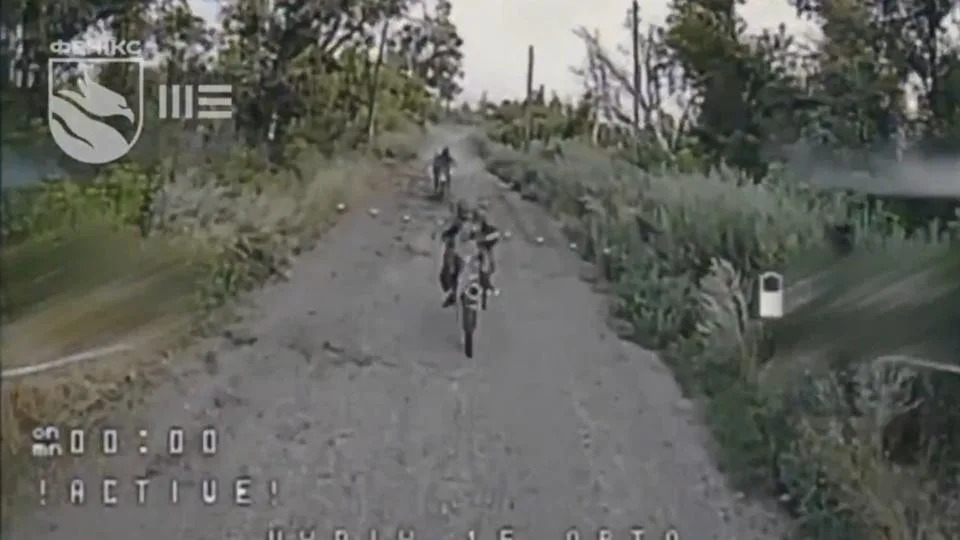
Image capture from video posted on social media on July 24, 2026. The video consisted of a compilation of drone footage collected by the Phoenix Unit of the Ukrainian State Border Guard Service showing the destruction of Russian vehicles and personnel during a mechanized assault near Dobropillya. This image shows two Russians on motorcycles that are being targeted by a Ukrainian drone.
Why It Matters
The Dobropillya action illustrates the continued evolution of battlefield tactics under persistent drone pressure. Russia appears to be experimenting with blended approaches—limited mechanized thrusts supported by infiltration teams and light mobility platforms—while Ukrainian forces increasingly rely on drone reconnaissance, strike drones and combined arms fires to blunt such attacks.
Outlook
Russia is likely to continue limited mechanized assaults alongside widespread small-unit infiltrations. Mechanized attacks still offer the possibility of a decisive breakthrough, but Ukraine's improving drone-centered defenses make such operations costly and uncertain. Whether Russian adaptations to formations and equipment will produce more successful outcomes remains unclear.
Note: Casualty and equipment-loss figures come from Ukrainian sources and have not been independently confirmed by the Russian Ministry of Defense.
Help us improve.