Millions of NHS mobility aids, notably crutches, sit unused in British homes because returning them is often confusing and inconvenient. FOI data and hospital estimates show high non-return rates and significant financial loss, while local pilots that improved returns were not rolled out nationally. Critics point to inconsistent policies, collection costs and product design that discourages reuse, all of which add avoidable clinical waste and safety risks. Some trusts now run reuse schemes, but a standardised national process is still lacking.
Why Millions Of NHS Crutches Are Gathering Dust — And What’s Being Wasted
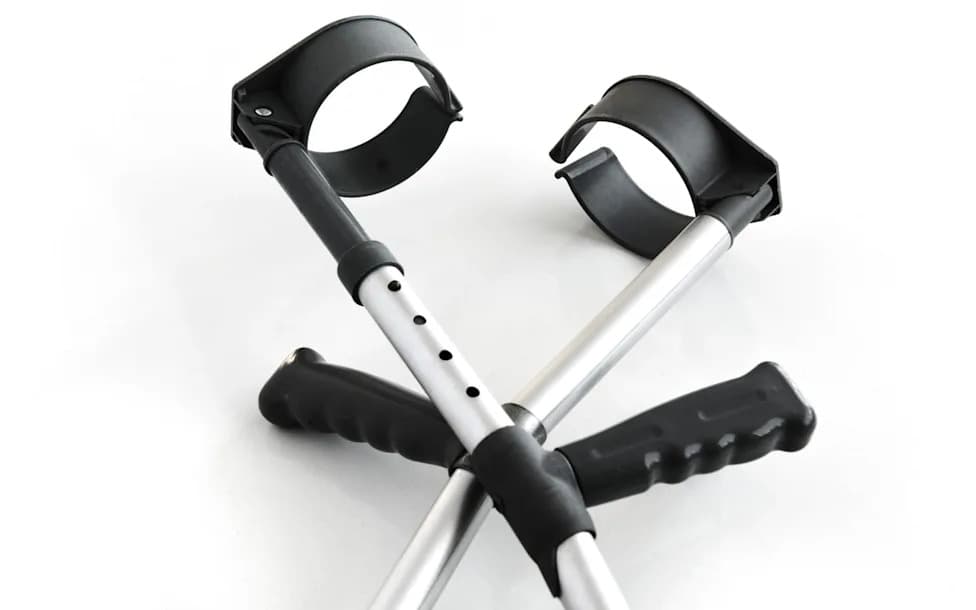
In 2019, 78 per cent of walking aids were never returned
Jane Epworth* marked the birth of her daughter with an unlikely memento: a pair of crutches. After developing a painful condition during pregnancy in 2002 she was issued crutches to help with weight-bearing. When she later tried to return them, no one could tell her where to take them, and the items sat in her attic for almost two decades.
'It felt oddly complicated,'she recalls. 'I rang the local community hospital and no one knew the process. Life then took over — caring for young children and returning to work — and returning the crutches felt like too much hassle when there was no clear guidance.'
Scale Of The Problem
Epworth's experience is far from unique. Across Britain, mobility aids supplied by the NHS — crutches among them — are accumulating in cupboards, under stairs and in lofts, representing millions of pounds of unused equipment and avoidable clinical waste. A 2019 Freedom of Information request found that around 78% of walking aids were never returned. One hospital estimated in 2016 that unreturned crutches cost up to £90,000 a year, while analyses suggest recovering just 40% of items could save some trusts as much as £46,000 annually.
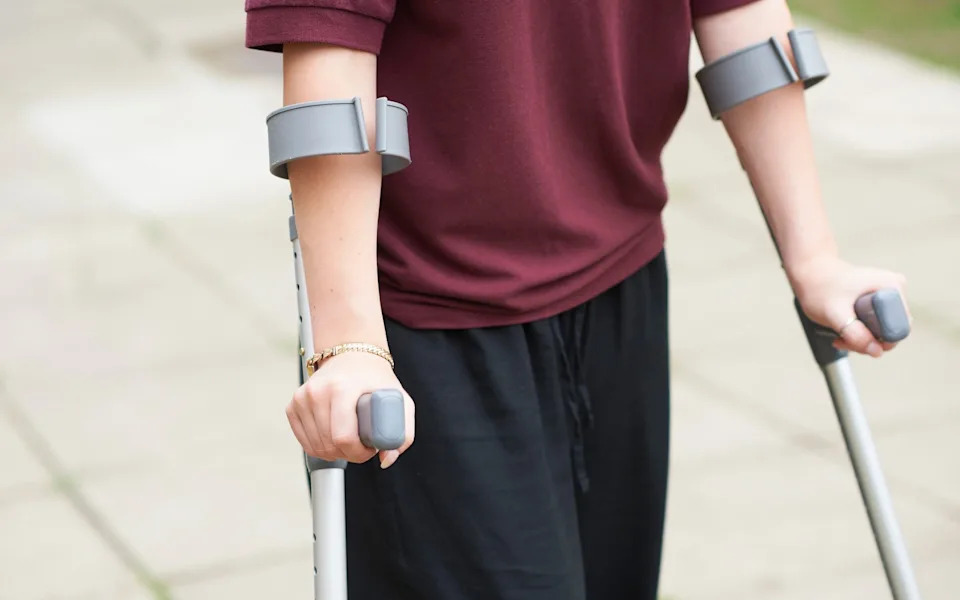
One Telegraph reader was told by his consultant that the hospital did not accept used crutches - Richard Drury
Why Crutches Go Unreturned
Multiple barriers have created a culture of single use. Common problems include:
- Confusion and bureaucracy over where and how to return equipment.
- Inconsistent local policies — neighbouring trusts can have very different approaches.
- Logistics and cost: collection and decontamination can be expensive, so trusts sometimes tell patients to dispose of items themselves.
- Design and commercial incentives: some devices are made with limited reusability in mind, which favours single-use models.
- Safety and liability concerns: worn or damaged crutches may be unsafe to reissue.
Financial, Environmental And Safety Consequences
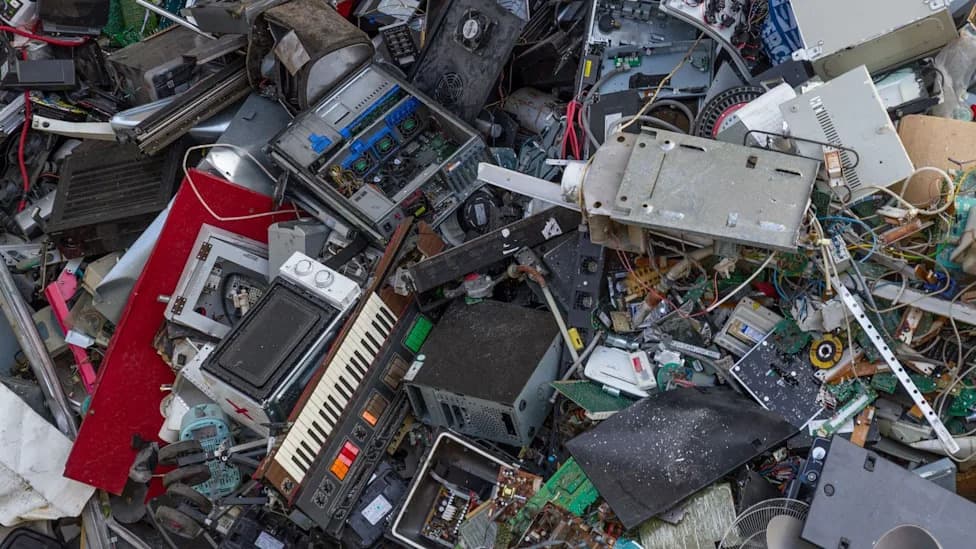
The result is avoidable spending and a growing waste problem. England generates roughly 156,000 tonnes of clinical waste annually, to which disposable medical devices contribute. Chris Naylor, senior fellow at the King's Fund, calls the scale of waste 'staggering' and notes that some manufacturers design devices in ways that make them hard to reuse. Jeremy Hollinshead, a former equipment loan store manager, remembers when aids were routinely returned, decontaminated and repaired. Over time, however, wear — such as worn ferrules and elongated adjustment holes — can render crutches unusable or unsafe, creating legitimate grounds for not reissuing some items.
Patient Stories And System Gaps
The practical effects are visible in public accounts: readers reporting that hospital staff dismissed returns as 'someone else's problem', others who were told the hospital would simply dispose of returned crutches, and photos on social media of skips overflowing with mobility aids. One person even sold unused equipment on eBay after being unable to find a return route.
In 2018 the then-Conservative government announced a mobility-aid reuse drive and highlighted a pilot at Mid Essex Hospital Services NHS Trust where 21% of crutches were returned. That pilot, however, was not rolled out nationally, so reuse activity remains patchy. In the past year a number of individual trusts have launched reuse schemes, but inconsistent policies across areas mean many usable aids still languish in homes.
Small Fixes, Big Potential
Simple changes could reduce waste and save money: clear national guidance on return points, better local collection systems, standardised decontamination and repair protocols, and clearer patient information. During lockdown Epworth rediscovered her long-unused crutches and listed them on a local Facebook group — after nearly 20 years they finally found a new home. 'Had there been an agreed process I would of course have taken them back,' she says. Without standardised systems, however, many useful aids will remain 'attic things' alongside seasonal decorations.
*Name changed
Help us improve.