The Emma neighborhood in Asheville installed a 46-kW rooftop solar array on a La Esperanza community center to cut bills and provide emergency power. The project — enabled by donations, local installers and financing partners — also added a 900-watt solar trailer to support connectivity, refrigeration and a well pump during outages. Custom porch mounts were developed so residents in manufactured homes can tap into solar power. Organizers call the combined approach a practical model for resilience in vulnerable communities.
Asheville’s Emma Neighborhood Installs 46 kW Community Solar System to Weather Future Blackouts
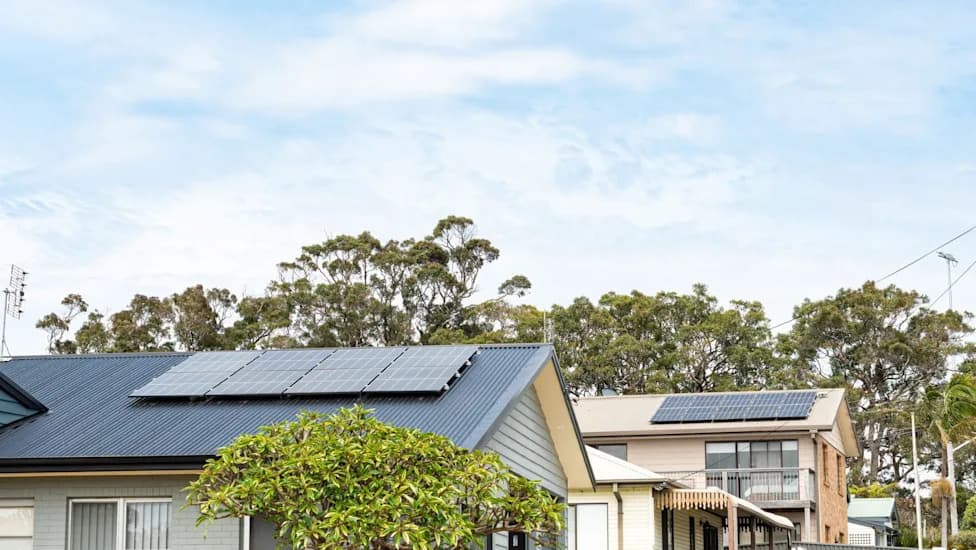
Photo Credit: iStock
Nearly two years after Hurricane Helene left much of Asheville, North Carolina, without reliable power and safe tap water, residents of the Emma neighborhood have completed a community solar project designed to keep essential services running during future outages.
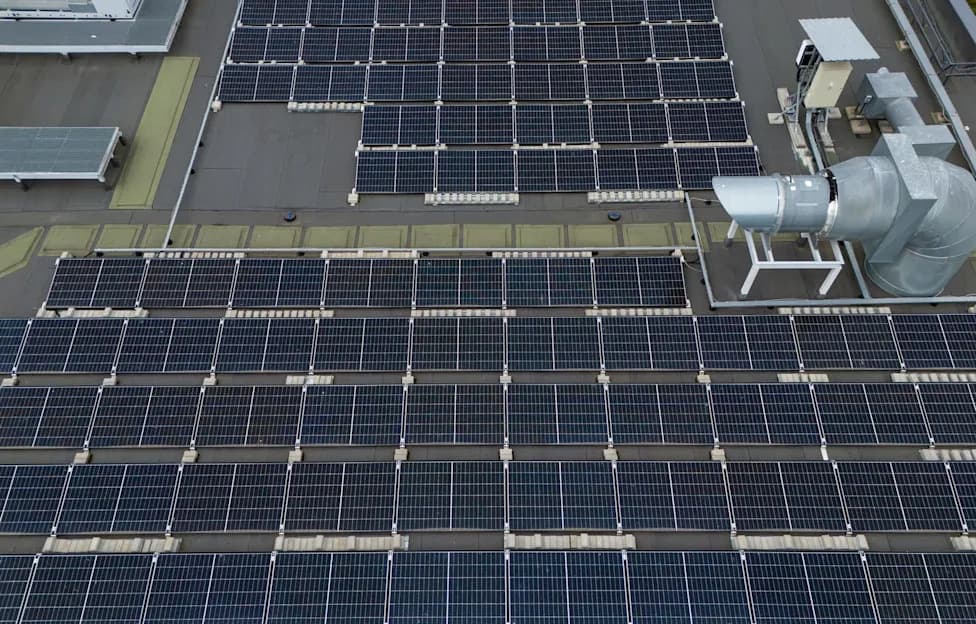
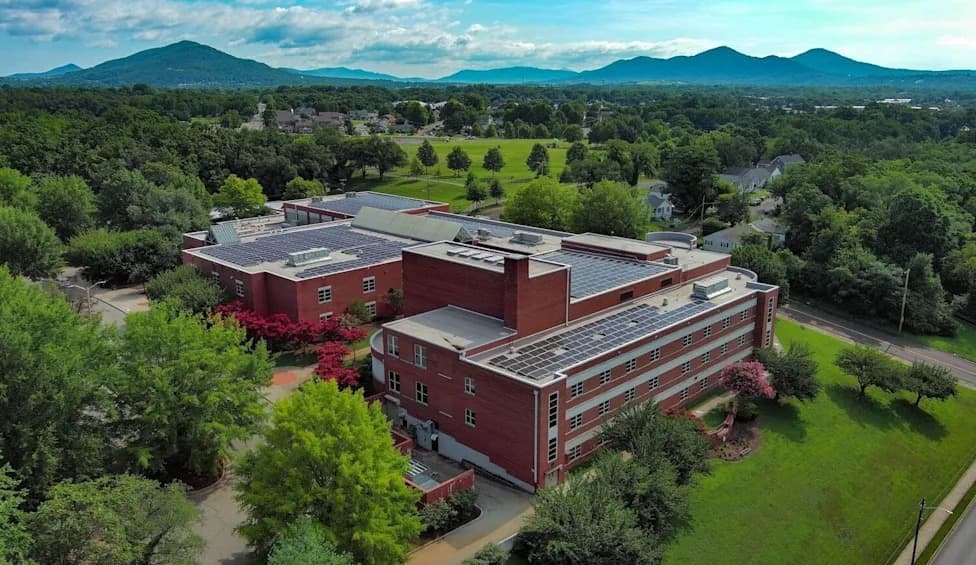
The project installed a 46-kilowatt rooftop array — more than 100 solar panels — on a La Esperanza–owned community and cultural center in Emma, a predominantly immigrant neighborhood northwest of downtown Asheville. The system is expected both to reduce the center’s electricity bills during normal operations and to serve as an emergency power source when the grid fails.
From Crisis to Community Momentum
Interest in local solar grew after Helene, when mobile solar charging stations proved crucial to recovery efforts. Ingrid Johnson, a project manager at Poder Emma, an organization that supports affordable housing and fights displacement, said the storm helped build new momentum for renewable energy in the neighborhood.
“Suddenly, there was an interest in solar where there hadn't been before,” said Johnson.
Partnerships and Practical Choices
The installation was made possible by a coalition of partners: Footprint Project donated panels, Sugar Hollow Solar completed the installation, and Invest Appalachia provided bridge financing to move the effort forward. Organizers balanced ambition with cost: a full conventional battery backup proved too expensive for the site, so the neighborhood added a portable solar trailer to provide targeted emergency services.
The trailer, with roughly 900 watts of solar capacity and a small battery, is intended to power vital needs during outages — connectivity equipment, refrigeration and a well pump to keep drinking water available. During Helene, storm damage to a water main left much of Asheville without safe tap water for almost two months, underscoring why water access is a priority.
Adapting Solar For Manufactured Homes
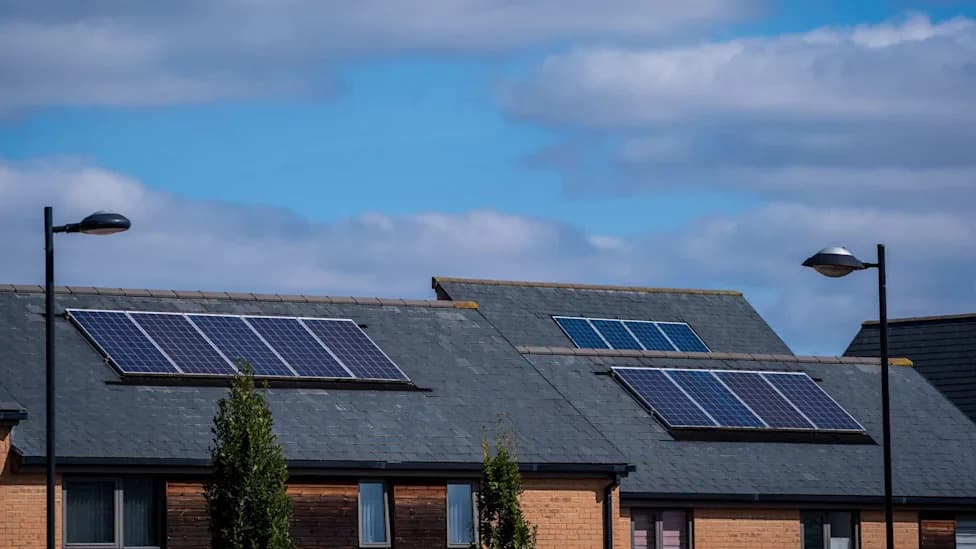
Many Emma households live in manufactured homes that are not structurally suited for rooftop panels. To expand access, organizers developed custom porch mounts that can carry solar equipment, enabling mobile-home residents to participate in the community energy effort. Clary Franko, COO of Sugar Hollow Solar, called the pilot a useful model for making solar accessible to residents of mobile homes.
“It’s a really great pilot project to understand how we can make solar available for mobile homes,” Franko said.
Everyday Benefits And Emergency Resilience
Beyond emergencies, the solar trailer is used daily by local crews to power drills and saws without overloading household circuits. Kelvin Bonilla, manager of Poder Emma’s home repair initiative, said the portable system increases neighborhood independence and resilience.
“Having the trailer allows us to be more independent and more resilient,” Bonilla said. “Powering the pump from the solar trailer adds an extra layer of resiliency.”
Leaders say the combined approach — shared rooftop arrays, portable solar assets and adapted mounts for manufactured homes — provides a practical, replicable model for communities that are often excluded from clean-energy upgrades yet face high vulnerability to extreme weather.
Resources
Community members exploring rooftop solar or battery options can consult resources such as EnergySage for competitive installation estimates and local incentives. These tools can help homeowners compare quotes and identify financing or rebate opportunities that reduce upfront cost barriers.
Help us improve.