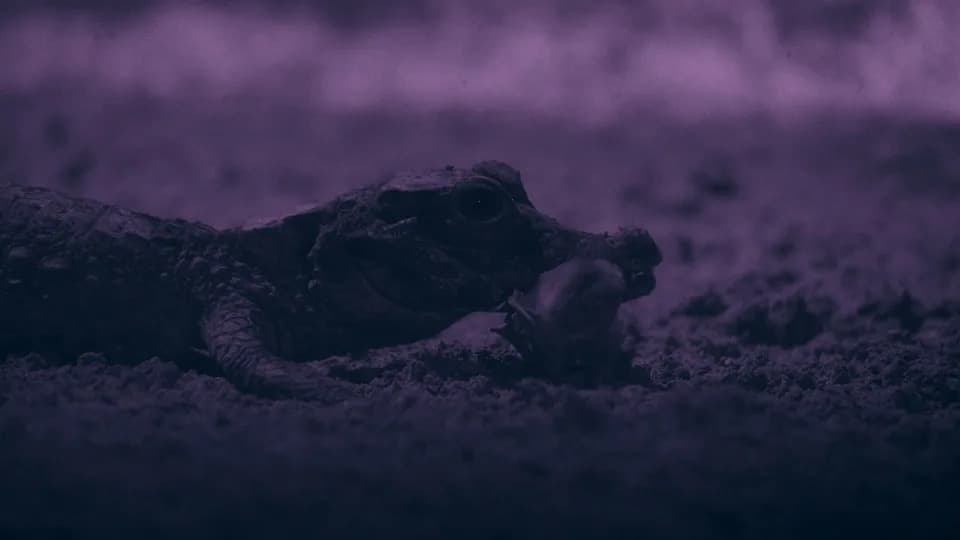
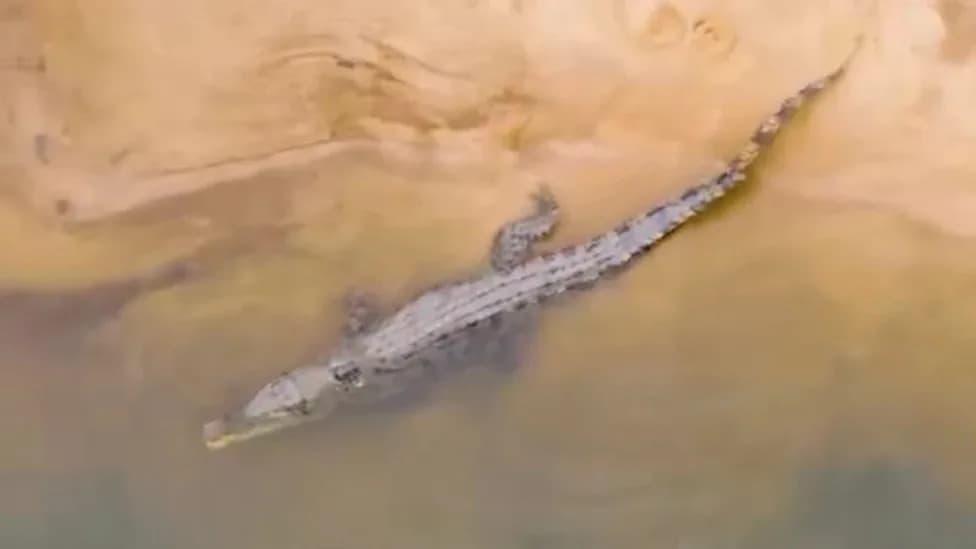
Footage from the Mentawai Islands shows a large crocodile moving through the estuary beside the famed Macaronis surf break while top World Surf League pros paddled nearby. The clip, filmed by Scotty Hammonds, drew comments from Kelly Slater and Mick Fanning and follows an April drone sighting of a suspected 10-foot crocodile. Indonesia has reported roughly 1,100 human–crocodile attacks and 500+ deaths in the last decade; experts say mangrove and wetland loss is driving more dangerous encounters. Protecting coastal habitats can reduce—but not eliminate—risk.
Huge Crocodile Filmed Beside Iconic Macaronis Surf Break as Top Pros Paddle Nearby
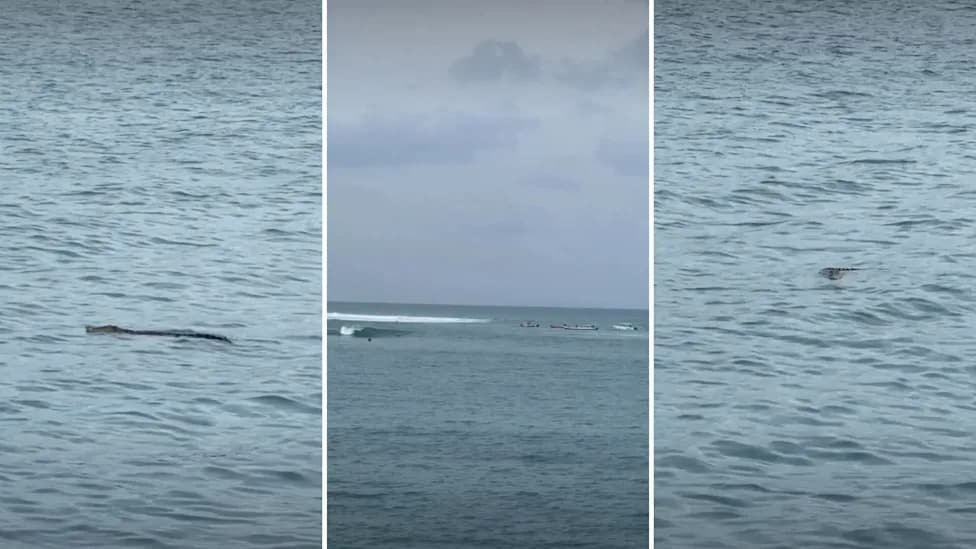
Photo Credit: TikTok
A large crocodile was filmed moving through the estuary beside the famed Macaronis surf break in Indonesia's Mentawai Islands while top World Surf League competitors rode waves nearby. The footage, captured from a boat by surf filmer Scotty Hammonds (@hampositive), surfaced online and drew reactions from some of the sport's biggest names.
The clip was taken during a strike trip between Championship Tour stops with Jack Robinson, Leonardo Fioravanti and Kanoa Igarashi in the water close to the animal when it passed through the estuary. The sighting highlights an unsettling overlap between a popular surfing playground and crocodile habitat.
Reactions From the Surfing World
Kelly Slater: "It's there all the time in the estuary near Macca's Resort."
Mick Fanning: "No thank you."
Earlier this year a similar encounter was recorded. In April, charter-boat captain and longtime Mentawai explorer Martin Daly used a drone to film what he believed was a saltwater crocodile of roughly 10 feet in the same area.
Safety and Conservation Context
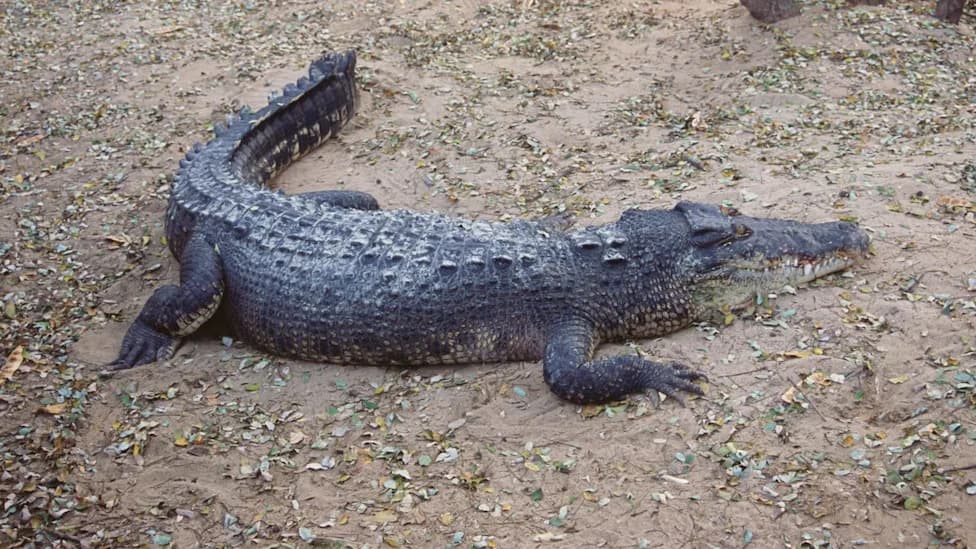
The presence of a large crocodile at a marquee surf destination is a clear safety concern. Saltwater crocodiles (Crocodylus porosus) are ambush predators that can strike suddenly in shallow water and around river mouths. According to reporting by Surfer, Indonesia has recorded more than 1,100 human–crocodile attacks and over 500 deaths in the past decade — the highest level of human–crocodile conflict globally.
Experts link rising encounters to habitat loss: damage to mangrove estuaries and wetlands from coastal development can push crocodiles out of their natural ranges and into areas where people surf, fish, and travel. As human activity extends into wildlife habitat, the chance of dangerous interactions naturally increases.
Repeat sightings near Macaronis are prompting surfers, charter operators and resort staff to treat crocodiles as a recurring hazard, especially around estuaries where freshwater meets the ocean. Protecting mangroves and wetlands can help reduce these encounters by providing healthier ecosystems for crocodiles away from crowded recreation zones. While habitat conservation won't eliminate risk, it can ease the pressures that bring people and apex predators into closer contact.
Help us improve.