Philippine authorities prevented three containers declared as scrap copper from being unloaded at Subic on July 22 after environmental groups warned they could be U.S. electronic waste. The containers remained on board the MV Tokyo Express until it left for Nansha, China. Campaigners allege 234 suspected e‑waste containers and one plastic container arrived at Subic between March 2025 and June 2026 without required Prior Informed Consent. Agencies and NGOs have convened to verify the shipments and draft position papers while SBMA defends regulated "urban mining" recycling at the free port.
Philippines Holds Three Suspected U.S. E‑Waste Containers at Subic as Campaigners Allege 234 Shipments
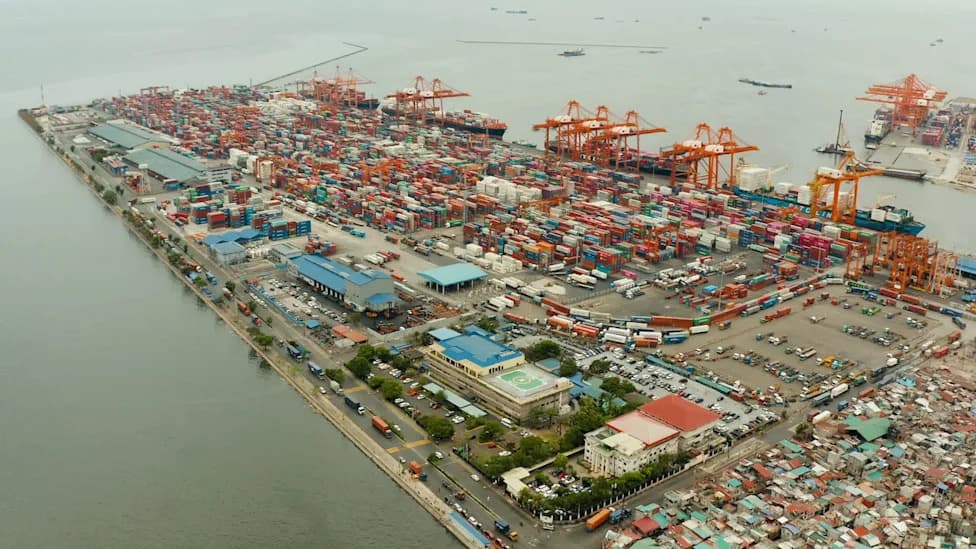
Photo Credit: iStock
Philippine authorities prevented three container vans suspected of carrying electronic waste from being unloaded at the Subic free port after environmental campaigners raised alarms about similar consignments from the United States.
What Happened
The Bureau of Customs reported that three containers declared as scrap copper arrived at Subic on 22 July aboard the MV Tokyo Express. Subic District Collector Geniefelle Lagmay ordered the cargo placed on a "retain on board" status while officials verified the shipment's contents and paperwork. The containers were never admitted into the port's customs territory; the vessel later sailed toward Nansha, China, the Philippine Coast Guard said.
Allegations and Legal Concerns
Environmental groups — notably the Basel Action Network (BAN) and BAN Toxics, working through the Task Force Against Illegal E‑Waste Imports to the Philippines — have alleged that 234 containers of suspected electronic waste and one container of plastic waste originating from the United States reached the Subic free port between March 2025 and June 2026. The groups say these shipments were not handled under the required Prior Informed Consent procedures.
Officials flagged the shipper's origin because the United States is not a party to the Basel Convention, the international treaty that regulates transboundary movements of hazardous waste and establishes consent procedures for such shipments.
Government Response and Next Steps
The Bureau of Customs convened an interagency meeting that included the Subic Bay Metropolitan Authority (SBMA), the Department of Environment and Natural Resources’ Environmental Management Bureau (DENR‑EMB), the departments of Justice and Foreign Affairs, the Office of the Solicitor General, and representatives of environmental groups. The task force and agencies were asked to prepare position papers while investigations and discussions continued.
SBMA defended recycling activity at the free port as part of a circular economy approach, describing "urban mining" operations and noting that imported materials are subject to inspection, laboratory testing and post‑entry monitoring.
Broader Context
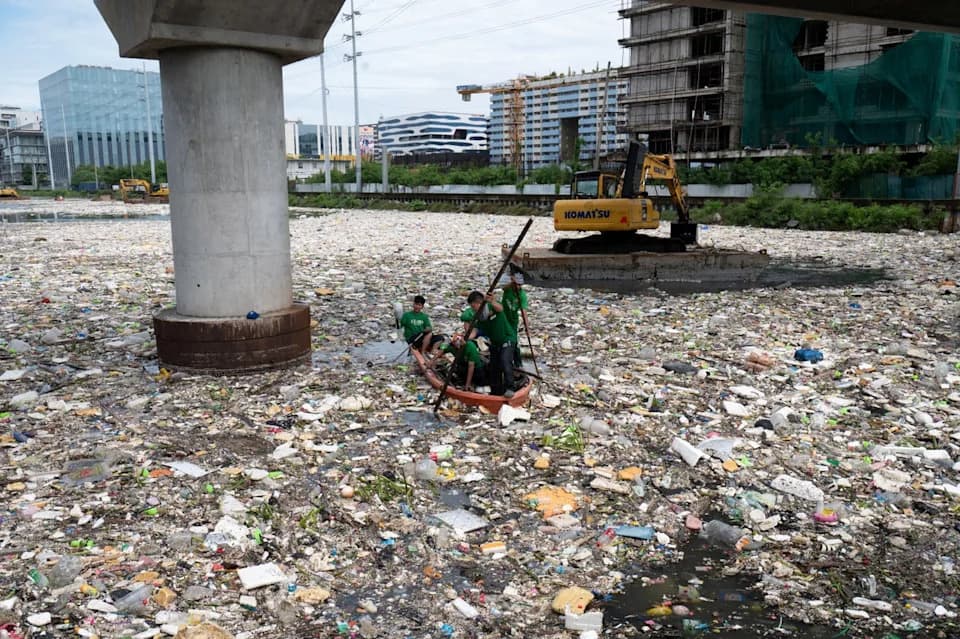
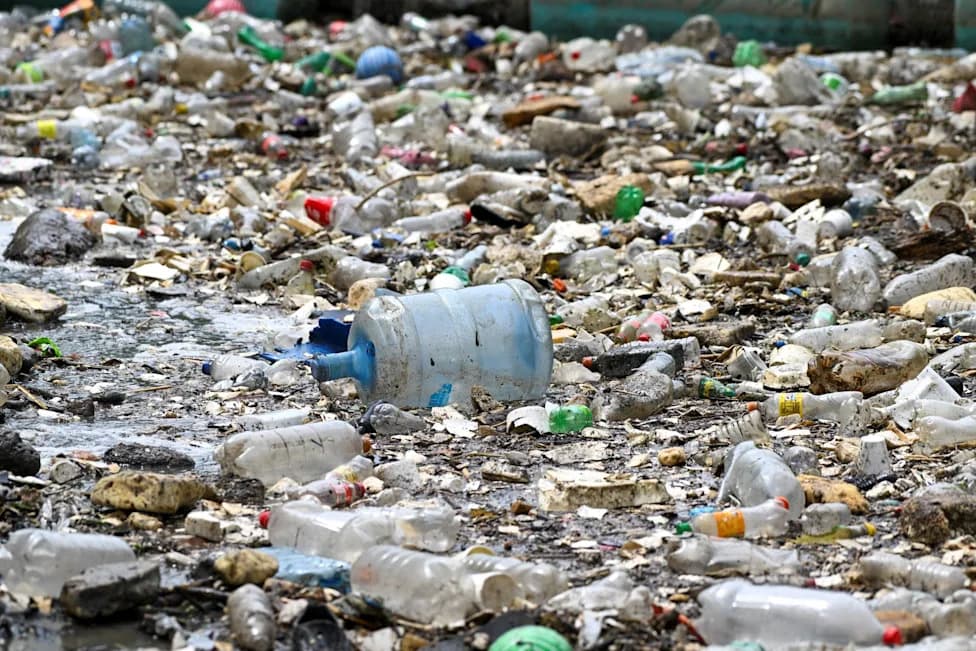
E‑waste is among the fastest‑growing waste streams worldwide. When processed improperly, discarded electronics can expose workers and local communities to toxic substances and create persistent contamination risks for air, soil and water. The dispute at Subic highlights tensions in the global waste economy: valuable recoverable materials exist in electronics, but weak oversight can turn ports and facilities into de facto dumping grounds for unwanted hazardous waste.
Current status: The three containers were kept on board until verification was completed and the vessel departed Subic; further inquiries and position papers are ongoing.
Help us improve.