Turning Point Scotland says two Glasgow addiction services it runs face possible closure after Glasgow City Property proposed steep cost increases, including a proposed doubling of the crisis centre rent from £65,000 to £131,000. The charity cites a recent £806,000 dilapidation bill and rising demand — 3,650 referrals in three years — as driving unsustainable liabilities. Officials have urged local talks and suggested independent mediation to protect services that offer 24/7 crisis care and residential stabilisation.
Turning Point Scotland Warns Glasgow Crisis Centre Could Close After Rent Doubles
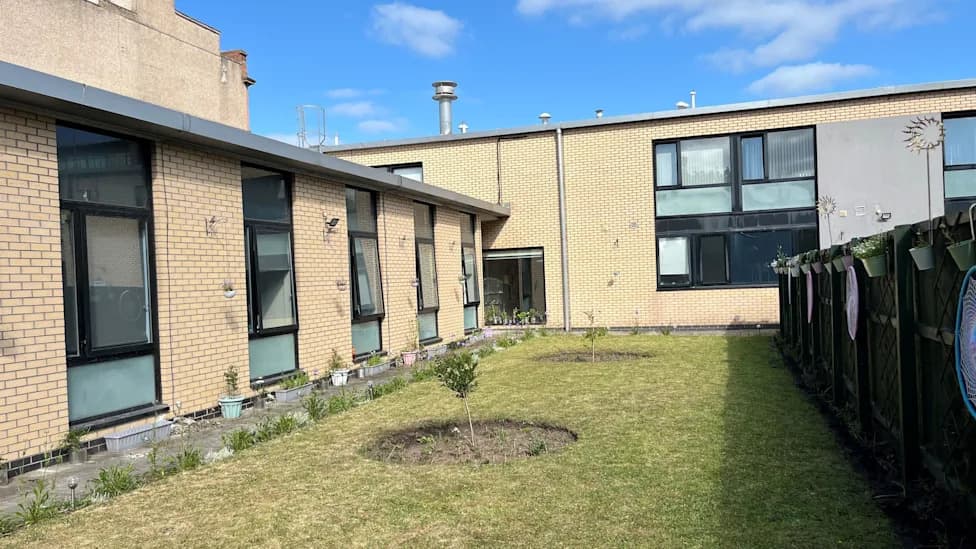
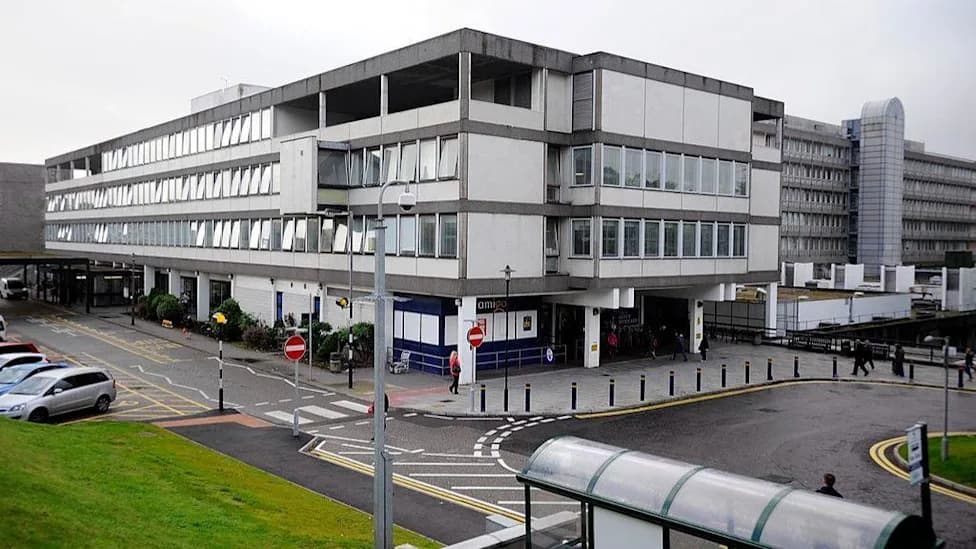
Turning Point runs Scotland's only crisis centre for drug and alcohol addiction [BBC]
Turning Point Scotland has warned that two vital Glasgow addiction services it operates on behalf of the city council could be forced to close after a dispute with council-owned landlord Glasgow City Property over sharply increased charges.
What’s at stake: The charity says a proposed rent increase would double the annual rent for its 24-hour Glasgow Alcohol and Drug Crisis Service from £65,000 to £131,000. Alongside a recent unexpected £806,000 dilapidation bill following the closure of a separate residential unit, Turning Point says these costs have created "enormous financial liabilities" that threaten the services’ sustainability.
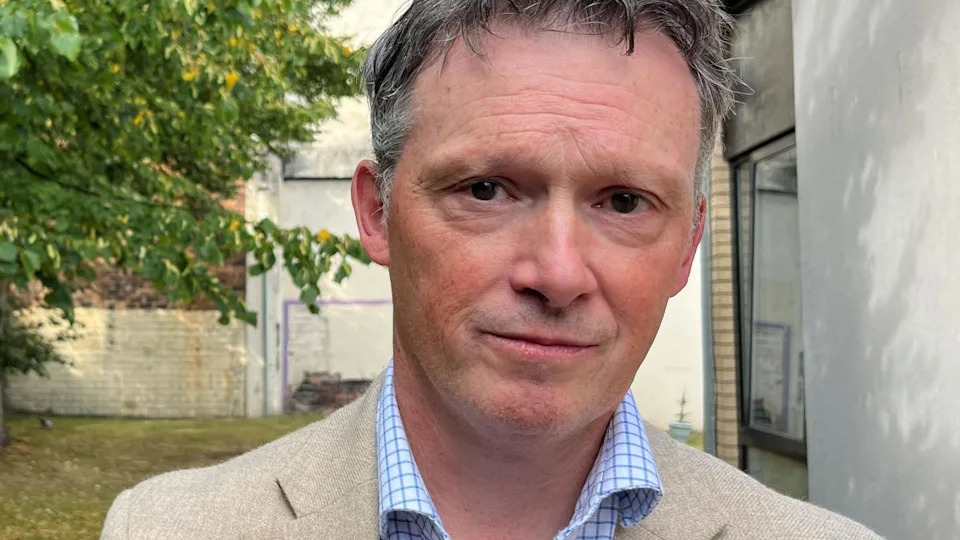
Turning Point Scotland chief executive Neil Richardson said he had not seen such "commercially aggressive behaviour" before [BBC]
Services Under Threat
Turning Point runs two adjoining services in Tradeston: a 24-hour crisis centre offering urgent, life-saving support, and a 16-bed residential unit for stabilisation and onward rehabilitation. Together they received 3,650 referrals over the past three years, with demand rising in the last 12 months.
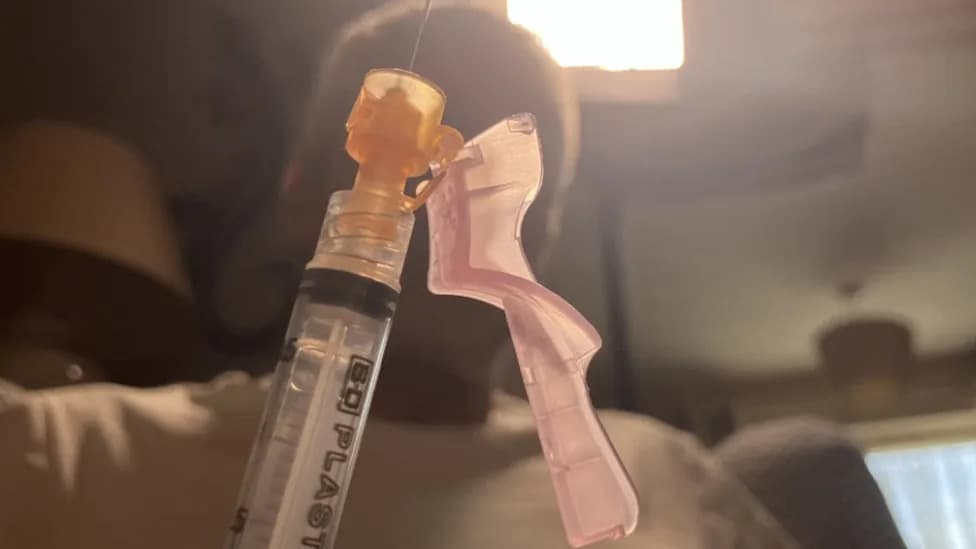
The crisis centre provides a safe needle exchange, wound care, intensive one-to-one support, group sessions and on-site facilities including sensory rooms, communal areas and a garden.
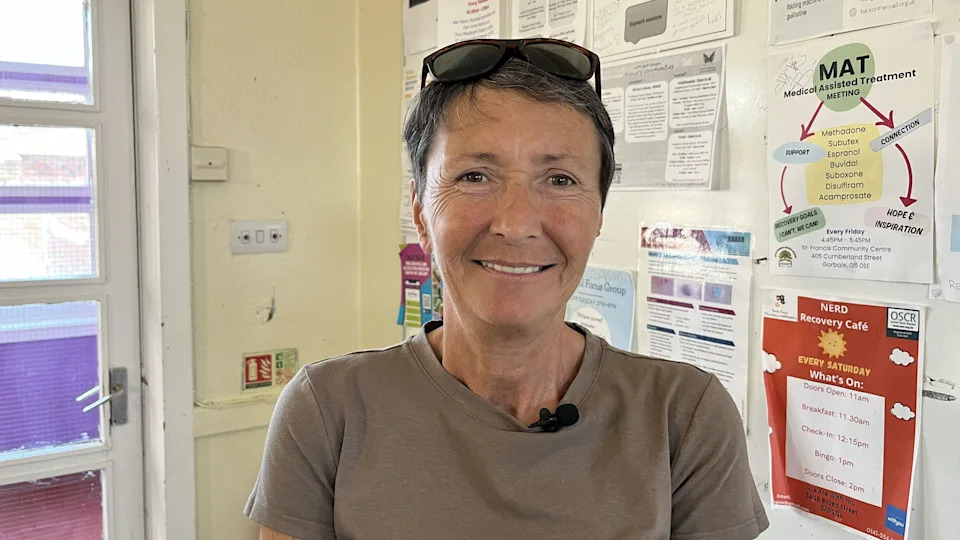
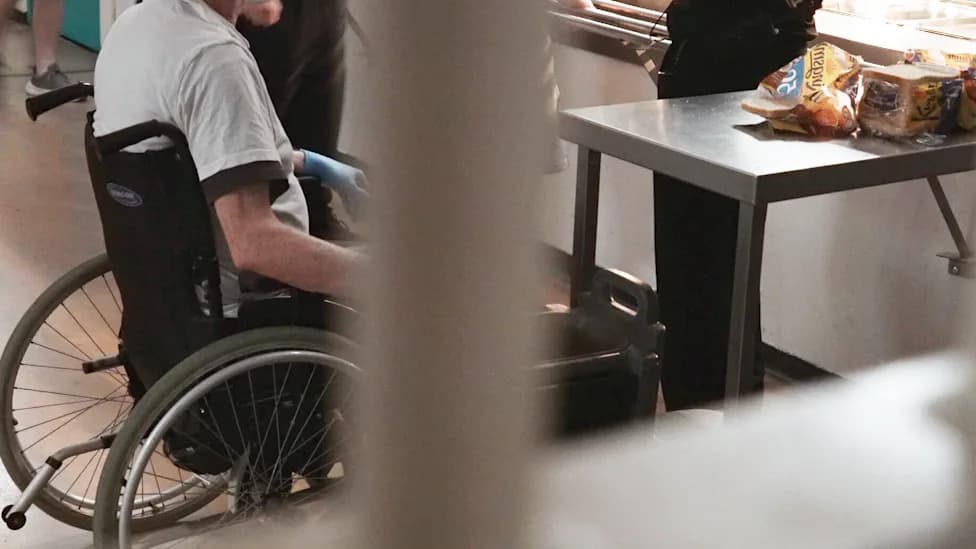
Rona says she was addicted to drugs for 40 years before entering Turning Point last year [BBC]
Positions And Response
Glasgow City Property said lease details are commercially sensitive and declined to discuss terms, but confirmed it is in regular discussions with Turning Point to seek workable solutions. Turning Point’s CEO Neil Richardson described the landlord’s approach as "commercially aggressive" and warned the charity may begin formal staff consultations about closing the services if a compromise is not reached.
"If that treatment is jeopardised... then it's putting lives at risk and frankly that is something we cannot tolerate," Richardson said.
Human Impact
Service users and former residents shared testimony of the centres' life-changing impact: Rena, a volunteer who spent decades struggling with addiction, said the service saved her life; Gerry, who spent six weeks in the residential unit before moving on to rehab, warned closures would increase drug deaths in Glasgow.
Political Reaction
Health Secretary Angela Constance said she was "very concerned" and noted the matter is a local dispute. She confirmed that the Minister for Public Health has written to Glasgow City Council urging all parties to resolve the issue and suggested independent mediation. Glasgow’s Health and Social Care Partnership said it continues to meet with Turning Point to find a resolution that preserves services.
Context: Scotland has the highest rate of drug-related deaths in Europe, and Glasgow records the worst figures in the country, making the continuity of frontline addiction services a public health priority.
Help us improve.