A transmissible melanoma has been documented in brown bullhead catfish in Lake Memphremagog, marking the first freshwater fish example and the fourth transmissible cancer lineage known. First reported by anglers in 2012, visible tumours spread to an estimated 25–40% of fish in parts of the lake within a few years. Genetic tests show tumour cells carry mutations absent from host fish, indicating the cancers move between individuals, and researchers are using angler-sourced photos to help map the outbreak.
Contagious Melanoma Sweeps Bullhead Catfish — Up To 40% Infected In Lake Memphremagog
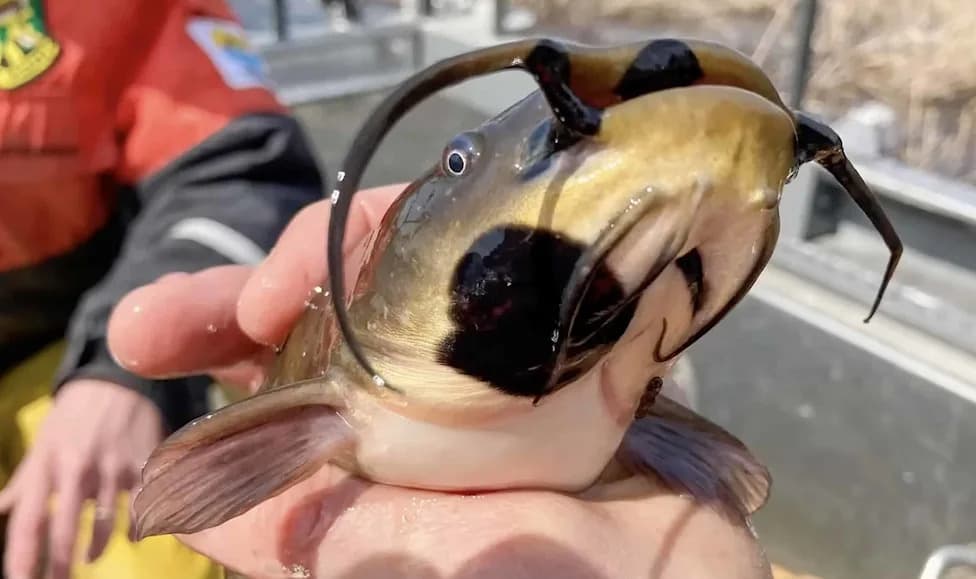
© YouTube/CTVYourMorning
Researchers have identified a transmissible melanoma affecting brown bullhead catfish in Lake Memphremagog, the first confirmed case of a contagious cancer in freshwater fish and the fourth transmissible cancer lineage known to science.
Discovery And Spread
Anglers and biologists first reported bullheads with raised black smears in 2012. What initially looked like tar or mud was later shown to be tumours. Within a few years the lesions became common: by about 2015 an estimated 25 to 40 percent of bullheads in parts of the lake displayed visible growths. A 2017 resurvey found tumours at four sites along the lake, which stretches more than 25 miles.

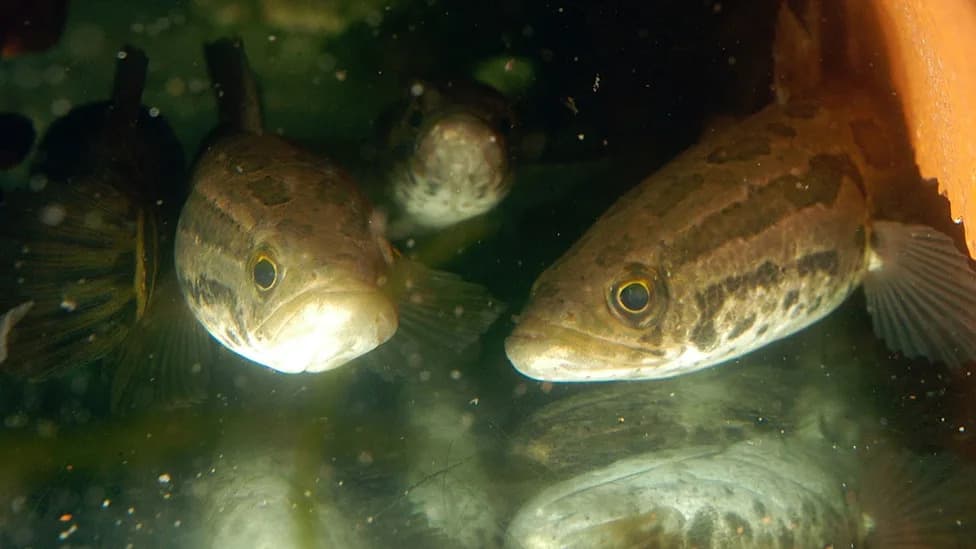
A contagious form of melanoma is spreading between brown bullhead catfish in Vermont's Lake Memphremagog.©JFGagnonPhoto/Shutterstock.com
What Researchers Found
Genetic sequencing of tumour tissue at the University of Vermont revealed a striking pattern: the tumours carry hundreds of thousands of mutations that are absent from the host fish. That indicates the tumour cells themselves are the infectious agent, moving from fish to fish rather than arising independently in each animal. This pattern places the disease among a small group of known transmissible cancers, alongside canine transmissible venereal tumour, two lineages in Tasmanian devils, and several cancers in marine bivalves.
It is not driven by a bacterium or a virus, but by the tumour cells themselves spreading between fish, according to the research team.
Effects On Fish And Ecology
The black growths can appear anywhere on the body, including inside the mouth and on the barbels bullheads use to find food. Affected barbels can become shortened, which impairs feeding and may alter behavior and survival in the wild. Despite these handicaps, infected bullheads are not uniformly fatal carriers: many fish live for years while bearing tumours.
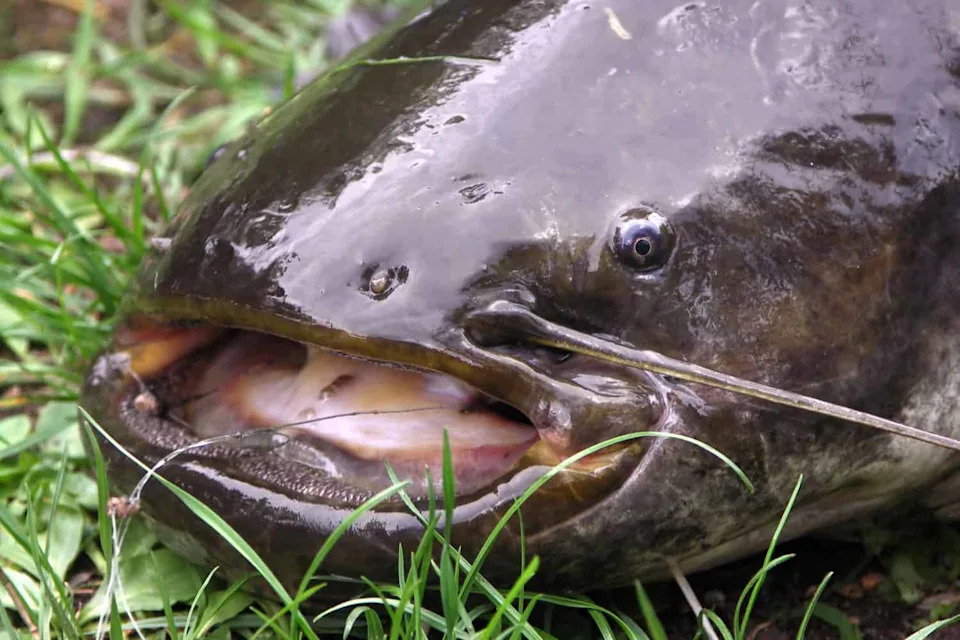
While the tumours affecting Memphremagog's catfish are related to bullheads found across the northeast, only those in the Vermont lake show signs of infection.©Beneda Miroslav/Shutterstock.com
How It Might Have Moved And How Scientists Are Tracking It
Although tumour cells are genetically similar to bullhead populations across the northeastern US and Canada, active infections currently appear concentrated in Lake Memphremagog. That geographic mismatch raises the possibility of human-mediated movement or local conditions that favor transmission. To improve detection and mapping, researchers are using the angler app Fishbrain to crowdsource photos of catches and identify additional sites where the disease may occur.
Management And Next Steps
Management options remain unsettled. Some scientists recommend careful observation to see how populations respond, while others urge revisiting biosecurity and invasive-species rules for Memphremagog to limit potential human-assisted spread. Ongoing monitoring, broader surveys, and further genetic research will be essential to understand origins, transmission routes, and ecological impacts.
Why This Matters: The discovery expands the known host range for transmissible cancers and raises new questions about how such cancers originate and persist in wild animal populations.
Help us improve.