The Middle East is undergoing a messy realignment as pressure on Iran opens space for Sunni coordination. The R4 grouping (Pakistan, Turkey, Egypt, Saudi Arabia) offers a potential Sunni security arc, but leadership rivalry between Ankara and Riyadh complicates cohesion. Iraq's anti-corruption drive and Turkey's growing influence in Syria and Iraq are eroding Tehran's reach, while the Houthis continue to threaten oil chokepoints like Bab el-Mandeb. Despite economic and diplomatic strain, Iran shows little sign of immediate capitulation, and Erdogan's regional gains are tempered by domestic political limits.
Erdogan and a Sunni Pact: Can Ankara Eclipse Iran in the Middle East?
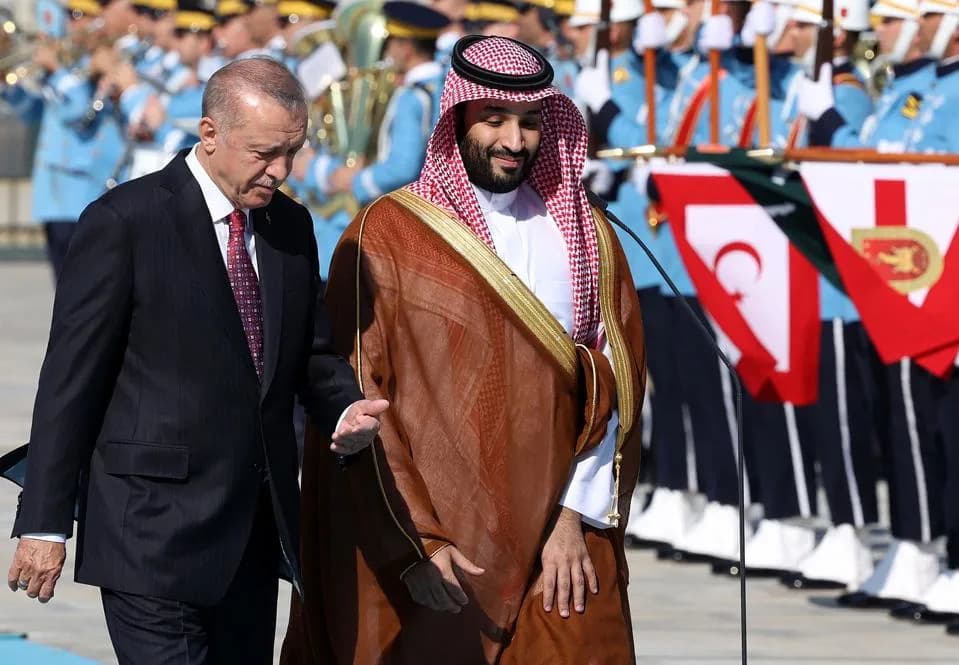
Turkey's President Recep Tayyip Erdogan (L) gestures as he welcomes Crown Prince of Saudi Arabia Mohammed bin Salman (R) (Photo by Adem ALTAN / AFP) (Photo by ADEM ALTAN/AFP via Getty Images)AFP via Getty Images
The Middle East is convulsing with unpredictable clashes and no clear end in sight, prompting renewed questions about how the regional balance of power will settle. Recent diplomatic moves — including a contested U.S. offer of nuclear cooperation to Saudi Arabia and a security pact among Sunni states — have intensified debate over who will fill any vacuum left by a weakened Iran.
R4 And The Sunni Realignment
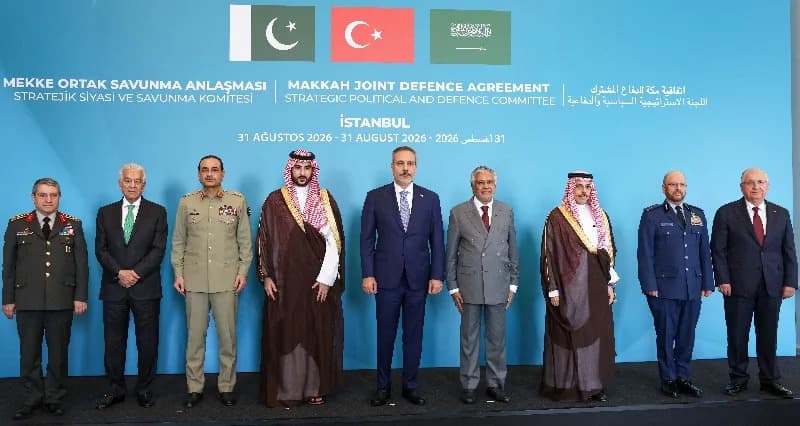
Early this year a diplomatic-security arrangement dubbed the "R4" (Pakistan, Turkey, Egypt and Saudi Arabia) was put forward as the backbone of a Sunni security arc intended to counterbalance Tehran's influence. Pakistan's participation raised concerns about the potential transfer of nuclear know-how to Riyadh, prompting Washington to propose an American alternative. That U.S. offer subsequently faltered after public changes in conditions, and Saudi access to foreign nuclear technology remains contested.
Who Leads The Sunni World?
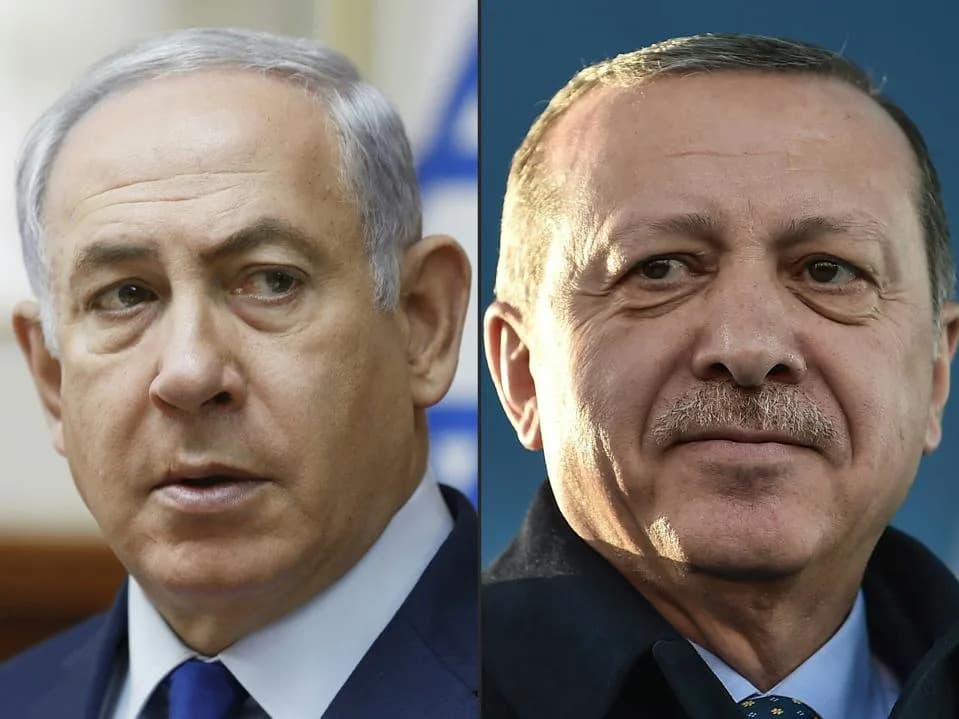
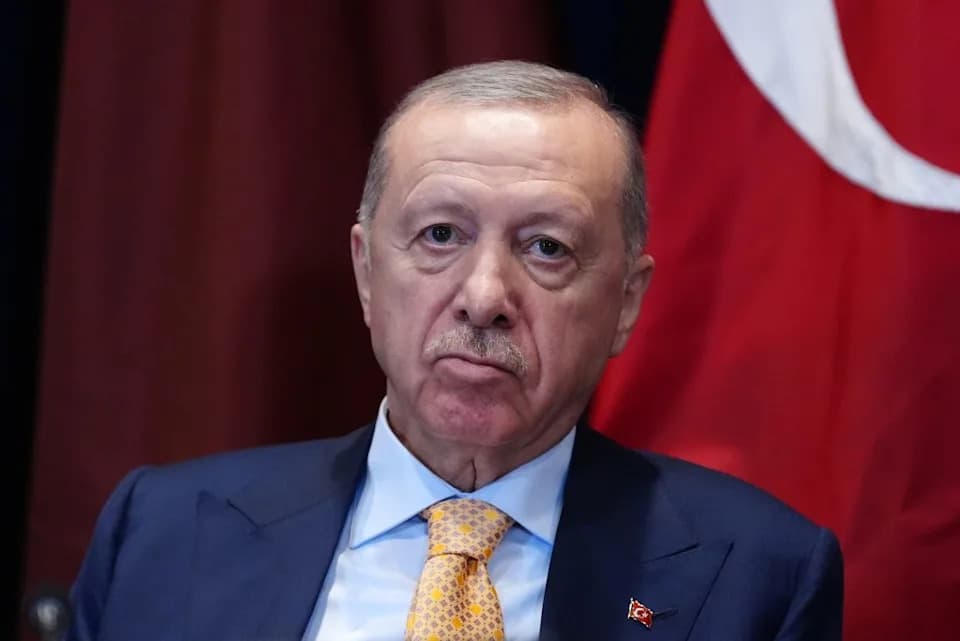
Riyadh and Ankara are not natural co-leaders. President Recep Tayyip Erdogan projects a neo-Ottoman vision that places Turkey at the center of a Sunni sphere stretching south into the Arabian Peninsula and north into Central Asia. Saudi Arabia, by contrast, claims leadership rooted in its custodianship of Islam's holy sites. This rivalry complicates efforts to convert Sunni coordination into unified leadership.
Geography, Trade And The 'Stans'
Notably absent from R4 are the Central Asian and Turkic republics. Despite shared Sunni faith and historical ties, these countries prioritize stability and trade: proximity to Afghanistan, ties with India and Israel (notably Azerbaijan), and concern about religiously driven unrest make them reluctant to become entangled in Middle East power politics. Their commercial orientation — including hedging between China and India — keeps them on the sidelines.
Iraq, Syria And The Battle For Influence
Turkey has expanded its footprint in Syria and is quietly courting tribal and Kurdish actors in Iraq to reduce Iran's patronage networks. Baghdad's new prime minister has launched a high-profile anti-corruption campaign that has already resulted in asset seizures exceeding $100 million. A recent White House meeting with Iraq's leader and attacks on U.S. bases by pro-Iran militias underscore how Baghdad's orientation may shift — but any realignment will be uneven and fraught with violence.
Limits, Rivalries And Deterrents
Direct war between Turkey and Iran is unlikely: both have incentives to prevent Kurdish separatism from spilling across borders. Still, diplomatic, economic and proxy rivalry will persist. Turkey's support for Hamas and other Islamist actors has alarmed Israel, which has responded by strengthening ties with Kurdish groups and deepening defence cooperation with Greece and the Greek Cypriot authorities. At the same time Turkey's NATO membership and domestic politics in Greece constrain the speed and scope of anti-Turkish alignment.
Why Iran Is Not Backing Down
Despite sustained pressure, Tehran shows little appetite for dramatic concessions. Contributing factors include internal factional dynamics, belief in U.S. political vulnerabilities, regional ambition, long-standing distrust of the United States and Israel, and continued backing from Russia and China. Even as economic leverage weakens, ideological and strategic calculations make Iran reluctant to concede its regional role.
Outlook
Erdogan stands to gain influence as the regional balance shifts, but his long-term grip has limits. At 72, with reported health issues, high inflation and economic strains at home, Erdogan faces domestic constraints and uncertain succession dynamics. Turkey may benefit from new energy transit links and increased regional clout — and it is simultaneously tilting toward deeper economic and strategic ties with China — but those gains may not guarantee Erdogan's personal political longevity.
Bottom line: A Sunni realignment centered on Ankara and like-minded partners is plausible and already perceptible in places such as Syria and Iraq, but leadership frictions, regional sensitivities and competing global influences will shape a protracted and messy contest with Iran rather than a neat, rapid replacement.
Help us improve.