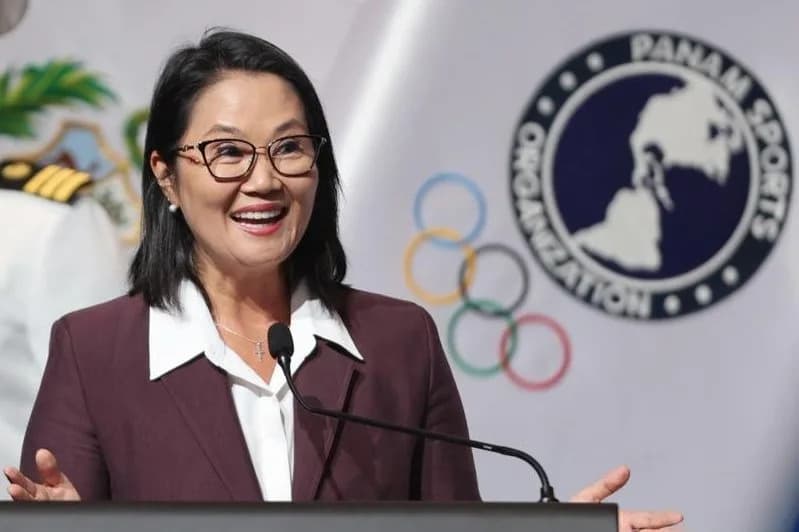
Keiko Fujimori was sworn in as Peru’s president after a narrow runoff victory, promising a tough crackdown on crime and preparations for a potentially severe El Niño. Her inauguration revived the polarizing legacy of her father, Alberto Fujimori, convicted of corruption and human rights abuses. While her Fuerza Popular party is the largest in Congress, it lacks an outright majority, and victims' families and leftist lawmakers have protested, fearing a return to past abuses.
Keiko Fujimori Sworn In as Peru’s President, Pledges Tough Crackdown on Crime
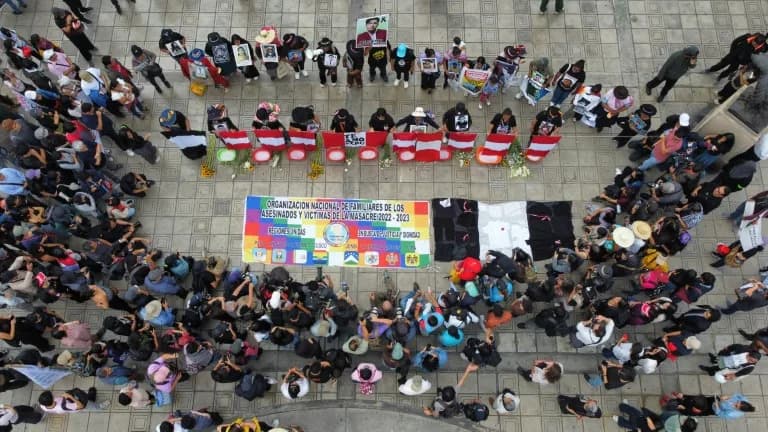
Peruvian families of state violence victims say they reject President Keiko Fujimori as their leader (Anthony Nino de Guzman)
Keiko Fujimori was inaugurated on Tuesday as Peru’s president, pledging to confront a rising wave of crime and to prepare the country for an intense El Niño weather event. Her victory in June's runoff came by fewer than 50,000 votes after three previous unsuccessful bids for the presidency.
Inauguration and Reactions
Before Congress, Fujimori declared:
"I swear ... that I will faithfully carry out the duties of president of the republic."The ceremony prompted a walkout by several leftist lawmakers in protest and drew regional leaders including Argentina's Javier Milei, Chile's Jose Antonio Kast, Bolivia's Rodrigo Paz, Ecuador's Daniel Noboa and Uruguay's Yamandu Orsi.
Security Agenda and Proposals
The 51-year-old campaigned on hardline security measures amid what analysts describe as Peru's most serious security crisis in decades. Criminal networks—both local and foreign—have been blamed for contract killings, extortion and other organized crime that have worsened public insecurity.
Her proposed measures to tackle crime include expelling undocumented migrants involved in criminal activity, creating courts that can use anonymous judges for certain cases, and requiring some prisoners to work for their food. Supporters say these steps will restore order; critics warn they could lead to abuses.
Legacy and Political Context
Fujimori’s campaign was inevitably tied to the polarizing legacy of her father, Alberto Fujimori, who ruled in the 1990s and was later jailed after convictions for corruption and crimes against humanity related to his counterterrorism policies. Opponents and families of victims fear a return to repressive tactics, while many supporters prioritize security and stability.
Congress and Governing Prospects
Fuerza Popular, Fujimori's party, remains the largest caucus in Congress, but it lacks an outright majority to pass all of her initiatives unilaterally. She will serve until 2031, capping a decade of political instability in which eight leaders cycled through the presidency—many removed or forced out amid clashes with Congress.
Voices on the Street
Public reaction is divided. Cesar Fuentes, an 80-year-old retiree, warned:
"She is going to be a replica of her father."By contrast, 68-year-old housewife Nelly Vega said she hopes Fujimori "is going to lead us to something better," reflecting the desire among many citizens for decisive action against crime.
Calls for Justice
Families of victims have held vigils and vowed to reject policies they see as a return to past abuses. More than 100 people gathered in the capital to demand accountability and justice for crimes attributed to the previous Fujimori-era administration. Marly Anzualdo, who is still searching for her disappeared brother Kenneth, said:
"For so many years we have been fighting for justice to be done, and we know how they operate."
Reporting credits: bur-ljc/gta/cc/pnb
Help us improve.