At Atlanta’s Hartsfield-Jackson airport in January 2025, CBP agents say a passcode entered into Samuel Tunick’s Google Pixel triggered an irreversible wipe; Tunick was charged under 18 U.S.C. § 2232(a), a statute aimed at destruction of evidence. The phone reportedly ran GrapheneOS, whose optional duress PIN destroys cryptographic keys and all data without warning while appearing to be a normal unlock. Tunick has pleaded not guilty; his defense argues the search was unlawful and that prosecutors lack proof the wipe destroyed criminal evidence. The court’s decision could set a national precedent, potentially exposing common auto-wipe and privacy features to federal prosecution.
Duress PIN On Trial: Could a 'Silent Kill Switch' Become a Federal Evidence-Destruction Crime?
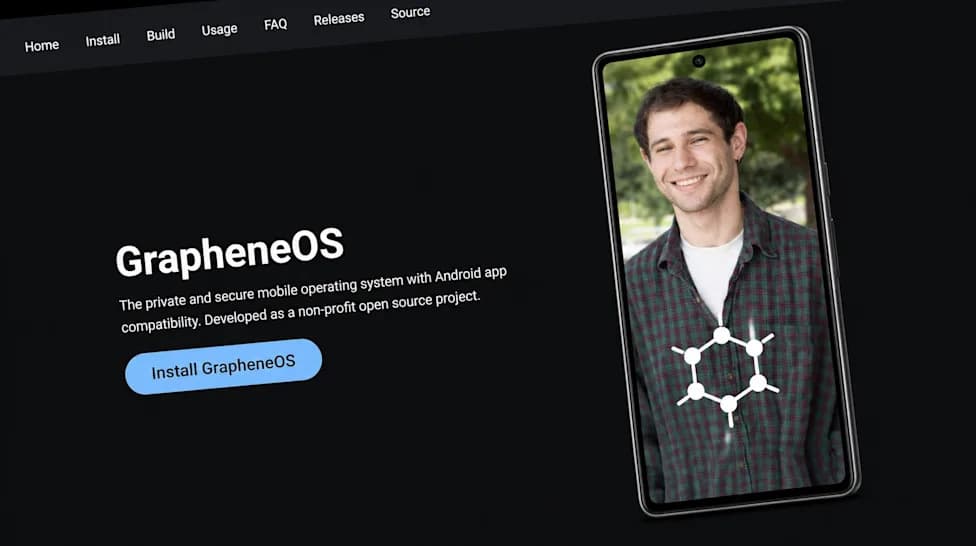
Image: GrapheneOS and Samuel Tunick | Gadget Review
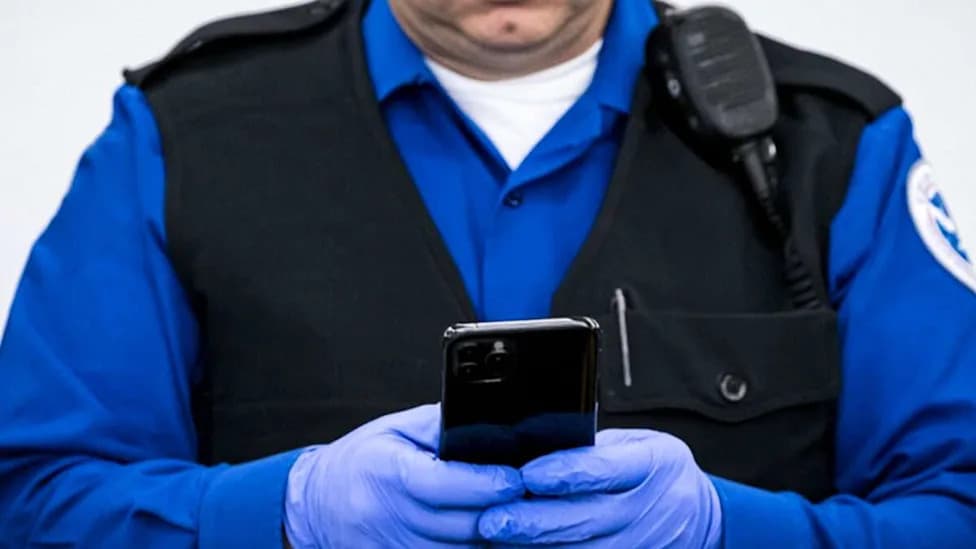
At Atlanta’s Hartsfield-Jackson airport in January 2025, U.S. Customs and Border Protection agents say a passcode entered into Samuel Tunick’s Google Pixel triggered a complete, irreversible wipe. Tunick, a Stop Cop City activist returning to the U.S., allegedly provided a duress PIN; prosecutors now say that action led to federal charges under a statute aimed at destruction of evidence.
What the Feature Does
GrapheneOS, the privacy-hardened operating system the phone reportedly ran, offers an optional "duress PIN" that is designed to look like an ordinary unlock. When triggered at the lock screen or any credential prompt, the secondary passcode causes an immediate, irreversible wipe: the cryptographic keys protecting the device’s encrypted data are destroyed, making file recovery effectively impossible. There is no confirmation prompt or countdown — from outside the device the attempt appears identical to a normal unlock.
Timeline And Case Details
- January 2025: CBP agents requested Tunick’s phone and passcode at the border. According to authorities, a code was entered that wiped the device.
- Charge: Prosecutors charged Tunick under 18 U.S.C. § 2232(a), a statute originally aimed at physical destruction of evidence (for example, burning a warehouse before a raid).
- Precedent: Tunick’s defense identified only one remotely similar use of the statute, involving physical evidence in a drug-trafficking case; no U.S. court has yet ruled on a digital duress-PIN scenario.
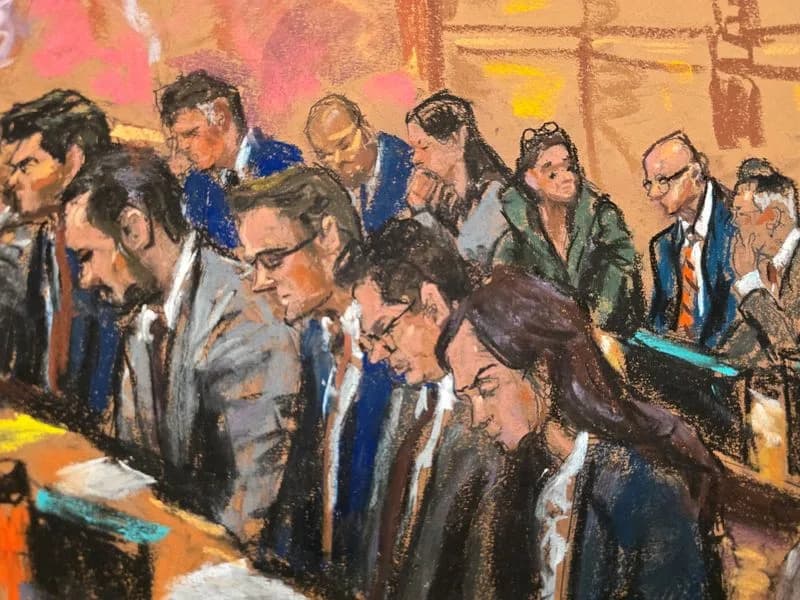
- Status: Tunick pleaded not guilty; the case remained active as of July 2026.
Legal Stakes And Competing Theories
The government’s theory is straightforward: activating an auto-wipe during a lawful search is the digital equivalent of shredding documents when officers arrive with a warrant. Some reports say authorities were searching for child exploitation material, though those claims have not been independently verified in public filings. Tunick’s lawyers counter that the search was unlawful, that he was denied counsel, and that prosecutors are stretching an obscure statute to criminalize a privacy feature.
“Absent the DOJ being able to show … the phone contained information that showed a crime was committed … they're not going to be able to convict him of this crime,” a legal commentator observed. The evidentiary bar is high: prosecutors must show not only that a wipe occurred but that it destroyed specific evidence of a crime.
Why This Matters
If the government’s theory prevails, people who use built-in safeguards — from Android’s factory-reset protection and Signal’s disappearing messages to remote-erase tools and duress PINs — could face exposure to federal charges when those tools are triggered during searches. The feature itself hasn’t changed; the legal risk might. The outcome could set a nationwide precedent affecting privacy-minded users, device-makers, and law enforcement practices.
Watch: Courts will need to decide how existing evidence-destruction statutes apply to modern, cryptographic auto-wipes and whether intent or knowledge must be proven to secure a conviction.
Note: This article summarizes publicly reported information. Some factual claims (for example, what agents were searching for) remain unverified in public records; the case was ongoing as of July 2026.
Help us improve.