The Brooklyn federal trial of Huawei began with prosecutors describing the company as a "criminal enterprise" that stole U.S. technology and abused the financial system to expand globally. Taylor Stout said the case centers on misappropriation of trade secrets from U.S. firms including Cisco and T-Mobile; the government says it will present witness testimony and video evidence. Defense lawyer Brian Heberlig argued Huawei's success was earned through competition and innovation, not crime. The indictment, originating in a 2018 case alleging bank fraud and sanctions violations, has expanded to include racketeering; evidence tied to Meng Wanzhou's 2018 detention and 2022 deferred prosecution may be used. The trial is expected to last about three months.
U.S. Trial Opens in Brooklyn as Prosecutors Call Huawei a 'Criminal Enterprise' Over Alleged Tech Theft
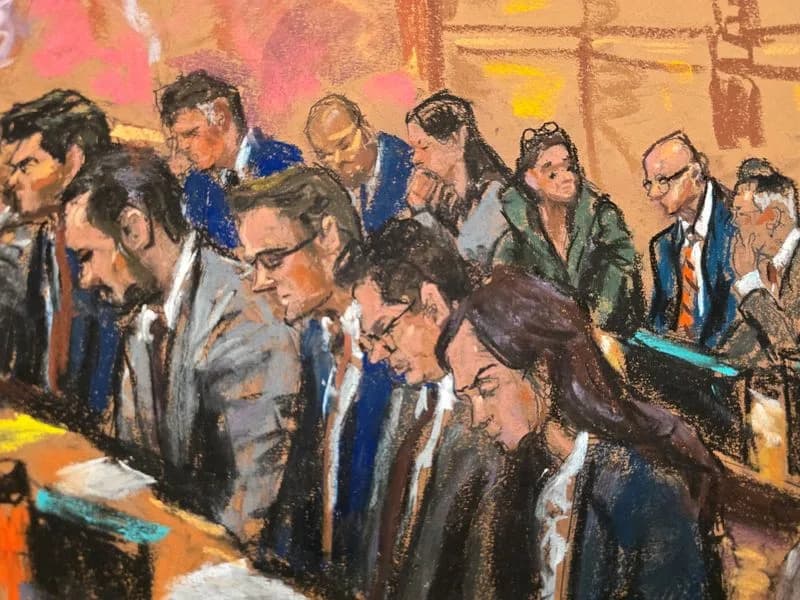
NEW YORK, Sept 9 (Reuters) - A federal criminal trial in Brooklyn opened Wednesday with U.S. prosecutors portraying China's telecommunications giant Huawei as a "criminal enterprise" that stole American technology and manipulated the U.S. financial system to expand its global business.
In the government's opening statement, trial attorney Taylor Stout of the U.S. Department of Justice accused Huawei of two decades of misconduct. "Theft, lies, cover-up," Stout told jurors, saying the company "victimized American companies and abused the American financial system" as part of a drive to dominate the global telecommunications market.
Prosecutors say Huawei conspired to misappropriate trade secrets from five U.S. companies, citing allegations that include theft of router operating-system source code from Cisco Systems and the removal of a robotic arm used by T-Mobile to test phones. Stout said the government will present witnesses and videotaped evidence showing employees attempting to steal U.S. technology.
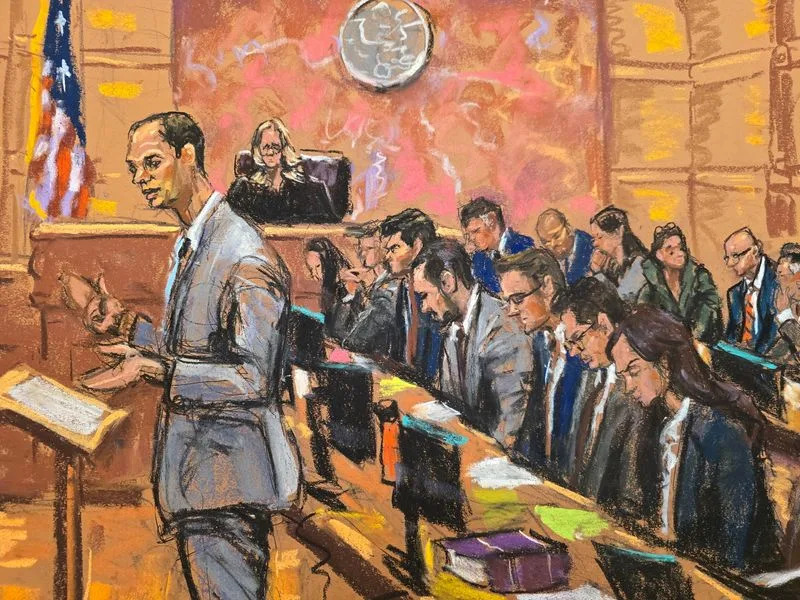
Huawei's defense offered a contrasting account. "It's about competition, not conspiracy. Innovation, not theft. Ordinary business dealings, not criminal conduct," said defense lawyer Brian Heberlig in his opening statement. Heberlig told jurors Huawei earned its success and denied there was any "blueprint for crime."
Defense Says Government "Cherry-Picking"
The case traces back to a 2018 indictment that accused Huawei and its chief financial officer of bank fraud and sanctions violations related to business in Iran. That indictment has since expanded into a broader racketeering case alleging a pattern of illegal acts by the company to generate profit.
Heberlig told jurors prosecutors will present routine corporate activities as criminal, arguing they are "cherry-picking isolated events"—including misconduct by individual employees—to portray an overarching conspiracy that he says did not exist. He pointed to incidents involving Cisco, T-Mobile and a Fujitsu device photograph as actions by individuals that management addressed after discovery.
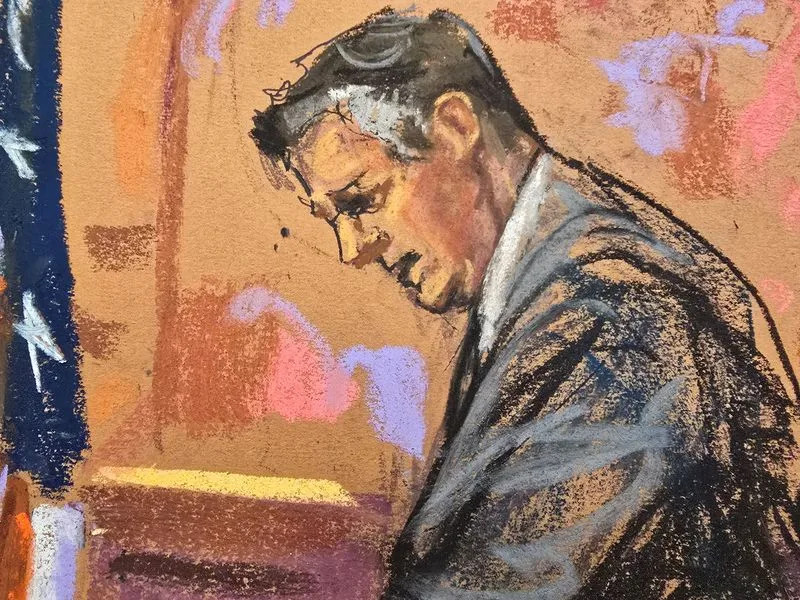
Prosecutors also allege Huawei concealed the nature of its Iran-related work to launder U.S. dollars through the financial system and to assist Iranian authorities with surveillance. The defense counters there is no evidence Huawei knowingly engaged in dollar-clearing that violated U.S. sanctions law and notes banks that handled the transactions remained willing to compete for the business.
In 2018, Huawei CFO Meng Wanzhou was detained in Vancouver on a U.S. warrant tied to the original indictment. She fought extradition for nearly three years and returned to China in 2021 under a diplomatic agreement; the charges against her were dismissed in 2022 as part of a deferred prosecution agreement. Admissions Meng made under that agreement are expected to be introduced as evidence at the Brooklyn trial.
The prosecution also relies in part on earlier Reuters reporting linking Huawei to Skycom, a company that reportedly offered embargoed Hewlett-Packard equipment to Iran in 2010 and on which Meng is said to have served on the board in 2008–09.
The trial is expected to last about three months as both sides present witnesses and documentary evidence. The proceedings will test competing narratives: a government portrayal of systematic theft and financial deception, and Huawei's claim that its growth resulted from lawful competition and innovation.
Reporting: Karen Freifeld. Editing: Rosalba O'Brien.
Help us improve.