Kansas officials, lawmakers and industry advocates met in Topeka for a two-day session to examine how large data centers could affect communities. Protesters warned that increased power and water demand could push up household electric bills. Policymakers are now weighing zoning, tax incentives, disclosure rules and whether developers should pay for grid upgrades, alongside potential guardrails like water-use limits and efficiency requirements.
Kansas Officials Clash Over Data Centers as Protesters Warn of Rising Electric Bills

Photo Credit: Getty Images
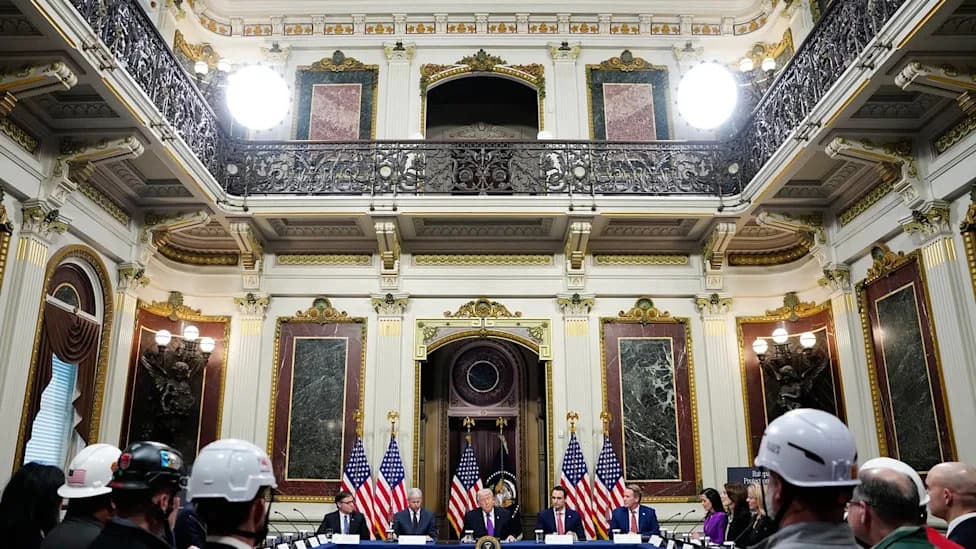
A two-day meeting in Topeka last week crystallized Kansas' growing debate over large-scale data centers, drawing county and city administrators, municipal officials, state legislators, business advocates and lobbyists to weigh potential benefits and costs. Several dozen participants attended, while community members staged a protest outside the government building, warning that residents could ultimately shoulder higher utility bills.
What Was at the Meeting
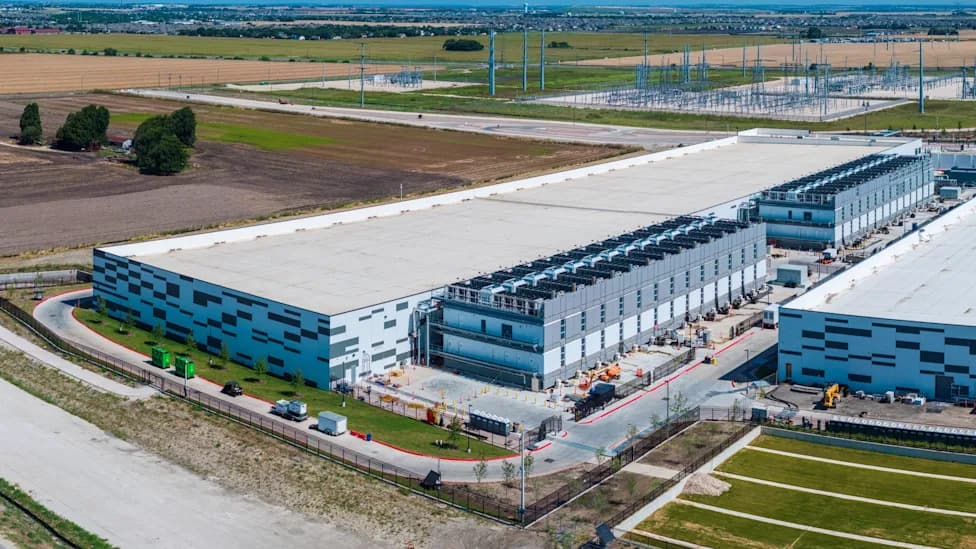
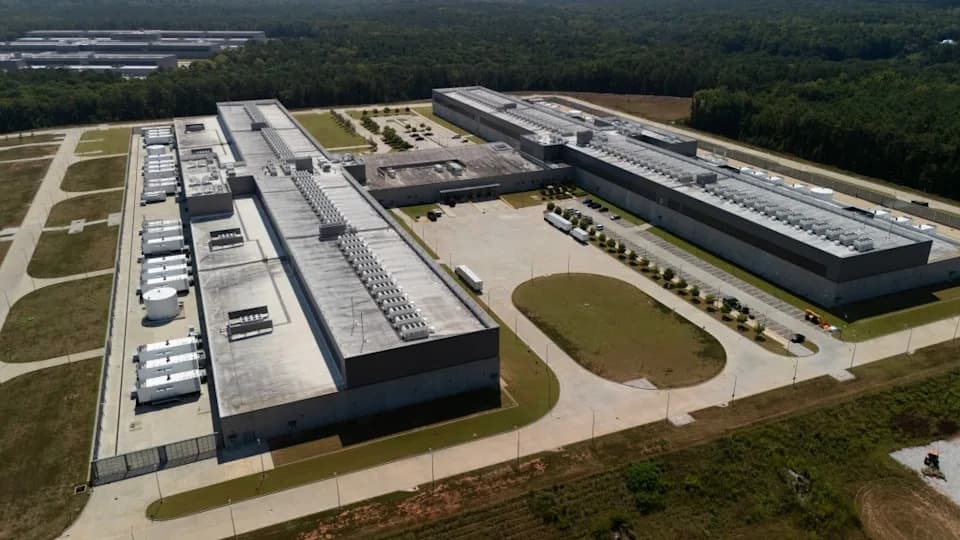
The session focused on how sprawling data facilities — which store and process massive volumes of digital information — could affect communities. Officials discussed siting, infrastructure needs, tax incentives and disclosure requirements as the state confronts increasing interest from developers seeking open land and abundant wind-generated power.
Potential Benefits
Supporters argue that data centers can bring construction jobs, new tax revenue and long-term investment that catalyzes other economic activity. In regions with available renewable energy and land, these facilities may also attract ancillary businesses and infrastructure upgrades.
Risks, Trade-Offs and Local Concerns
Critics counter that the benefits must be balanced against significant costs: large data centers drive rising electricity demand, heavy water use for cooling, and strain on roads, transmission lines and local services. A cluster of facilities in one area can push up electric rates or accelerate the need for utility capital projects that could be funded by general ratepayers.
AI Workloads and the Electric Grid
Many new centers are designed to support cloud computing and energy-intensive AI workloads, further increasing power needs. Conversely, AI tools can help utilities forecast demand, improve reliability and better integrate wind and solar generation — but those benefits do not eliminate the immediate resource impacts.
Policy Options Under Consideration
State and local leaders are weighing several policy levers: zoning and land-use rules, tax incentives, utility planning and public disclosure requirements. Key decisions include requiring transparent reporting of projected power consumption, determining whether developers should fund grid upgrades or whether costs are spread to all customers, and setting guardrails such as stricter water-use standards, mandatory efficiency measures and commitments to cleaner energy sources.
Moving Forward
The debate in Topeka underscores the choices ahead: careful policy design could channel data center investment into local economic gains while protecting ratepayers and natural resources, but inadequate safeguards could leave communities and utilities bearing disproportionate costs. As proposals progress, regulators and lawmakers will play a central role in defining who pays for upgrades and how impacts are mitigated.
Bottom line: Kansas' wind resources and available land make it attractive to data center developers, but the state's next policy moves will determine whether that growth is an economic win, a utility burden, or a complicated combination of both.
Help us improve.