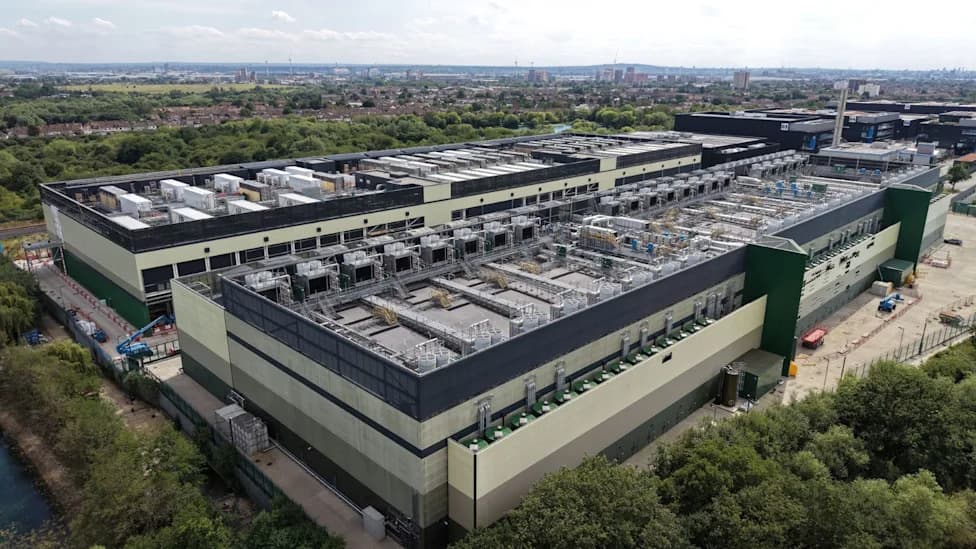
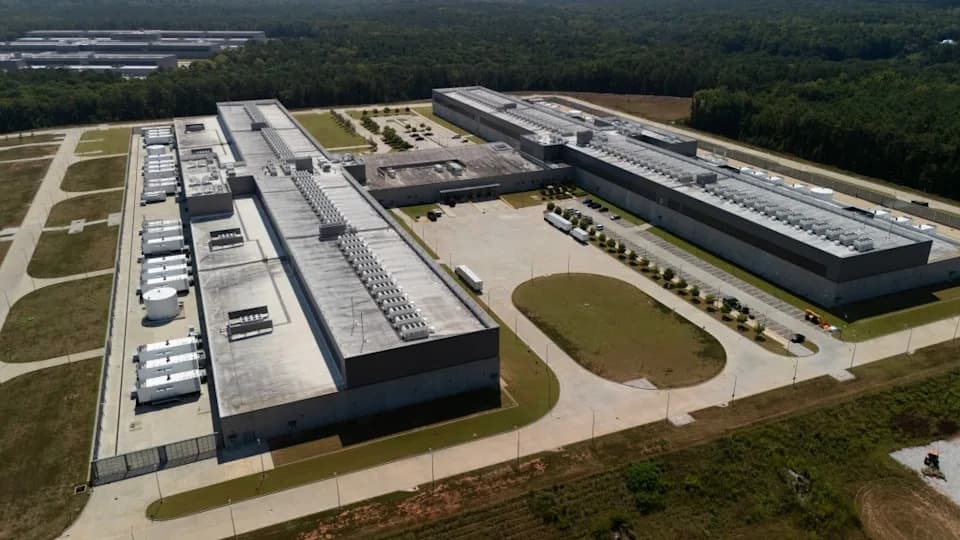
Opponents of Invenergy’s proposed Red Oak Ridge Energy Center in southeastern Wisconsin say the more-than-1,100-megawatt natural gas plant would harm local air quality and strain water supplies. Environmental groups warned Red Oak Ridge combined with the separate Foundry Ridge proposal could average about 21.2 million gallons of water annually. Supporters, including unions, say the plant is needed for reliable, affordable electricity as demand from data centers rises. The Wisconsin Public Service Commission will review comments and issue a decision in the coming months.
Residents Blast Invenergy's 1,100+ MW Gas Plant as 'Pollution for a Data Center' — Unions Say It's Needed for Reliability

Photo Credit: iStock
Residents near a proposed natural gas facility in southeastern Wisconsin are urging regulators to reject Invenergy’s plan for the Red Oak Ridge Energy Center, arguing the project would increase local air pollution and put added pressure on limited water resources. Supporters, including local trade unions, counter that the plant is necessary to keep the region’s power supply reliable amid rising demand from data centers and other large users.
What Was Said At The Hearings
At Thursday’s final public hearings in the town of Paris, neighbors and environmental advocates delivered emotional testimony opposing the project. Rachel Kirschner, who lives within a mile of the proposed site, said:
"They want to pollute our air for a data center. It's heartbreaking."
Cassie Steiner of the Sierra Club of Wisconsin highlighted water concerns, noting that Red Oak Ridge and the separate Foundry Ridge proposal together could average about 21.2 million gallons of water per year if both projects move forward.
Developer Response
Invenergy has emphasized that the Red Oak Ridge plant — proposed at more than 1,100 megawatts — is intended primarily as backup capacity for the regional grid and to support growing electricity needs from industrial users, including data centers. The company also said the facility’s cooling system is designed to conserve water, adding: "There are many days in the year when the project will use almost no water." Developer Daniel Birmingham said the project would help provide reliable, affordable service across the grid.
Supporters' Argument
Union representatives and trade groups argued that additional generation is necessary to avoid reliability problems. Josh Birong of Plumbers & Steamfitters Local 118 warned:
"If we are not going to build more power plants, we're going to end up with problems."
Health, Environmental And Cost Concerns
Opponents say nearby emissions and increased industrial water use risk public health and local natural resources. Kirschner told regulators she worries about children's health:
"I have two kids. I have a 7‑year‑old and a 9‑year‑old. It can give them asthma. It's very concerning."
Experts note that conventional fossil-fuel plants can contribute to air and water pollution associated with asthma, heart disease, cancer and premature death. Opponents also argue that continued reliance on fossil fuels can keep household energy costs tied to volatile fuel markets rather than accelerating investment in abundant wind and solar resources.
Next Steps
The Wisconsin Public Service Commission is reviewing testimony and public comments; a final decision is expected in the coming months. As the review continues, opponents are pressing the agency on public health and resource protection while Invenergy reiterates assurances about water use and the project’s role in stabilizing the grid.
Help us improve.