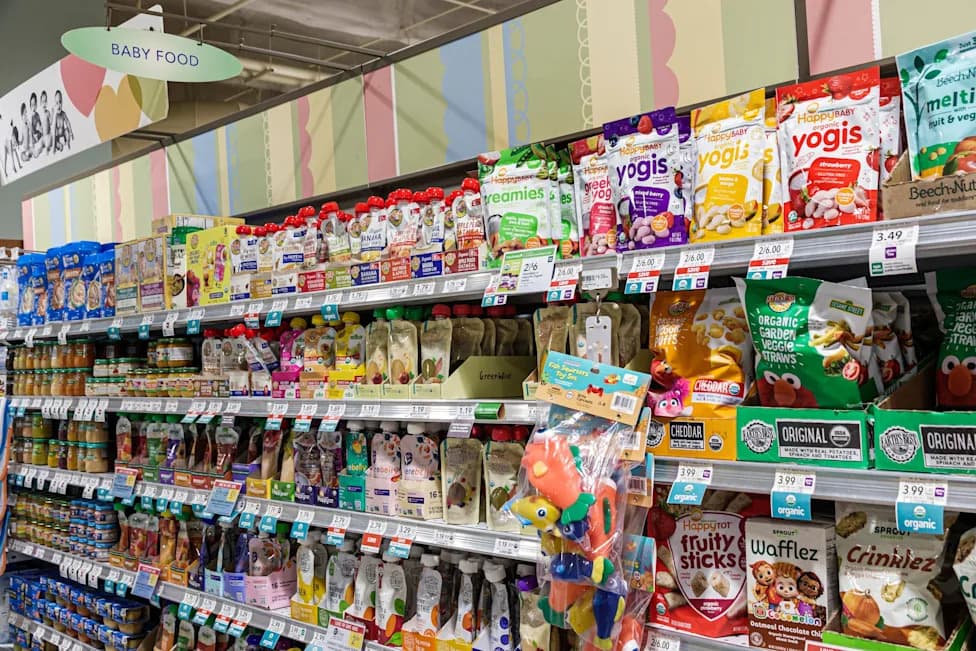
Researchers at the University of Texas at Austin reviewed 2,783 packaged toddler foods from 21 grocery stores and found that 81% were ultra-processed. Nearly 49% failed at least one WHO nutrient recommendation for children aged 6–36 months, with common issues including excess sugar (17%) and sodium (25%). The team recommends clearer front-of-package warnings for products exceeding sugar, sodium, or calorie guidelines and urges parents to check labels carefully. The study is limited to store-bought packaged items and may not reflect all foods young children eat.
Alarm at the Grocery Aisle: 4 in 5 Packaged Toddler Foods Are Ultra‑Processed; Nearly Half Miss WHO Nutrition Targets

A new analysis by researchers at the University of Texas at Austin finds that the majority of packaged toddler foods sold in grocery stores are ultra-processed and many fail to meet international nutrient recommendations for young children.
Key Findings
The team examined 2,783 packaged toddler food products collected from 21 grocery stores in Austin and presented the results at the American Society for Nutrition annual meeting. They found that 81% of products qualified as ultra-processed, and nearly 49% failed to meet at least one World Health Organization (WHO) nutrient recommendation for children aged 6–36 months.
Specific nutrient exceedances included:
- 17% of products surpassed recommended sugar limits
- 25% contained excessive sodium
- 11% exceeded fat recommendations
- 12% were considered too calorie-dense for the age group studied
Product Examples
The researchers cited examples of commonly sold toddler items with poor nutrient profiles: fruit pouches high in sugar, oat bars high in sugar and calories, macaroni and cheese with elevated sodium and fat, turkey sticks high in sodium and fat, and snack puffs that exceeded limits for calories, sodium, or fat.
“Our findings highlight that half of the toddler foods available in local grocery stores do not meet WHO nutrient recommendations,” said lead researcher Erin Hudson. “Parents should be vigilant in checking labels and ingredients to determine the nutrient content and processing level of products for their toddlers.”
Interpretation and Recommendations
The authors noted a distinction between minimally processed products that may be higher in fat or calories due to nutrient-dense ingredients (for example, peanut- or beef-based foods) and ultra-processed products that more often contain added sugars and offer fewer nutritional benefits. To help caregivers make healthier choices and to encourage manufacturers to reformulate products, the research team suggested adding front-of-package warning labels for items that exceed recommended thresholds for sugar, sodium, or calories.
Limitations: The study focused on packaged toddler foods sold in grocery stores and does not represent all foods young children consume at home, in childcare, or elsewhere. The analysis was limited to products available in Austin stores and may not capture regional or international variations.
Copyright 2026 Nexstar Media, Inc. All rights reserved. This material may not be published, broadcast, rewritten, or redistributed.
Help us improve.