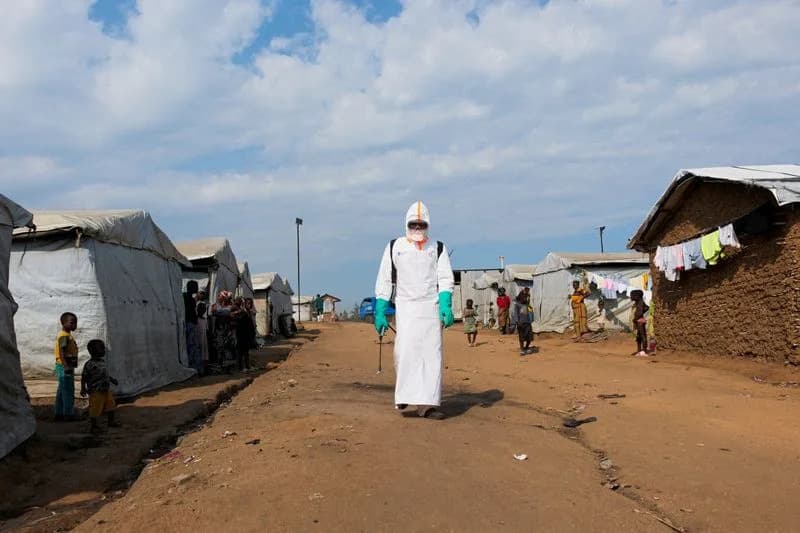
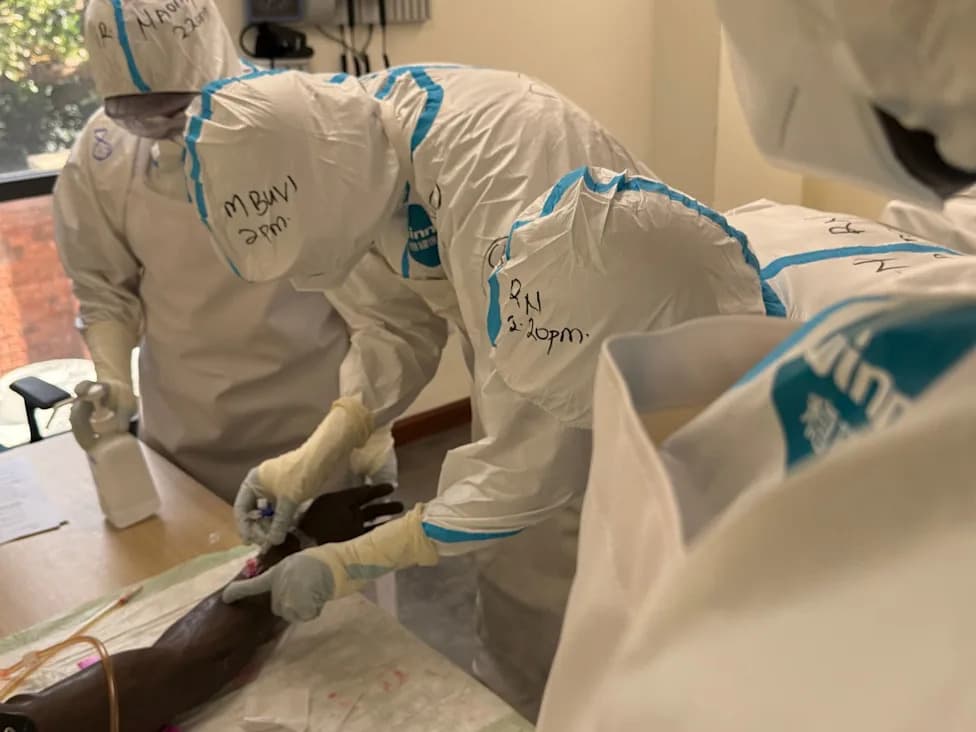
Uganda has been declared Ebola‑free after completing a 42‑day nationwide monitoring period following the discharge of its last locally transmitted patient on 16 June 2026. The Ministry of Health reported no new cases during intensive surveillance, while Health Minister Chris Baryomunsi urged continued vigilance. A much larger outbreak persists in the neighbouring DRC, where authorities report at least 3,262 infections and 1,437 deaths; the WHO warns the true toll may be two to four times higher. The circulating Bundibugyo strain currently has no approved vaccines or specific treatments.
Uganda Declares Itself Ebola-Free After 42-Day Surveillance; DRC Faces Fast‑Spreading Bundibugyo Outbreak
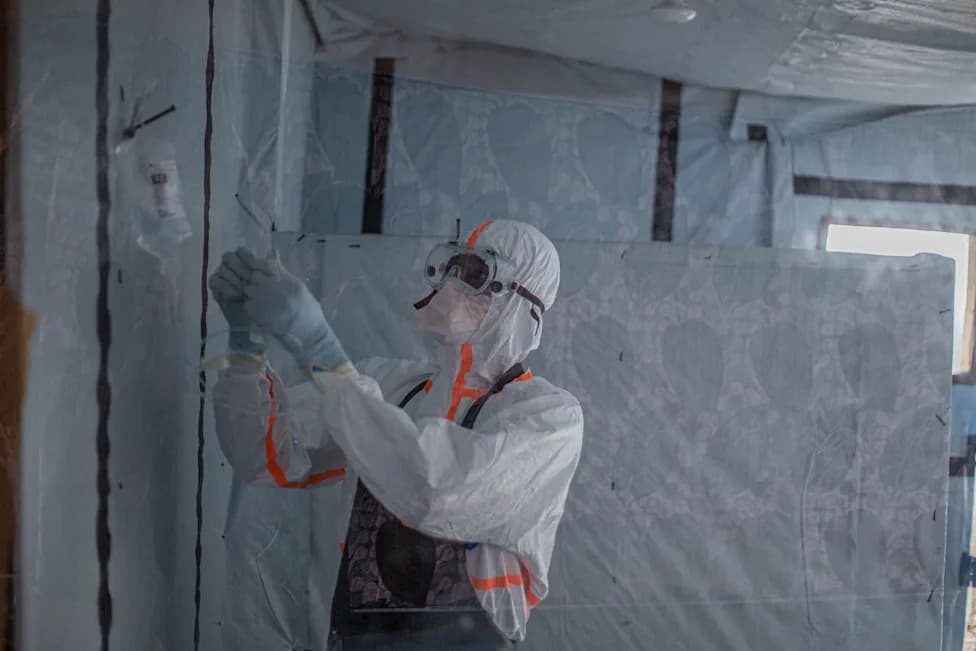
Ebola is a viral haemorrhagic disease that can cause fever, vomiting, diarrhoea and internal bleeding [File: AFP]
Authorities in Uganda have officially declared the country free of Ebola after completing a mandatory 42-day national monitoring period that began following the discharge of the last locally transmitted patient on 16 June 2026.
Ugandan Health Minister Chris Baryomunsi said the Ministry of Health maintained "intensive surveillance nationwide" during the monitoring window and detected no new Ebola cases. In a follow-up social media statement, he urged citizens to "remain alert" and continue observing public health guidance.
Recent Case Figures
Of the 20 confirmed cases linked to the recent cross-border incident, 18 patients in Uganda were discharged and two died — both were nationals of the Democratic Republic of the Congo (DRC), where a much larger outbreak has been ongoing since mid‑May.
Situation in the DRC
According to the Congolese Ministry of Health, the DRC has reported at least 3,262 infections and 1,437 deaths. The World Health Organization has warned this outbreak is the fastest-spreading on record and cautioned that the true scale may be two to four times higher than official counts.
Laboratory testing has identified the circulating virus in the DRC as the Bundibugyo variant — the rarest of the four Ebola virus species known to infect humans. Currently there are no approved vaccines or specific treatments for Bundibugyo, increasing the need for rapid detection, contact tracing and community precautions.
What Everyone Should Know
Ebola is a viral haemorrhagic fever that can cause high fever, severe vomiting, diarrhoea and internal bleeding. It spreads through direct contact with the bodily fluids of infected people or those who have died from the disease. Health authorities emphasize continued vigilance at border crossings, prompt reporting of symptoms, and adherence to infection‑prevention measures to reduce the risk of renewed transmission.
Bottom line: Uganda’s comprehensive surveillance has ended this flare-up domestically, but the larger, fast‑moving Bundibugyo outbreak in the DRC remains a major regional threat.
Help us improve.