The author urges the Supreme Court to end its extended summer recess and adopt limited year‑round sittings to improve deliberation and public trust. Practical reforms include one virtual meeting day in July, August, and September—mornings for emergency oral arguments and afternoons for Conferences to consider cert petitions. The piece also recommends abandoning the rigid end‑of‑June deadline so opinions are released when fully deliberated rather than rushed. These incremental changes would reduce backlog, curb gamesmanship around the late‑September "long conference," and likely produce higher‑quality rulings.
End the Supreme Court's Long Summer Recess: Why the Justices Should Sit Year‑Round
(Nora Collins)
Summary: The Supreme Court's lengthy summer recess—during which merits work largely pauses from July through September—is an anachronism that harms deliberation and public confidence. This piece argues the Court should adopt modest, feasible changes: schedule periodic summer sittings (initially virtual), consider emergency arguments, and abandon the artificial rule that all opinions tied to a term must be finished by the end of June. These steps would reduce backlog, improve the quality of decisions, and signal greater responsiveness to the public.
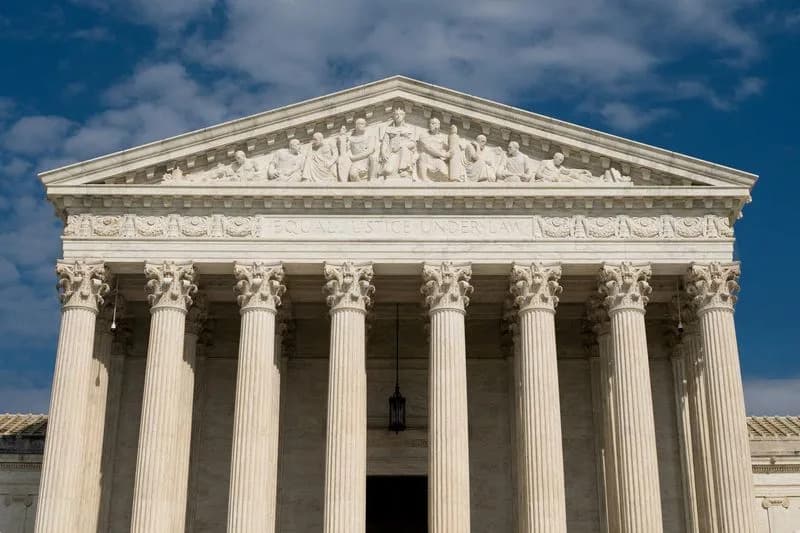
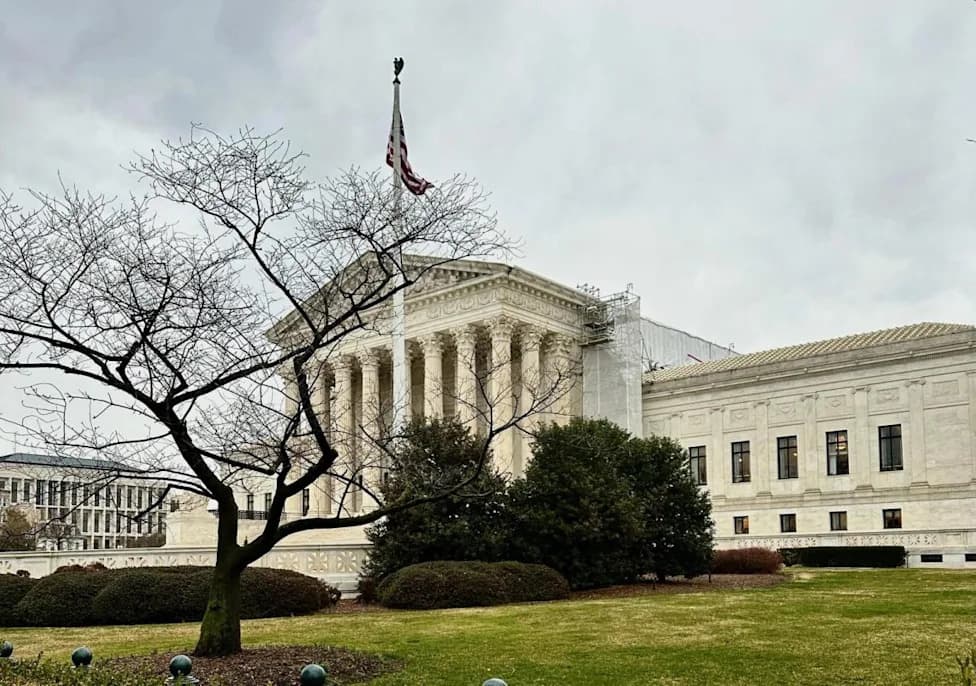
Federal trial and appellate courts sit year-round, yet the Supreme Court remains an outlier. Since 1917 the Court's term has begun on the first Monday in October, and long-standing practice has the justices complete their term's merits work before the Fourth of July. As a result, the Court typically pauses public sittings—and the resolution of merits cases—from July through September, with certiorari petitions filed over the summer accumulating for the traditional "long conference" in late September.
Why the Recess Is Problematic
The summer break made logistical sense when each justice authored many opinions and the Court decided far more cases. But modern caseloads are smaller—the Court now resolves roughly 60 cases per term—and the long hiatus creates two problems. First, urgent matters filed in summer can wait months for full consideration. Second, the artificial deadline that pressures the Court to finish opinions by the end of June encourages rushed compromises and can undermine careful, lasting legal reasoning.
A Modest, Practical Reform
The Court could act unilaterally, or Congress could mandate change, but a low-friction approach is for the Court to begin with limited virtual summer sessions. During the pandemic the Supreme Court successfully held remote oral arguments and conferences; courts of appeals now routinely use online arguments. Virtual sessions would allow justices to maintain summer travel plans while remaining available for urgent work.
Under this plan, the Court would schedule a single virtual meeting day in July, August, and September. Mornings would be reserved for public emergency oral arguments; afternoons for private Conference meetings to consider cert petitions and emergency applications. If no emergency oral argument is necessary, the public session could be cancelled and the Conference would consider petitions. An orders list could follow soon after each session, preventing the bottleneck effect of the long September conference and removing incentives for petitioners to time their filings.
End the End‑Of‑June Deadline
More fundamentally, the Court should abandon the strict norm that all opinions tied to a term be released by end‑of‑June. While it is sensible to tie argument and decision cycles to a term for administrative purposes, Supreme Court opinions shape the law for generations. Rushing major opinions to meet an arbitrary vacation calendar risks poorer-quality reasoning and avoidable errors. Allowing opinions to be released when mature—e.g., a case argued in June might be decided in November—should produce better, more durable jurisprudence without eliminating reasonable rest periods for the justices.
Benefits And Implementation
These changes are incremental, reversible, and precedent-based. The Court has occasionally acted after the formal term—recent July cert grants suggest ad hoc post‑term discussions already occur. A gradual schedule could look like one sitting in mid‑July, one in mid‑August, a session after Labor Day, and the traditional October term start. Implemented well, the reforms would speed handling of emergencies, reduce strategic petition timing, improve deliberation, and send a positive signal to a public whose confidence in the Court has waned.
Conclusion: The Supreme Court can preserve leisure and travel while also doing a better job of fulfilling its constitutional responsibilities. By adopting limited summer sittings and freeing opinions from the artificial end‑of‑June deadline, the Court would likely produce higher‑quality decisions and demonstrate greater institutional responsibility—all without sacrificing necessary rest.
Help us improve.