The Littoral Combat Ship was designed as a fast, modular platform for near-shore warfare but became a costly and controversial program after persistent technical and operational problems. Two distinct hulls—the Freedom and Independence classes—added logistical complexity, while modular mission packages (especially minehunting and ASW) underperformed. The Navy scaled back procurement, launched upgrades and retraining, and is fitting some ships with new weapons to salvage capability and lessons for future surface combatants.
Why the Littoral Combat Ship Became So Controversial: Two Decades of Promise and Problems
Wikimedia Commons
The Littoral Combat Ship (LCS) was introduced as the U.S. Navy's lightweight, fast, and modular solution for operations close to shore. Conceived to handle missions larger blue-water ships struggled with—mine countermeasures, anti-submarine warfare (ASW), and surface combat—the program has instead become one of the most debated procurement efforts in recent naval history. Cost overruns, capability shortfalls, and premature retirements have left the LCS with a complicated legacy.
Ambition Versus Reality
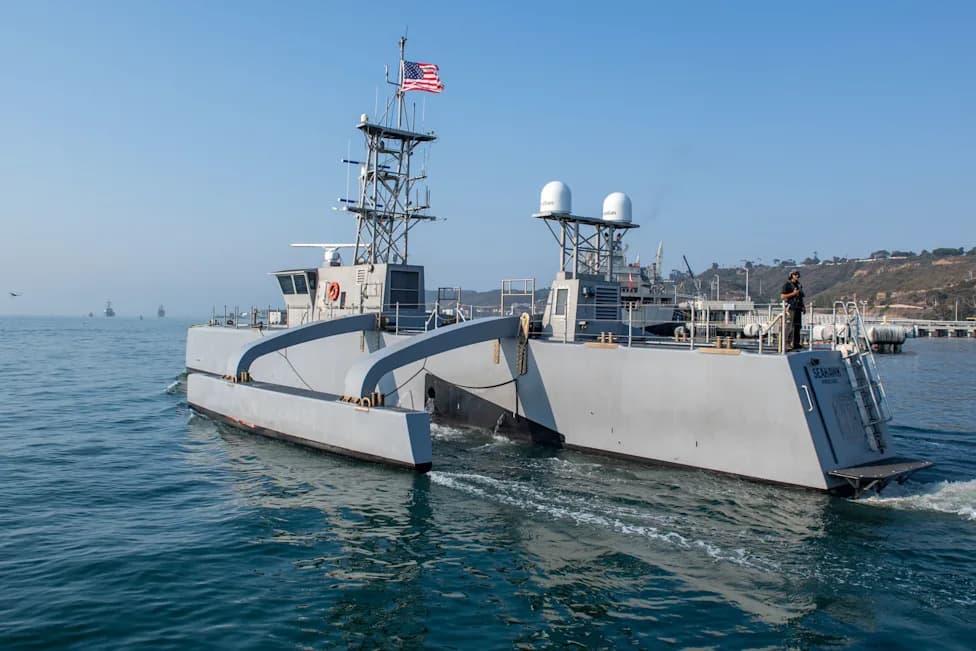
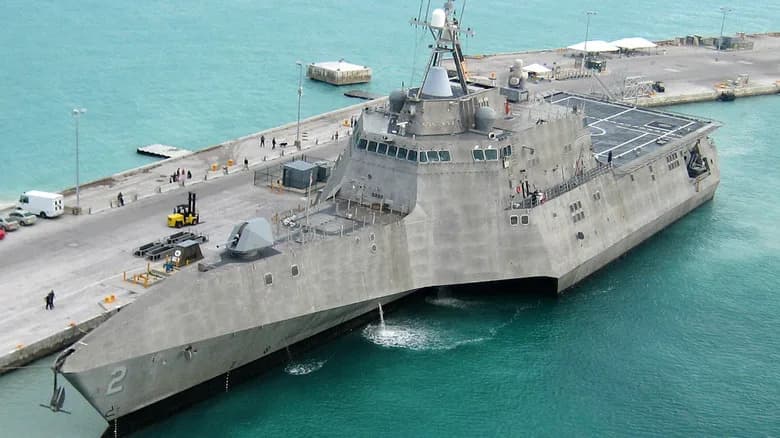
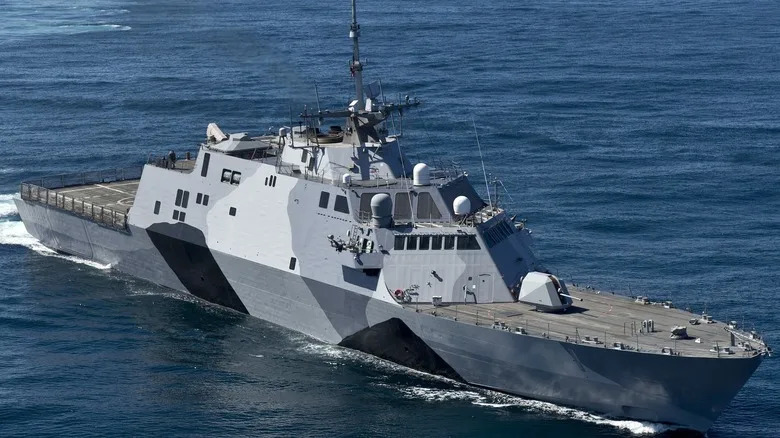
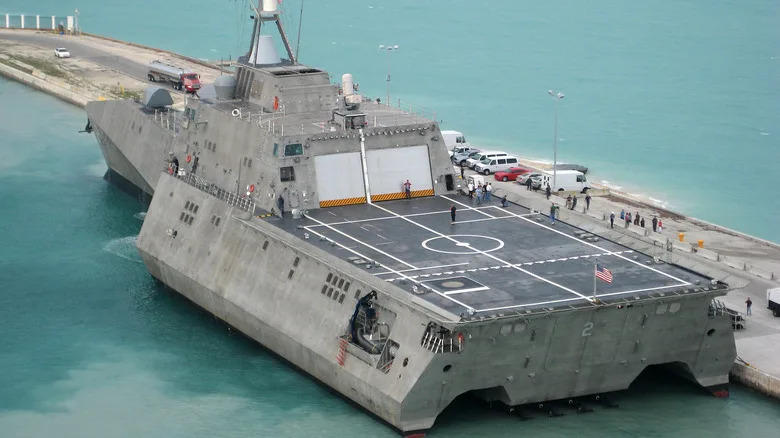
Robert Work, then Undersecretary of the Navy, called the ship a "Swiss Army Knife" for the fleet.That vision drove the Navy to pursue a single, reconfigurable platform. In practice, two very different designs were adopted: the mono-hull Freedom-class and the trimaran Independence-class. Building two hull forms increased logistical and training burdens because each required different crews, spare parts, and maintenance approaches. Both classes also relied on commercial ferry-derived hulls with minimal armor, a design trade-off that assumed crews could evacuate rather than absorb heavy combat damage—an assumption critics argued was risky in contested littoral environments.
Wikimedia Commons
Modularity: Great Idea, Hard to Deliver
A cornerstone of the program was the modular mission-package concept: swap in purpose-built packages—complete with sensors, weapons, and unmanned systems—to change roles quickly. But the concept proved difficult to operationalize. The minehunting packages suffered frequent reliability and maintenance issues, while ASW systems struggled with hardware integration and poor acoustic performance. Over time, mine-countermeasure and ASW mission sets were deprioritized, leaving surface warfare as the primary operational fit for many hulls.
Maintenance Challenges and Propulsion Failures
To support small crews, the LCS was designed to be highly automated. However, many systems were complex and sometimes required proprietary software or contractor support to repair—preventing sailors from performing timely fixes at sea. Freedom-class vessels also experienced recurring propulsion problems, notably with the combining gear that couples multiple engines to the drive train. These failures were costly and operationally disruptive. In 2016 the Navy temporarily pulled the LCS fleet for retraining after a series of mishaps and operational confusion.
Wikimedia Commons
Attempts to Salvage Value
Rather than cancel the class outright, the Navy reduced procurement, invested in upgrades, and created a dedicated task force to improve reliability and tactics. Incremental improvements and systems insertions have shown progress: some Independence-class ships have reported availability rates near 96%, and beginning in 2025 some Freedom-class hulls started receiving enhanced weapons suites.
Recent and planned upgrades aim to broaden LCS combat relevance. Installed capabilities include counter-drone options such as the Longbow Hellfire, and planned additions include Naval Strike Missiles and Mk 70 launchers to enable longer-range rounds like SM-6 and Tomahawk. These steps reflect an effort to extract value from existing hulls while applying lessons to future surface combatant programs.
What the LCS Story Means
The LCS program is a study in trade-offs: innovative concepts and cost savings versus survivability, maintainability, and realistic operational needs. The Navy continues to adapt the class through upgrades and new doctrine, but the LCS experience has already shaped how the service approaches modularity, contractor dependence, and hull design for future ships.
Help us improve.