The World Artificial Intelligence Cooperation Organization (WAICO) was launched in Shanghai with 29 founding countries and will be headquartered there. Western democracies — including the US, UK, EU, Japan and South Korea — were absent from the charter, an intentional omission observers say. China framed WAICO as an inclusive, long-term initiative and pledged support for thousands of AI research and training projects across ASEAN, the African Union, the Arab League and Latin America. The move formalizes a Chinese-led track for AI governance and raises the prospect of diverging standards that multinationals will need to manage.
China Launches WAICO in Shanghai — A Formal Chinese Track for Global AI Governance
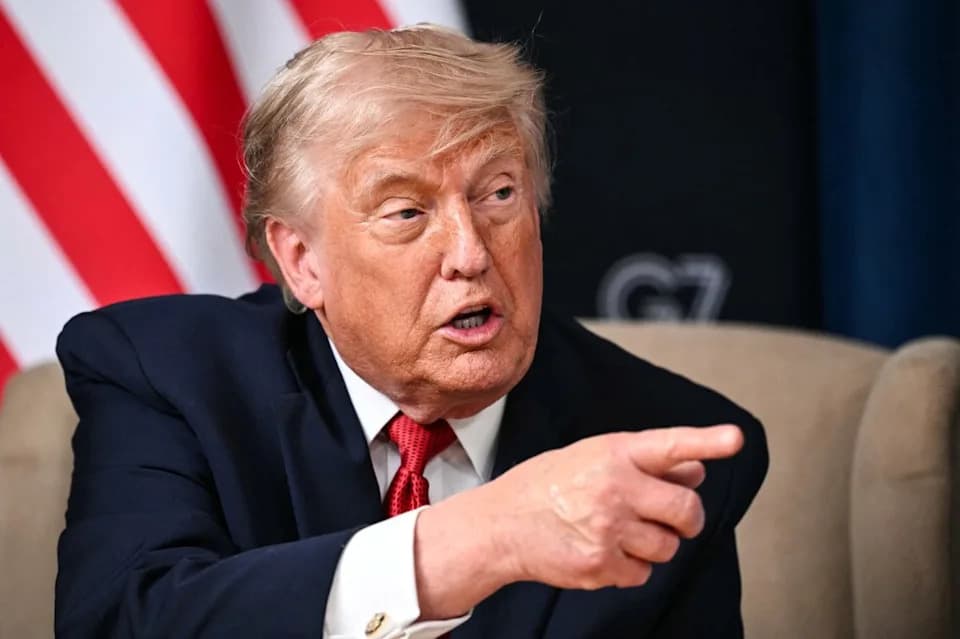
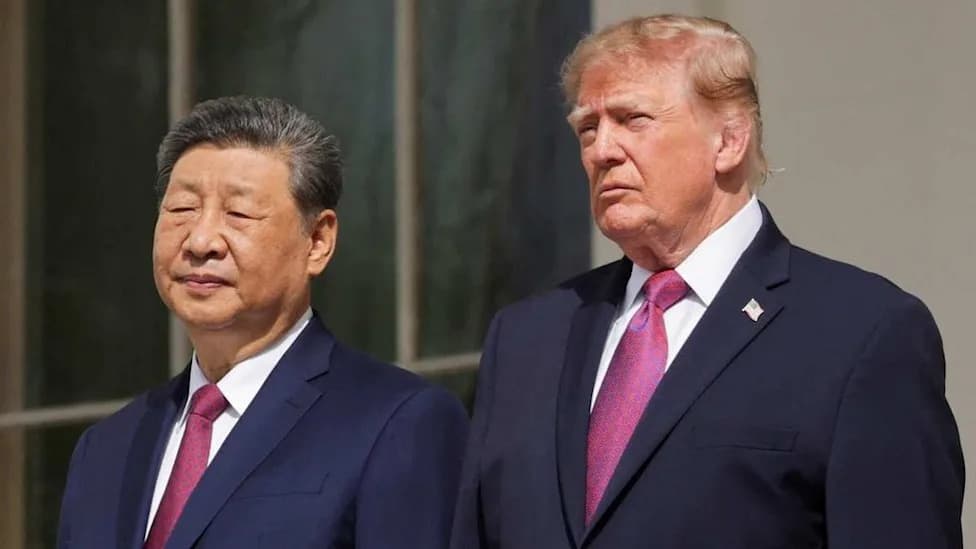
The creation of a "Chinese track" for AI governance has intentionally omitted Western-aligned countries.getty
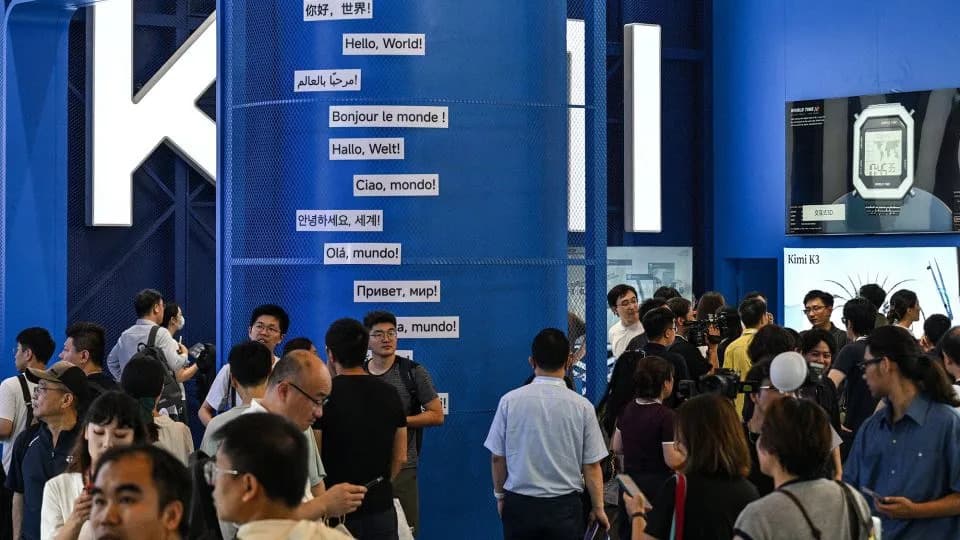
The World Artificial Intelligence Cooperation Organization (WAICO) was publicly launched in Shanghai at the World AI Conference, with 29 countries signing founding documents and Shanghai named as its headquarters. The announcement was notable for its abrupt, high-profile timing and the conspicuous absence of Western democracies from the list of signatories.
Who Signed — And Who Didn't
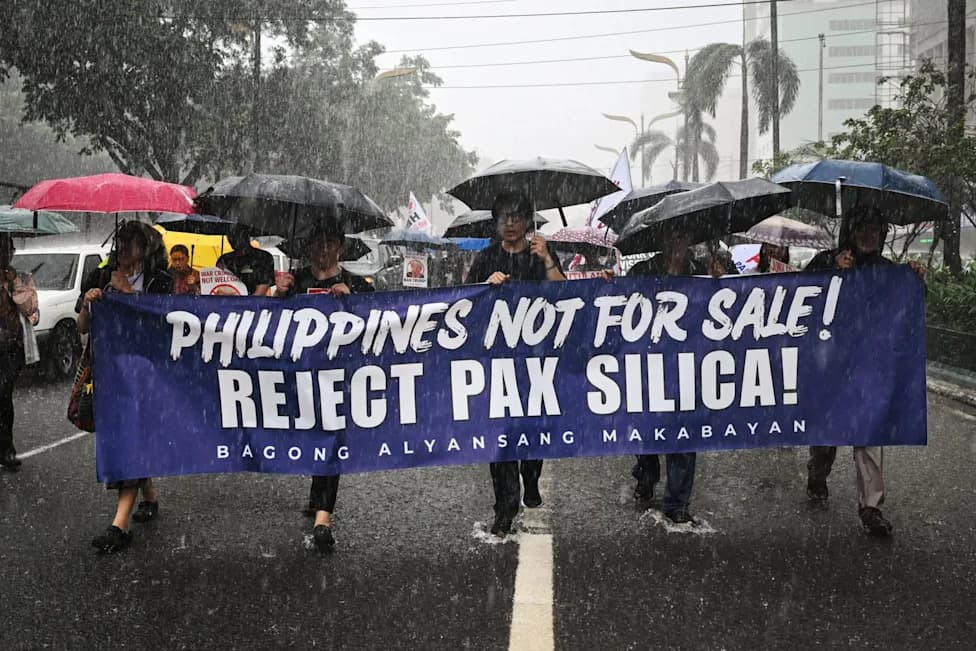
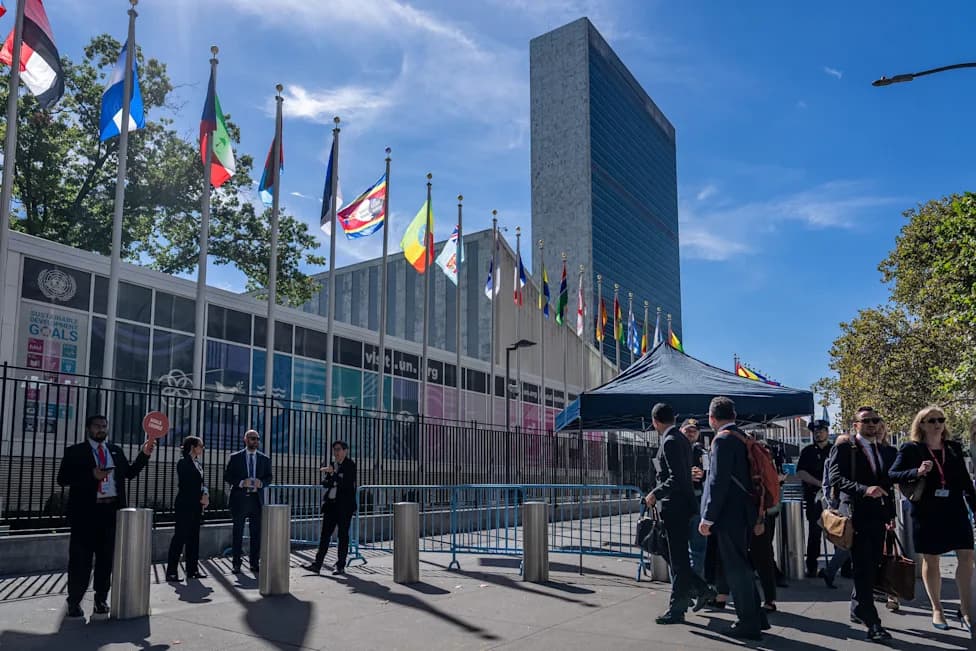
Among the named founders were Russia, Belarus, Serbia, Cuba, Brazil, Venezuela and Pakistan, along with at least 22 other nations. Missing from the charter were the United States, the United Kingdom, the European Union, Japan, South Korea and most countries that lead frontier AI development — an omission that observers say was deliberate rather than accidental.
What WAICO Intends
WAICO positions itself as an institutional framework for a Chinese-led approach to AI governance. Chinese President Xi Jinping described AI development as a 'symphony' rather than a solo performance, language that frames Beijing as an inclusive convenor for countries that have felt overlooked by Western-led institutions. The WAICO charter also pledges long-term investments across regions, committing Beijing to support thousands of AI research and training projects in ASEAN, the African Union, the Arab League and Latin America.
Why this matters: This launch formalizes a distinct governance path for AI and increases the likelihood of competing standards across jurisdictions.
Implications for Business and Policy
Observers note that AI governance appears to be following a pattern seen in telecoms, 5G, and semiconductors: bifurcation into a Western track and a Chinese track, each with different rules, preferred vendors and geopolitical alignments. As WAICO develops rules on model safety, data governance and cross-border AI deployment, multinational companies may confront new operational frictions similar to earlier waves of data localization.
Those frictions could affect the entire AI stack — from data sourcing and storage to model validation, certification and deployment. While not an immediate crisis, regulatory divergence often evolves quietly until it becomes operationally significant.
Practical Steps for Technology Leaders
Enterprise technology and policy teams should begin scenario planning now: monitor WAICO's rulemaking, map dependencies across regions, consider modular and multi-jurisdictional architectures, and plan for dual compliance pathways for data, models and certifications. Early engagement with standard-setting bodies and diversified supply chains can reduce downstream disruption.
Bottom line: The launch of WAICO signals the formalization of a Chinese-led track for AI governance and a deepening geopolitical contest over standards. Companies and policymakers should watch closely and prepare for a world with competing regulatory regimes.
This article was originally published on Forbes.com.
Help us improve.