Sen. Mark Warner introduced the Data Center Tax Accountability and Disclosure Act, which would require data center developers to report projected water and electricity use and meet related standards before qualifying for certain federal tax deferrals. The proposal aims to set national transparency expectations as nearly 2,700 data centers operate nationwide and more than 1,000 are planned. The bill would not ban construction but would use tax policy to encourage responsible siting and protect consumers and local infrastructure.
Sen. Mark Warner Ties Federal Tax Breaks for Data Centers to Water and Power Disclosure
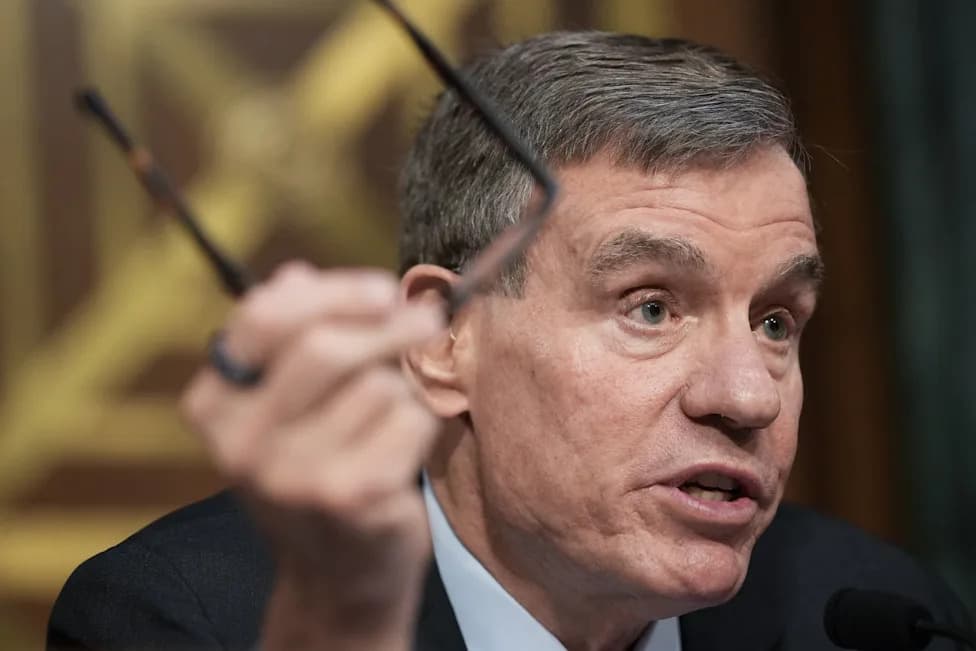
Photo Credit: Getty Images
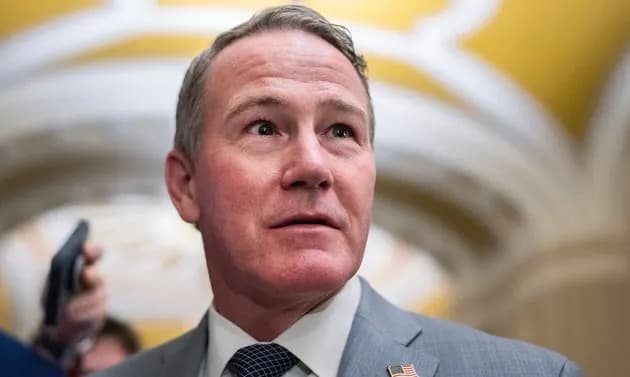
Sen. Mark Warner (D-Va.) has introduced the Data Center Tax Accountability and Disclosure Act, a measure that would require data center developers to disclose projected water and electricity use and meet related standards before qualifying for certain federal tax deferrals. The proposal aims to bring national transparency to a rapidly expanding industry, particularly in Virginia, which has emerged as a major hub for server farms and cloud infrastructure.
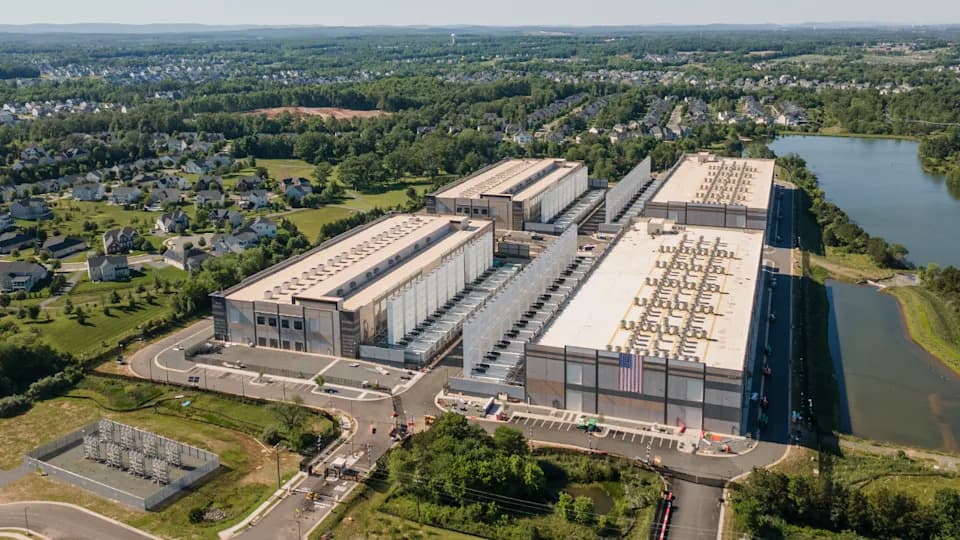
Using data from the U.S. Data Center Map, reporters noted that by July 2026 there were nearly 2,700 operating data centers in the United States, with more than 1,000 additional facilities under construction or planned. Northern Virginia — including Loudoun County — has become one of the country’s busiest locations for new data center construction.
What the Bill Would Require
Under Warner’s proposal, developers seeking certain federal deferral tax benefits would need to:
- Report anticipated electricity and water consumption for the facility;
- Demonstrate compliance with relevant energy and water-use standards; and
- Meet setbacks or other siting expectations that reduce impacts on nearby residential neighborhoods.
Warner framed the effort as consumer protection: lawmakers should make sure data centers do not "add to the consumer's electric bill," and communities deserve clearer information about how close large industrial-style facilities will sit to neighborhoods.
Why Communities Are Concerned
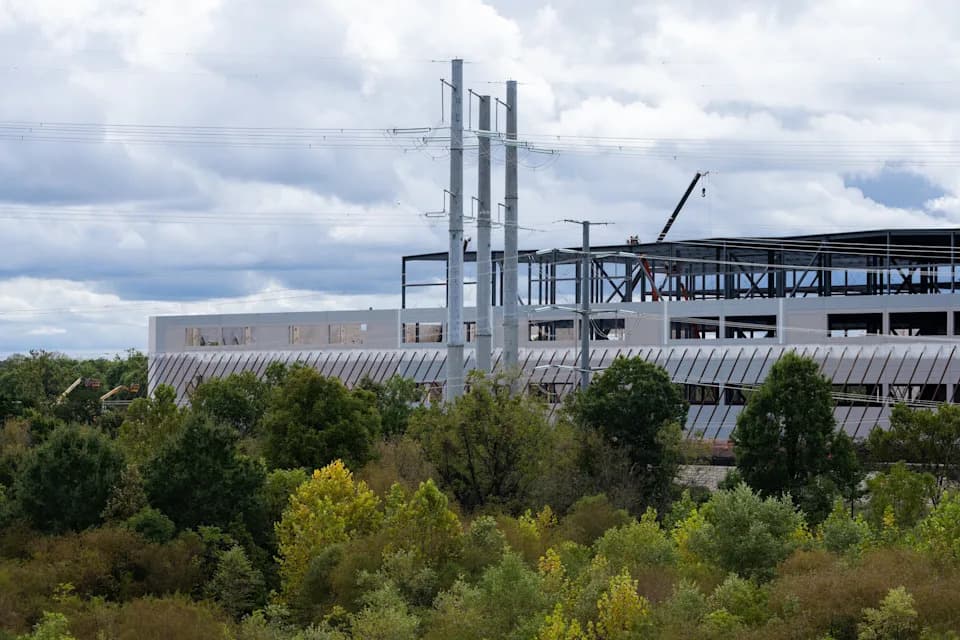
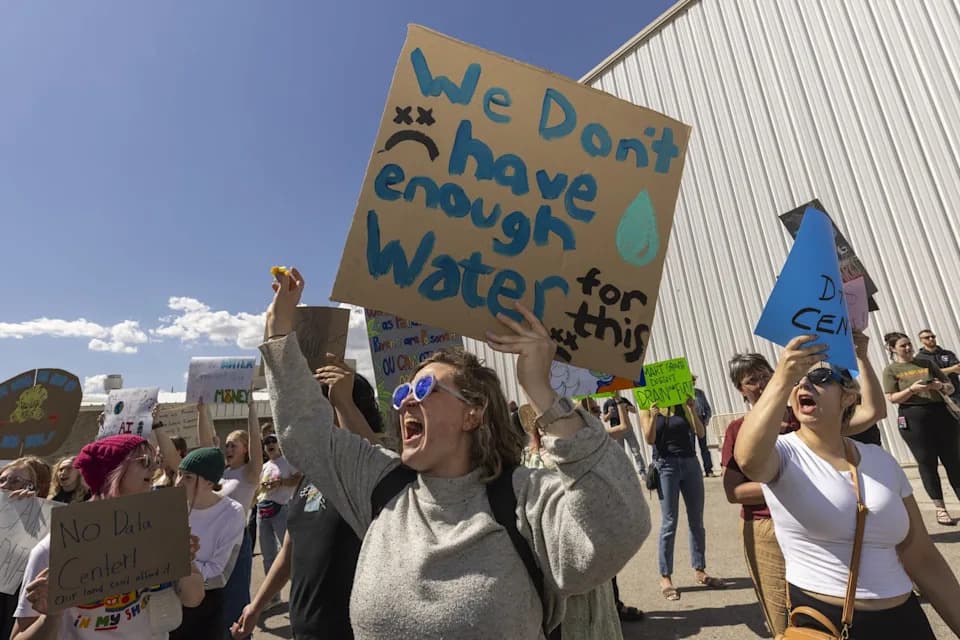
Data centers support cloud storage, streaming, and artificial intelligence workloads, but they can demand substantial electricity and water to run and cool equipment. Rapid increases in local electricity demand can strain grids and raise the potential that utilities will pass added costs to ratepayers. Heavy water use is a particular worry in fast-growing regions, drought-prone areas, or places with aging infrastructure. Land-use impacts are also significant: large campuses can consume many acres that previously supported other uses or natural habitat.
Local Resistance: Local opposition already curtailed more than 75 proposed data center projects valued at roughly $130 billion in the first three months of 2026, according to reporting.
Not A Ban — A Federal Incentive Lever
The bill would not ban data center construction or stop projects outright. Instead, it conditions certain federal tax advantages on transparency and compliance, using tax policy as an incentive to encourage responsible siting and resource management. Supporters say this approach helps create consistent national expectations rather than leaving each community to negotiate terms independently.
As more projects are proposed nationwide, measures like this could help ensure that industry growth is balanced with clearer safeguards for consumers and local infrastructure. Warner said these safeguards should be met before large federal tax benefits are granted, stressing that the goal is responsible development that does not shift costs onto residents.
Note: The bill’s specifics — including which tax benefits would be tied to disclosure, the precise standards developers must meet, and the enforcement mechanism — would be worked out in the legislative process if the proposal advances.
Help us improve.