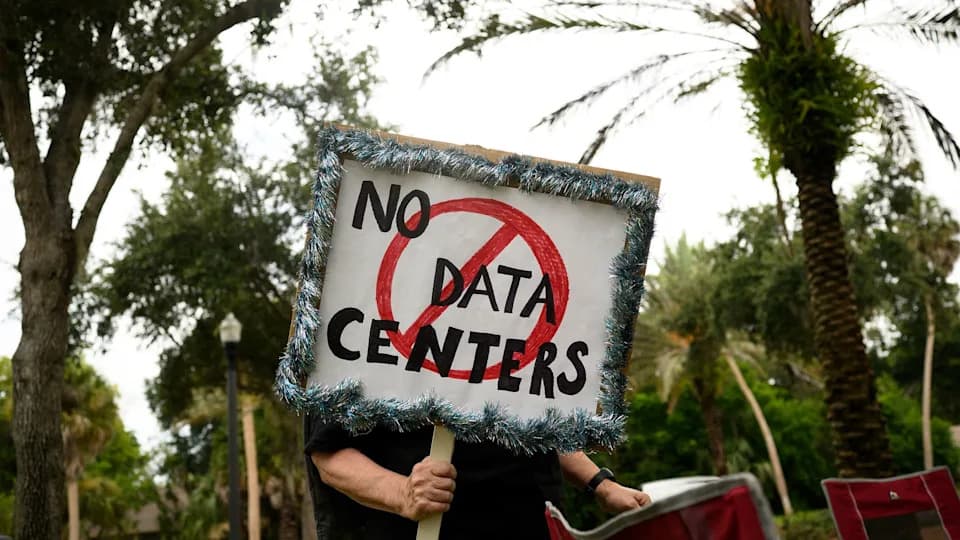
QTS has filed to add 98 diesel backup generators to its Aurora data center, increasing the on-site fleet from 40 to 138 and prompting renewed concerns about ozone in a region already in severe nonattainment. The expanded campus would require at least 160 megawatts of capacity, though total installed generator capacity could reach about 345 megawatts. QTS says it will install selective catalytic reduction systems and sound walls; regulators will open a 30-day public comment period as local officials continue outreach.
Colorado’s Largest Data Center Seeks 98 More Diesel Generators as Ozone and Health Concerns Grow
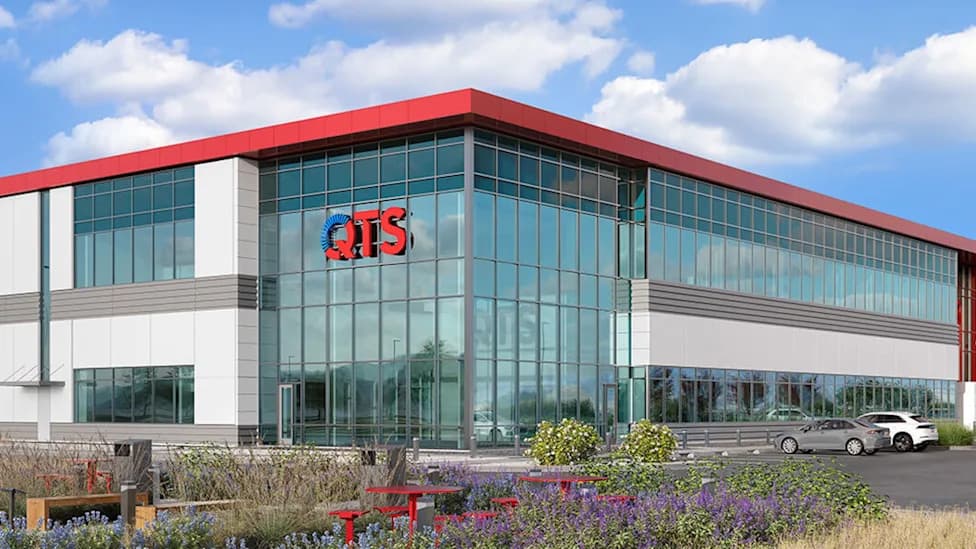
Photo Credit: QTS
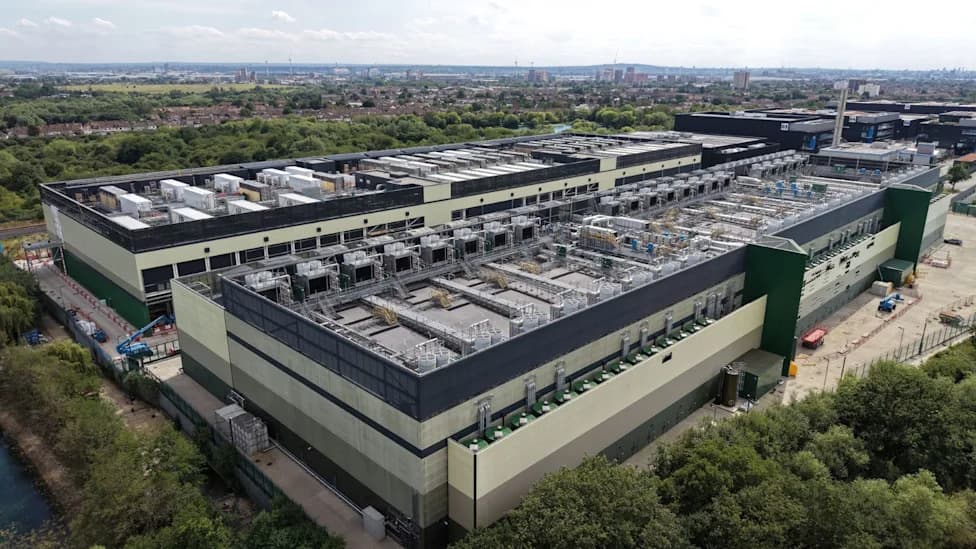
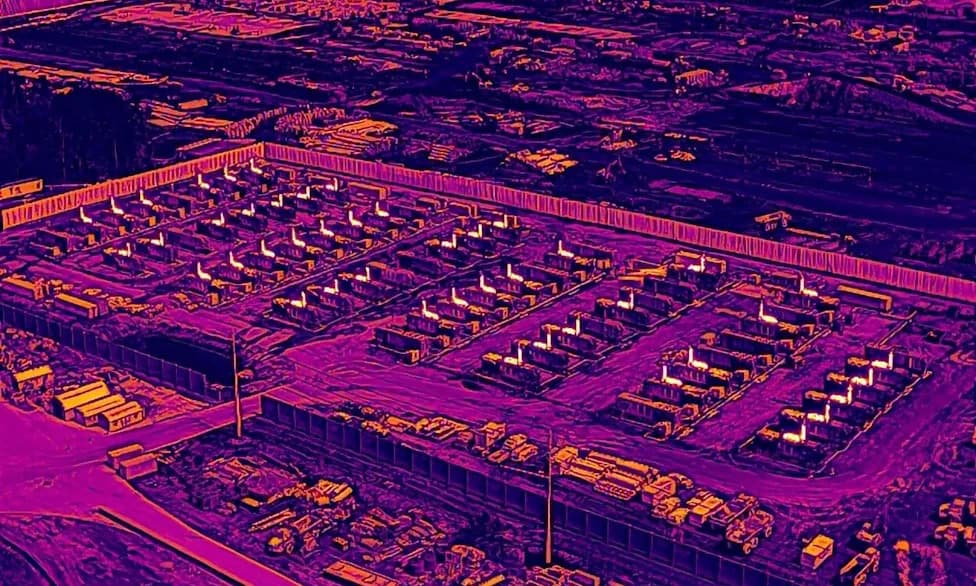
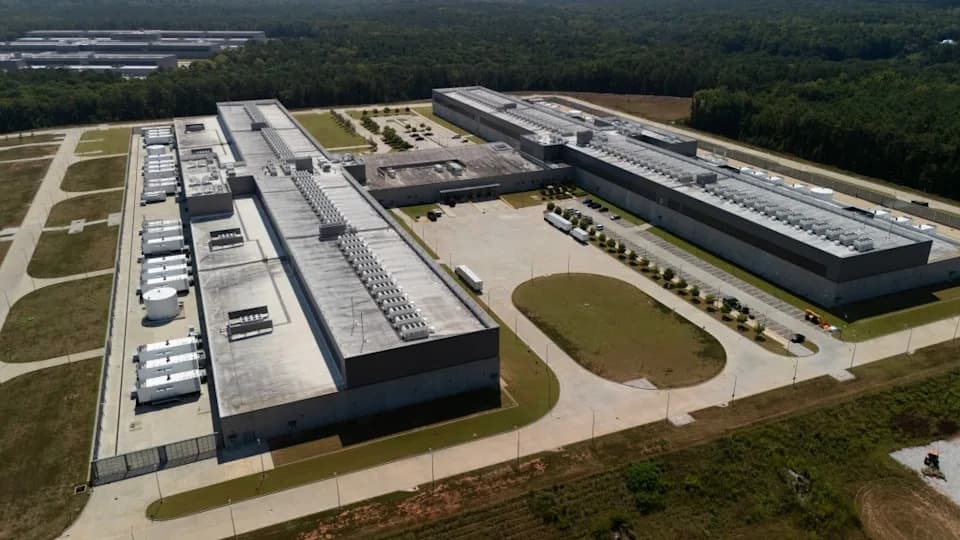
On the outskirts of Aurora, south of Denver International Airport, QTS has filed a permit request to add 98 diesel backup generators to its 65-acre Aurora campus. The expansion would raise the on-site fleet from 40 to 138 units and has reignited local concerns about ozone pollution and public health in a region already designated as severe ozone nonattainment.
What the Proposal Would Do
The July 2025 permit filing says the upgraded campus would require at least 160 megawatts of electrical capacity, making it Colorado's only so-called hyperscale data center above 100 megawatts. At full installed generator capacity, the site could potentially produce roughly 345 megawatts — more than double the campus's stated operational demand, a discrepancy that has attracted scrutiny.
Health, Pollution, And Local Concerns
Critics note that diesel exhaust contains particulate matter and nitrogen oxides (NOx), both contributors to summertime ozone formation and associated respiratory and cardiovascular risks. Opponents and public-health researchers caution that even generators used only for testing or in emergencies can meaningfully increase local pollution levels when aggregated across large facilities.
“The QTS Aurora expansion is a perfect example of why Colorado needs strong statewide data center guardrails,” said Alana Miller, Colorado policy director for the Natural Resources Defense Council. She added that Aurora already faces severe ozone nonattainment and that unchecked diesel emissions could worsen the problem.
QTS Response and Proposed Controls
A QTS spokesperson, Karen Cohen, said the company is trying to reduce local impacts, noting that the backup generators would be used only for limited testing, maintenance, and emergency events, similar to hospital backup systems. QTS also says new units will be fitted with selective catalytic reduction (SCR) systems to reduce NOx emissions and that sound walls are planned to limit noise.
Independent analyses have raised broader concerns about aggregated data-center emissions. A Washington Post review of northern Virginia facilities found that generator usage created measurable health risks, and a UC Riverside–Caltech study (still undergoing peer review) estimated data-center pollution could be associated with as many as 1,300 premature deaths annually by 2030 if current trends continue.
Water Use, Cooling, And Local Impact
Water use is another point of comparison. Aurora Water deputy director Shonnie Cline said the QTS site uses roughly 2,400 gallons per day and relies on closed-loop cooling rather than evaporative systems. Still, large data centers can strain local infrastructure, including power grids and water supplies, as demand for cloud and AI services grows.
Regulatory Review And Public Input
State regulators in the Air Pollution Control Division are reviewing the permit application. A 30-day public comment period is expected to open soon. Aurora City Councilmember Amy Wiles hosted a town hall and described it as constructive while acknowledging residents raised valid concerns. Air Pollution Control Division director Michael Ogletree said the agency will ensure ample opportunities for public input.
As the QTS proposal moves through review, the debate highlights wider questions about how to balance the economic benefits of large-scale data centers with environmental protections, public-health risks, and community impacts.
Help us improve.