The recent water-main breaks and sinkholes in Los Angeles expose long-standing neglect of essential infrastructure. A roughly 110-year-old pipe and national data showing that ~20% of water mains are past their useful life underscore the urgency. While the city has spent heavily on homelessness programs like "Inside Safe," road resurfacing, sidewalks and alleys have lagged, creating safety risks and greater long-term costs. The author calls for clearer priorities, more transparent maintenance records and multiyear infrastructure plans.
LA’s Burst Water Mains Reveal Years of Neglect — A Call to Fix Core Infrastructure
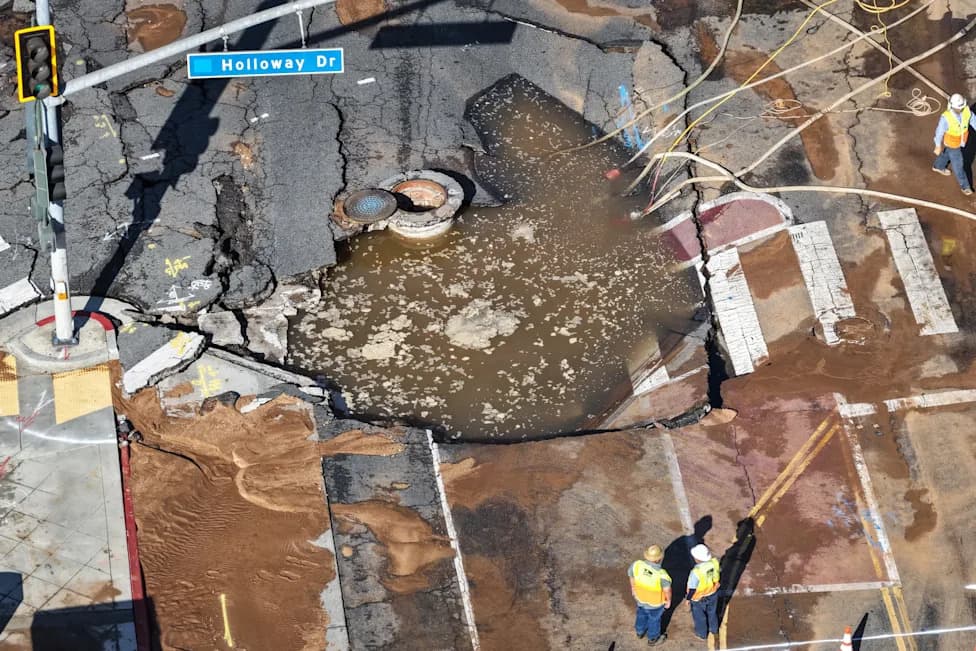
Aerial view of utility workers near a sinkhole and flooded street from a water main break on Sunset Boulevard in West Hollywood.
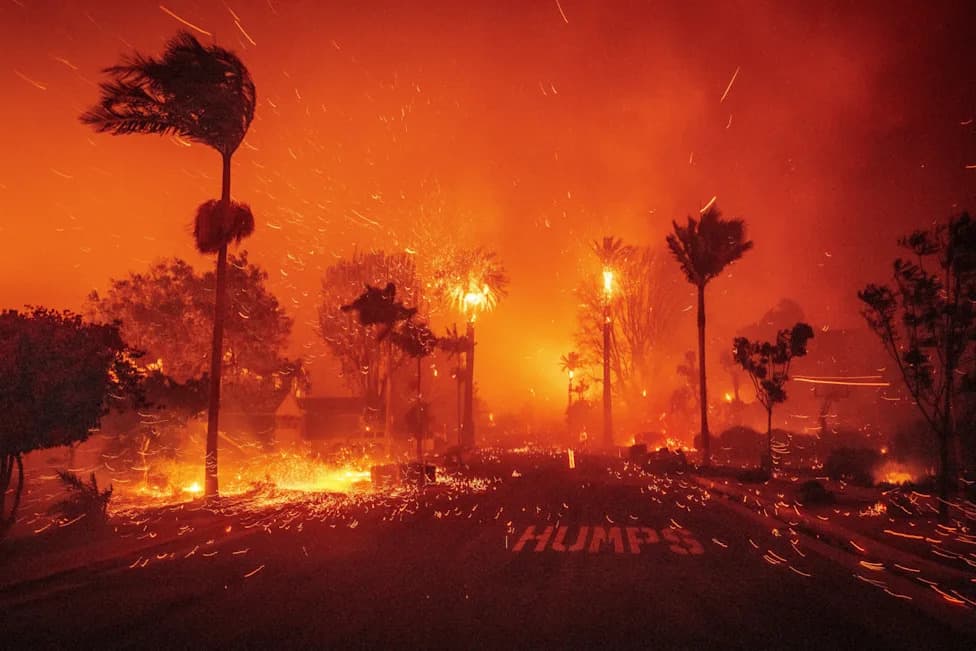
Los Angeles’s recent series of water-main breaks and sinkholes is more than a string of isolated accidents: it is the visible evidence of years of underinvestment in core city infrastructure. The same pattern of neglect that contributed to the Pacific Palisades fire last year appears to persist, and the consequences are showing up in streets, sidewalks and alleys across the region.
What Happened
Earlier this month, ruptured water lines produced three sinkholes in different parts of the city. One appeared on Sunset Boulevard—arguably the city's most recognizable thoroughfare—near West Hollywood, though the surrounding neighborhoods share the same aging systems. The failed pipe in this incident was roughly 110 years old.
Why It Matters
These incidents are not random. They reflect deferred maintenance, competing budgeting priorities and a patchwork approach to public works. While officials focus on a range of social programs, the physical systems that keep a city functioning—water mains, streets, sidewalks and alleys—are showing their age and threatening public safety and commerce.
Infrastructure Under Strain
Water Mains: The American Society of Civil Engineers (ASCE) estimates that about 20% of water mains in the U.S. and Canada have exceeded their useful life—roughly 450,000 miles of pipe. Los Angeles, with many century-old mains, is particularly exposed.
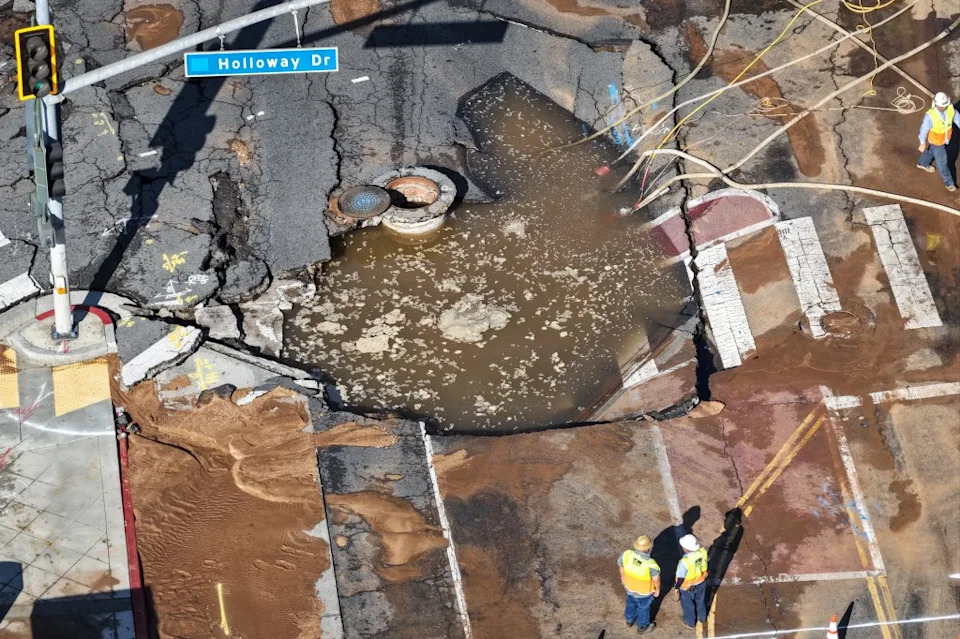
Aerial view of utility workers near a sinkhole and flooded street from a water main break on Sunset Boulevard in West Hollywood. Getty Images
Roads: After an eight-month pause in resurfacing, the city repaved only 60–100 lane miles last year, down from 312 lane miles the year before. With an estimated 23,000 lane miles in Los Angeles, typical maintenance cycles imply roughly 920 lane miles should be resurfaced annually to maintain an acceptable condition.
Sidewalks: The city has an estimated 9,000–11,000 miles of sidewalks but lacks a comprehensive annual record of repairs. Potholes, heaved slabs and uneven pavement create safety hazards, increase liability, and impose medical and legal costs on residents.
Alleys: Often overlooked, alleys are critical service corridors for deliveries and local businesses. Chronic neglect damages vehicles, creates safety hazards and interrupts commerce.
Budget Choices And Trade-Offs
Los Angeles has spent billions on homelessness programs such as Mayor Karen Bass’s "Inside Safe" initiative, which leases hotel and motel rooms as temporary housing. Despite the large expenditures, official counts show homelessness rose in the last year. Critics argue that benefits and services, combined with inadequate treatment for substance use and mental illness, can make it harder to reduce chronic homelessness.
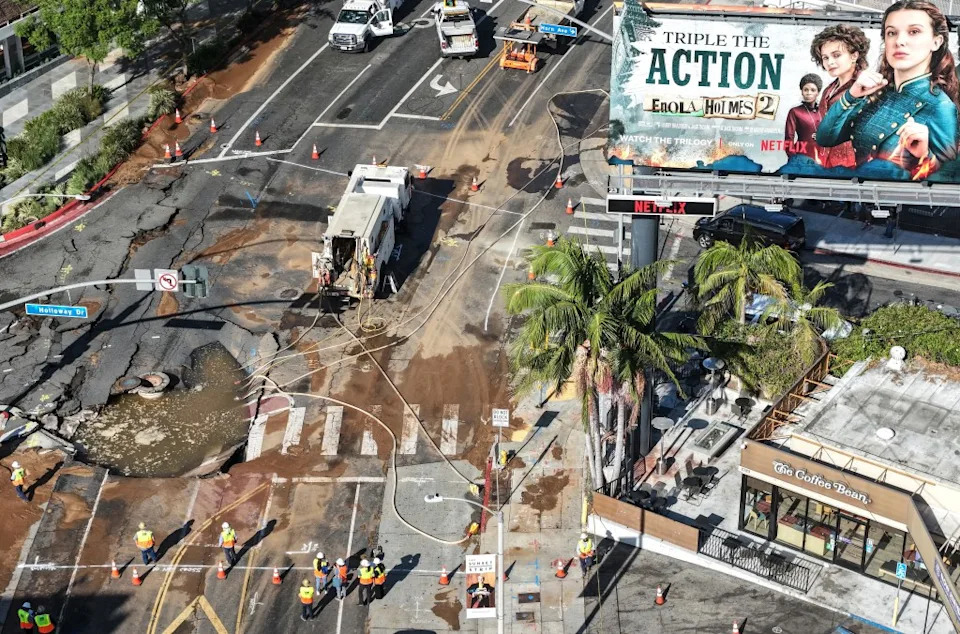
Aerial view of a sinkhole on Sunset Boulevard where a water main break flooded surrounding streets. Getty Images
The tension is stark: significant public funds are committed to social programs while deferred maintenance on physical infrastructure compounds long-term costs and risks.
What Should Be Done
City leaders should rebalance priorities by stabilizing funding for infrastructure repair, increasing transparency about maintenance and settlement costs, and coordinating housing and mental health services with long-term strategies to reduce chronic homelessness.
Specifically, the city should develop multiyear plans to replace aging water mains, restore regular road-resurfacing schedules, create a comprehensive sidewalk repair ledger, and include alley maintenance in capital planning. These steps would reduce hazards, lower long-term repair costs and improve quality of life for residents and businesses.
Conclusion
Los Angeles can address both its human and physical challenges, but it will require elected officials to make difficult budget and policy choices. Voters should demand transparency, accountability and a clear plan to repair the city’s infrastructure while continuing to invest in humane, evidence-based approaches to homelessness and public health.
Bruce Bialosky, a former presidential appointee, is a certified public accountant who specializes in taxes.
Help us improve.