The July 4 storms knocked out power for hundreds of thousands in Michigan and prompted investigations into two suspected generator-related carbon monoxide incidents that killed three children. Officials say the deaths appear linked to generator exhaust, and public-health experts warn that children are particularly vulnerable. Consumer Reports and the CDC recommend using generators outdoors at least 20 feet from homes, running battery CO detectors, turning off and cooling before refueling, and considering transfer switches or battery or standby backups to reduce risk.
Three Children Die in Michigan Blackouts; Officials Warn of Deadly Generator Carbon Monoxide
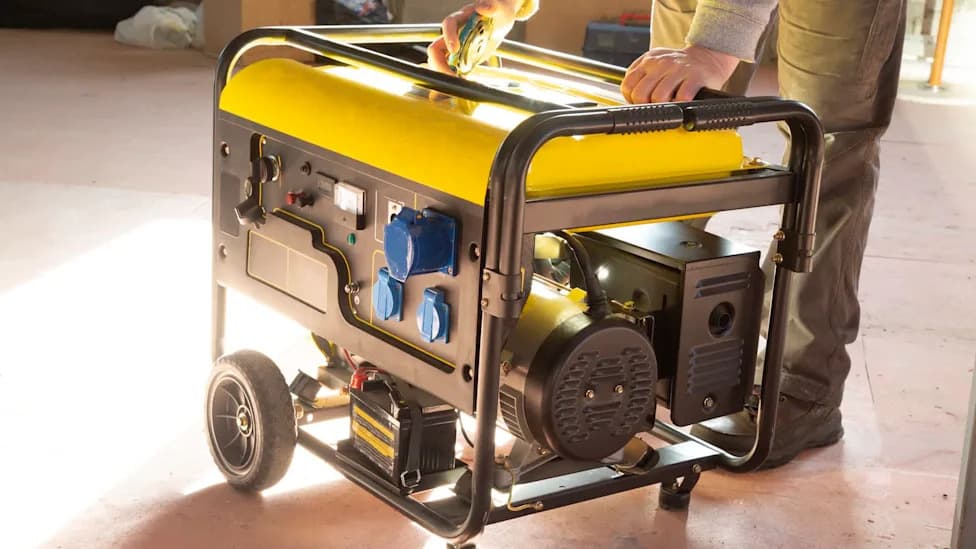
Photo Credit: iStock
Severe storms over the July 4 weekend left hundreds of thousands of Michigan residents without power and prompted investigators to open probes into two suspected generator-related carbon monoxide incidents that killed three children.
What Happened
Local media and police reports say Wayne County experienced two tragic emergencies during the outage. In Melvindale, a 16-year-old boy was found dead in a home where a generator was operating in the basement. In Sumpter Township, first responders discovered two children, ages 8 and 12, in a garage where a generator had been running. Authorities said the deaths appear linked to carbon monoxide from generator exhaust (Detroit Free Press; WXYZ).
Why Children Are More Vulnerable
Health experts note that children are especially vulnerable to carbon monoxide because they typically breathe faster than adults and their smaller bodies absorb a larger proportion of the gas (Mayo Clinic). Carbon monoxide is odorless and can build up quickly in enclosed or poorly ventilated spaces, making portable generators particularly dangerous when used improperly.
Key Safety Recommendations
- Use Generators Outdoors Only: Never run a portable generator inside a home, garage, basement or other enclosed space.
- Position It Safely: Place the generator at least 20 feet from the home with exhaust pointed away from windows, doors and vents (Consumer Reports).
- Protect From Weather Properly: Don’t run a generator in the rain unless it’s sheltered by a purpose-built, well-ventilated generator tent.
- Refuel Safely: Turn the generator off and let it cool completely before refueling.
- Carbon Monoxide Detection: Always use a working battery-operated CO detector inside the home while a generator is running nearby. Consider models with built-in CO shutoff technology, but note that such features do not make it safe to run a generator indoors or close to the home.
- Electrical Safety: Install a transfer switch to power hardwired appliances safely and avoid the hazards of feeding generator power into home wiring through a wall outlet. Improper connections risk backfeeding, fires, and danger to utility workers.
- Consider Alternatives: Battery-backed systems or professionally installed standby generators reduce many of the risks associated with portable gas units.
What To Do If You Suspect CO Exposure
Symptoms of carbon monoxide poisoning include headache, dizziness, nausea, shortness of breath, confusion and loss of consciousness. If anyone shows these signs, move them immediately to fresh air and call 911. Seek medical attention even if symptoms seem mild.
The Centers for Disease Control and Prevention estimates that more than 400 people die from carbon monoxide poisoning each year in the U.S.; these recent deaths underscore the serious dangers of improper generator use (CDC).
Officials continue their investigations. For now, emergency-response and public-safety organizations urge households to follow established generator safety guidance to protect family members—especially children—during outages.
Help us improve.