The Pew Research Center found that a 2025 data-sharing agreement between the Tulalip Tribes and the Washington State Department of Health strengthened tribal data sovereignty and may serve as a model for other jurisdictions. Tulalip Chairwoman Teri Gobin called the deal a major step after decades of exclusion. Pew’s interviews emphasize that tribes should lead negotiations, DOH staff must understand sovereignty, and tribal-led data sovereignty training could shape future policy.
Pew: Tulalip-Wash. State Data-Sharing Pact Advances Tribal Data Sovereignty — Tribal Voices Must Lead
Data Sharing Agreements Must Be Led by Tribal Voices, According to Pew Report
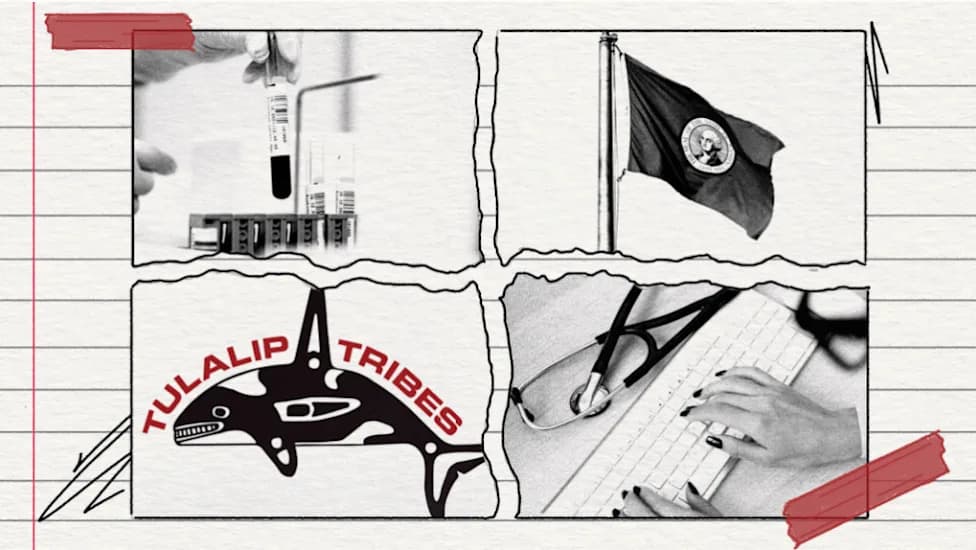
A landmark 2025 data-sharing agreement between the Tulalip Tribes and the Washington State Department of Health (DOH) has strengthened tribal data sovereignty and created a potential model for other tribes and states, the Washington, D.C.-based Pew Research Center found.
What the Agreement Does
The agreement gives the Tulalip Tribes controlled access to multiple state public health databases and was developed in collaboration with the Governor's Indian Health Commission and the American Indian Health Commission (AIHC). Its terms are intended to allow tribes to lead outbreak investigations, set local health priorities, and identify systemic failings that contribute to poor health outcomes among people living in tribal jurisdictions.
Voices From the Tribe
"For years paternalism towards Indigenous people has locked tribes out of information gathered from us and about us," Tulalip Chairwoman Teri Gobin said in a press release announcing the agreement. "Transparency and informed consent are vital to collaboration. Tribes have an inherent right to own data about us and determine how the data is collected, shared, and used."
Key Findings From Pew
Pew recently published findings based on interviews with Tulalip leaders, Washington State health officials, and third-party facilitators to identify what contributed to the pact’s success. Interviewees told Pew that excluding tribes from vital public health data had clear harms — a deficiency made painfully obvious during the COVID-19 pandemic when many tribes lacked timely information on hospitalizations, deaths, and contact tracing.
Those interviewed emphasized that tribal representatives should not merely be included in conversations but should lead negotiations over data-sharing agreements. They said DOH staff must understand tribal sovereignty and be prepared to adapt policies to meet tribes’ stated needs. One DOH employee who worked on the agreement is a tribal citizen and helped bridge long-standing trust gaps between the state and the tribe.
Building Shared Understanding
The AIHC worked with the Department of Health to build a shared foundation about tribal jurisdiction and the application of Indian law to public health data — topics that are often overlooked or misunderstood. AIHC found that the DOH had at times treated tribes differently from local health departments under the mistaken assumption that tribes should only access data about enrolled citizens rather than everyone living within tribal jurisdiction.
The agreement also requires Department of Health staff to undergo data sovereignty training led by an internal tribal data team, a step that interviewees say could influence future department policies and improve long-term collaboration.
Why It Matters
Advocates and officials say the agreement represents a forward step toward correcting historical exclusions that have contributed to inequities and poor health outcomes in Native communities. By centering tribal leadership and legal understandings of sovereignty, the Tulalip-Washington agreement offers a practical roadmap for other jurisdictions seeking respectful, effective data partnerships with tribes.
Help us improve.