A viral video from Kenya-based Save The Elephants shows elephants returning to and interacting with the remains of deceased herd members, including an individual that died almost two years earlier. Observers report sniffing, touching and attempts to move bones, behaviors consistent with long-term social memory and possible mourning. Conservationists say documenting these interactions helps build public support for stronger protections amid threats like habitat loss, human–wildlife conflict and poaching.
Viral Footage Shows Elephants Returning To Their Dead — Sniffing, Touching And Even Moving Remains
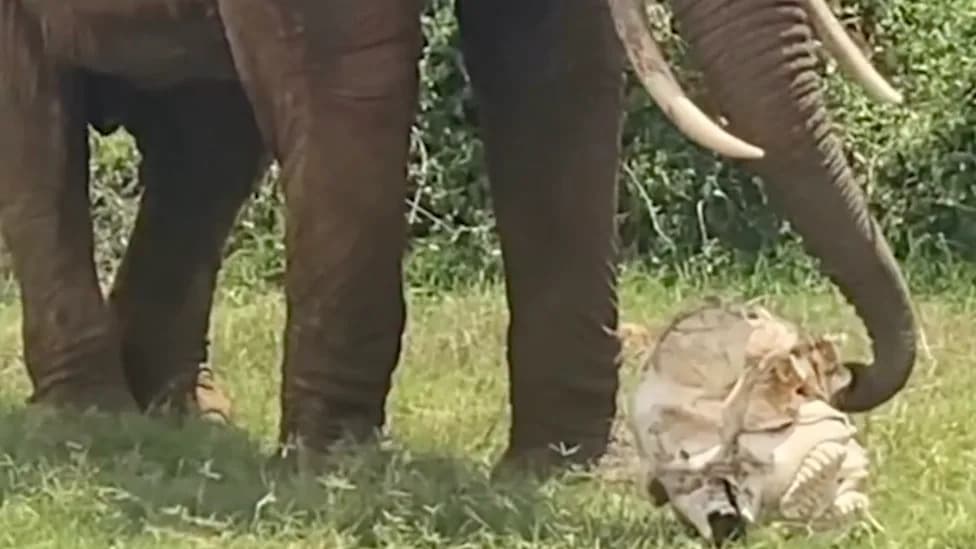
Photo Credit: Instagram
Grief Is Not Unique To Humans. A recently circulated video and long-term field observations highlight how elephants repeatedly return to the remains of deceased herd members and interact with them in ways that suggest persistent social memory and attention.
What The Video Shows
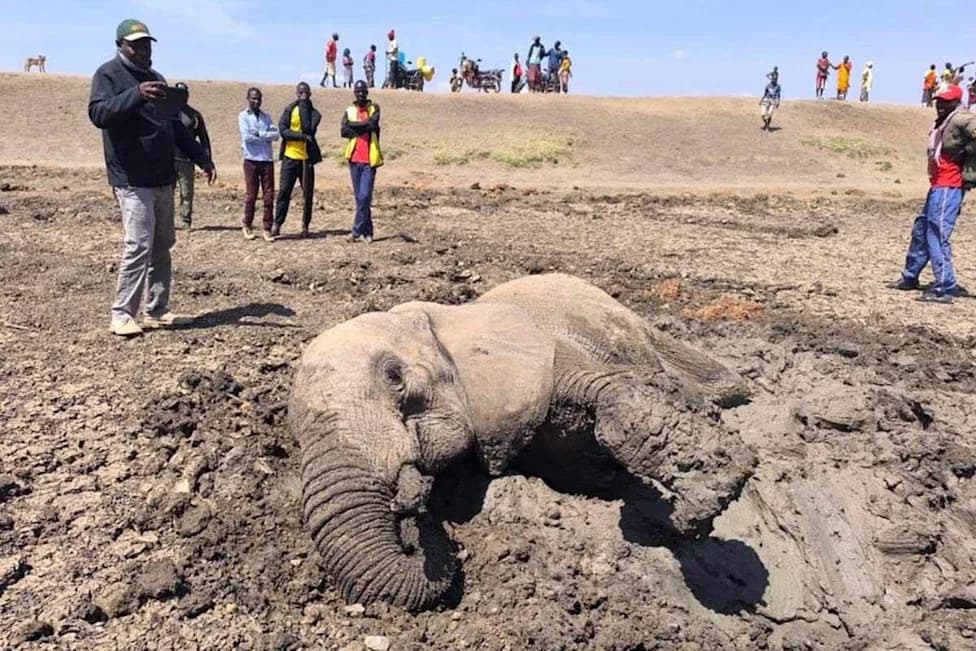
In an Instagram post, the Kenya-based conservation group Save The Elephants shared footage of an elephant investigating the skull of a conspecific that had died nearly two years earlier. Observers report that elephants commonly sniff, touch and sometimes attempt to move bones and other remains — behavior the group describes as evidence that elephants are 'known to mourn their dead.'
Why This Matters
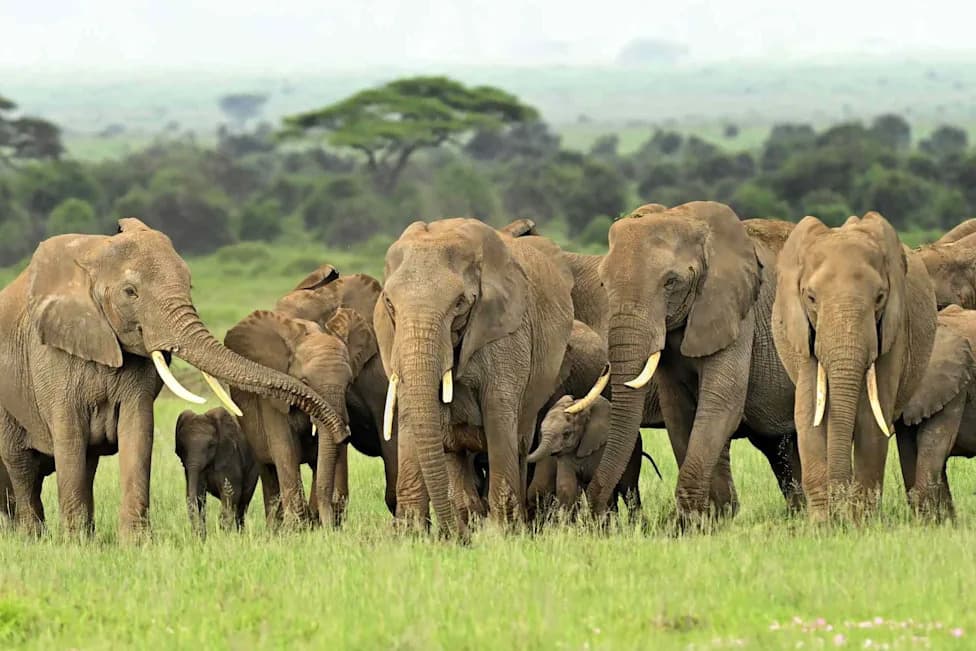
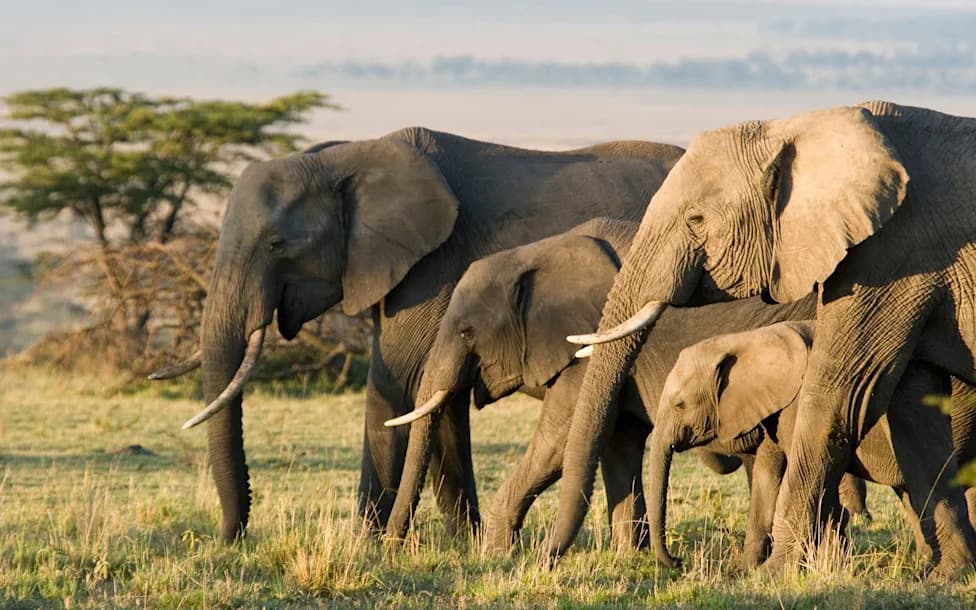
Elephants are highly social animals whose survival depends on shared knowledge passed across generations. The loss of a single individual can ripple through a family group, altering social structure and reducing the collective knowledge that helps herds find water, avoid danger and navigate changing landscapes.
Save The Elephants: 'Our research has shown that they often sniff, touch and even try to move the remains of deceased elephants, regardless of whether they knew the individual well or not.'
Documenting these behaviors moves the conversation beyond anecdote: careful field observation combined with public education helps researchers and conservation groups make the emotional and social complexity of elephants visible to policymakers and the public. That visibility can translate into stronger protections against threats such as habitat loss, human–wildlife conflict and poaching.
Conservation Takeaway
Videos like this one add to a growing body of evidence that supports measures to protect elephant populations and their habitats. By understanding how elephants form and maintain social bonds — and how loss affects entire groups — conservationists can better advocate for policies that preserve both animals and the knowledge they carry.
Help us improve.