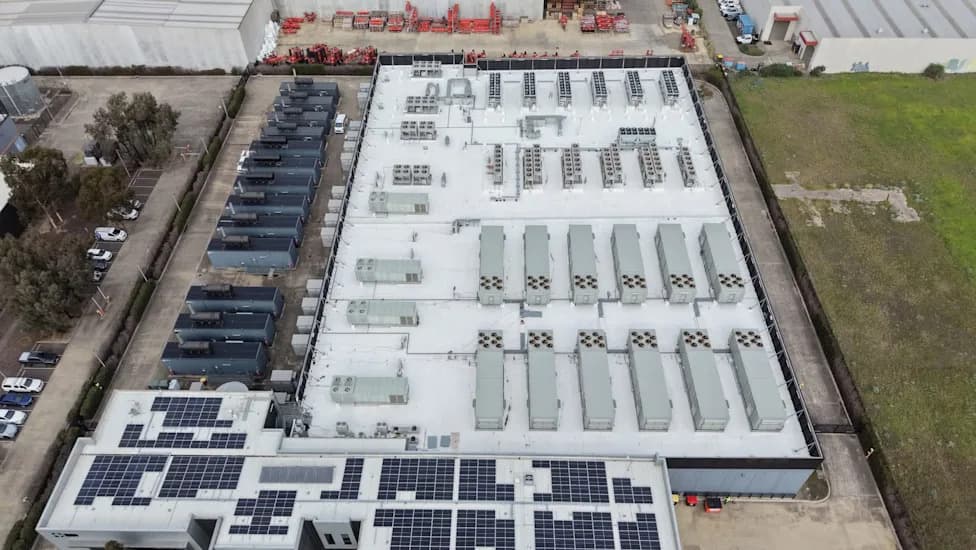
The University of Pittsburgh will head a DOE-funded effort to fuse AI with measurement-based quantum computing to accelerate discoveries in chemistry, materials science and energy. Led by Youtao Zhang, the project will build specialized AI agents to design, optimize and verify quantum computations and workflows. Collaborators include Junyu Liu, Xulong Tang, Virginia Tech and Argonne National Laboratory as part of the DOE Genesis Mission.
Pitt to Lead DOE-Backed Project Using AI to Automate Measurement-Based Quantum Computing
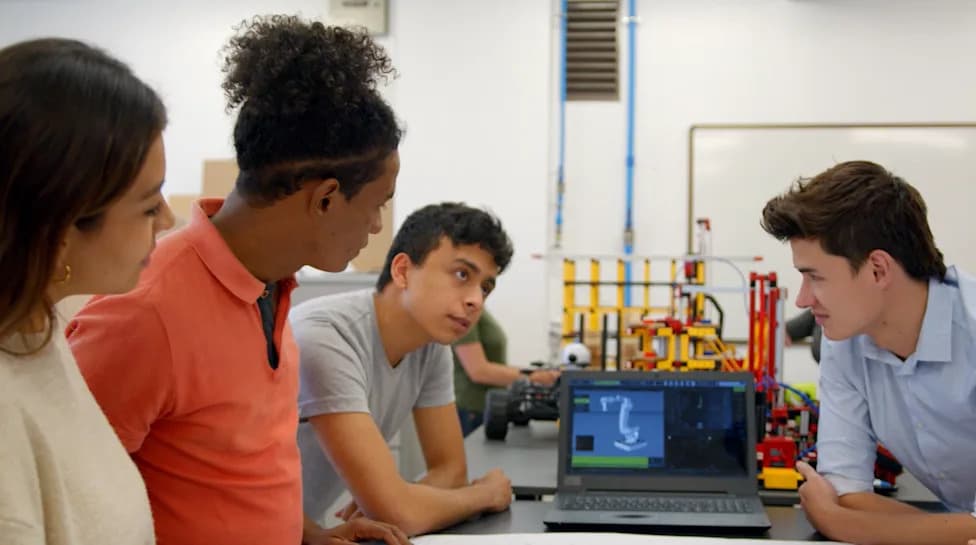
Pitt leads AI‑quantum project in DOE’s Genesis Mission
The University of Pittsburgh will lead a Department of Energy-funded research effort that combines artificial intelligence with an alternative form of quantum computing to accelerate scientific discovery in chemistry, materials science and energy.
Project Lead: The initiative is led by Youtao Zhang, professor in Pitt's School of Computing and Information, with support from Pitt faculty including assistant professor Junyu Liu and associate professor Xulong Tang. Collaborators include researchers at Virginia Tech and Argonne National Laboratory.
What the Team Will Do
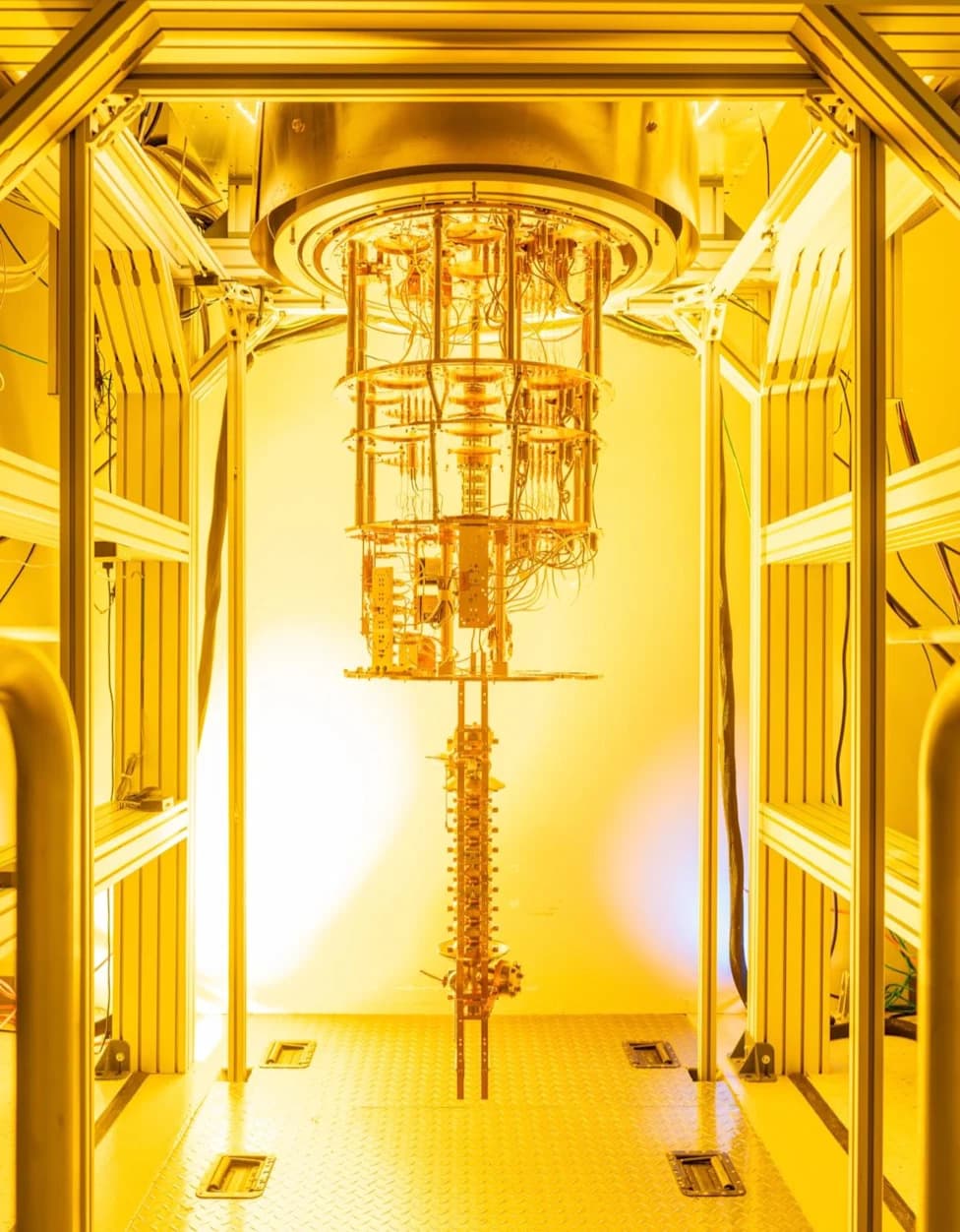
Unlike traditional circuit-based quantum computing, which typically couples qubits in isolated pairs, the project focuses on measurement-based quantum computing (MBQC), an approach that uses large, interconnected networks of qubits. MBQC can offer unique advantages for certain problems but also creates new computational and algorithmic challenges.
To address those challenges, the team will develop specialized AI agents to automate tasks across the research pipeline: designing and optimizing MBQC workflows, selecting and scheduling measurements, verifying computation results, and tuning algorithms to work efficiently with available hardware and high-performance computing resources.
"We're building AI that can automatically design, optimize and verify measurement-based quantum computing, automatically discovering better ways to build quantum computations," Zhang said. "By automating the workflow, the project aims to accelerate discoveries in chemistry, materials science and energy."
Technical Challenges and Goals
Measurement-based architectures demand substantial compute power and new algorithmic tools to interpret complex measurement outcomes and to map scientific problems onto quantum resources. The research combines AI, supercomputing, and quantum systems to shorten discovery cycles and to develop practical methods that can be deployed on future quantum hardware.
The work is part of the DOE's Genesis Mission, a national initiative that seeks to speed breakthroughs in energy and scientific discovery by integrating AI, advanced computing, quantum technologies and scientific instruments.
Publication Note: The university issued a community announcement describing the project's goals and partners. This article was produced with the assistance of artificial intelligence; human journalists participated in information gathering, review, editing and publication.
Help us improve.