South Carolina pediatricians warn that edits to the CDC's vaccine-and-autism webpage risk implying uncertainty where decades of research show none. Multiple large studies and systematic reviews—including a 2014 meta-analysis of over 1.2 million children and 2021 reviews by Cochrane and AHRQ—find no link between vaccines (including MMR) and autism. The physicians say unclear messaging endangers public trust, contributes to vaccine hesitancy, and can lead to preventable outbreaks. They call for clear, evidence-based communication and renewed focus on research and support for families affected by autism.
South Carolina Pediatricians Urge Clear, Evidence-Based CDC Guidance on Vaccines and Autism

Senator Bill Cassidy, a Republican from Louisiana and chairman of the Senate Health, Education, Labor, and Pensions Committee, during a confirmation hearing in Washington, DC, US, on Wednesday, July 15, 2026. The US Centers for Disease Control and Prevention director nominee said she accepts the scientific evidence vaccines don't cause autism, in a confirmation hearing with US senators that focused largely on whether she'd push back on political pressure to promote anti-vaccine views. Photographer: Graeme Sloan/Bloomberg via Getty Images
Parents deserve straightforward, evidence-based answers about vaccines. They should be able to speak with physicians who listen to their concerns, explain the science and support informed choices. Above all, families need assurance that leading public health institutions are conveying solid science—not implying uncertainty where none exists.
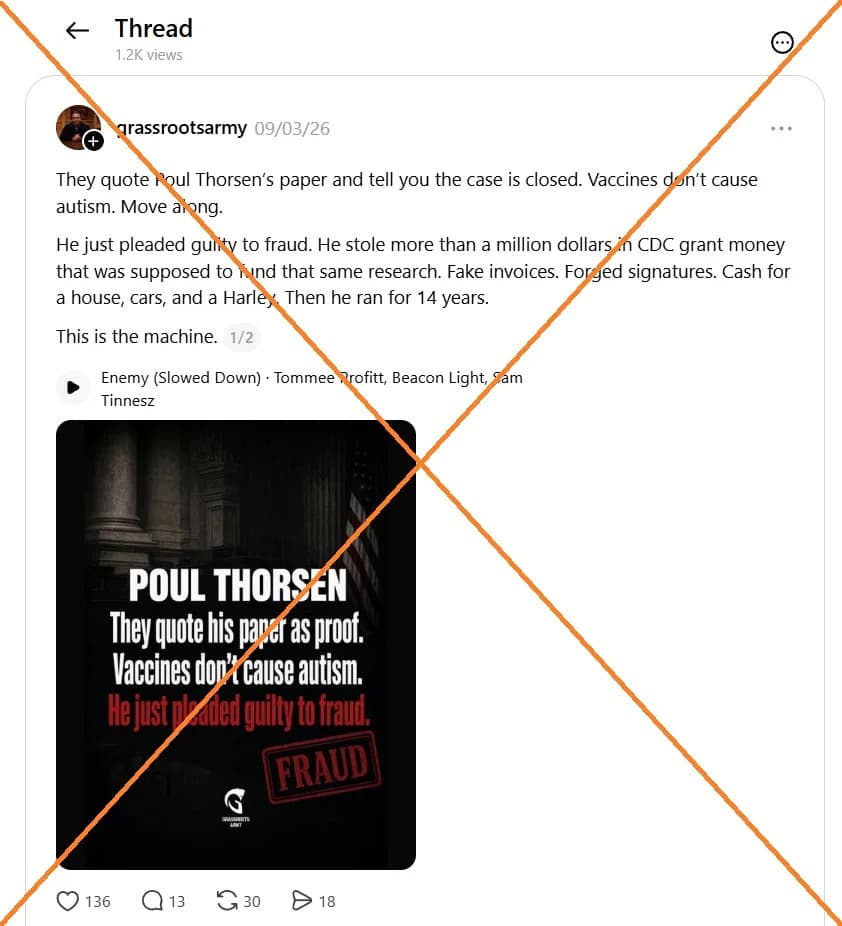
Vaccines do not cause autism. That conclusion remains supported by decades of rigorous research. Recent edits to the Centers for Disease Control and Prevention (CDC) webpage about vaccines and autism, which media reports said downplayed that clear conclusion, have alarmed pediatricians and public-health experts because such language risks undermining public trust.
Evidence From Decades Of Research
The conclusion that vaccines are not a cause of autism does not rest on a single study or authority. It follows from large, well-designed investigations conducted worldwide using multiple methods and involving millions of children.
Key reviews and studies include:
- Taylor et al. (2014) — a meta-analysis pooling data from more than 1.2 million children in cohort studies and nearly 10,000 children in case-control studies found no association between vaccination and autism spectrum disorder, no link between the MMR vaccine and autism, and no evidence that thimerosal-containing vaccines or mercury exposure increased autism risk.
- Cochrane Review (2021) — examined studies of MMR, MMRV and varicella vaccines and found no evidence connecting MMR vaccination with autism spectrum disorder.
- AHRQ Systematic Review (2021) — an updated review of 338 studies identified from more than 56,000 citations concluded with high-strength evidence that MMR vaccination does not increase autism risk.
"Study after study, conducted by different investigators using different methodologies in different populations, has reached the same conclusion."
Why Clear Communication Matters
Trust is one of the most valuable assets in medicine. It takes years to build and moments to erode. When government agencies imply uncertainty about questions that decades of evidence have answered, they risk weakening public confidence and contributing to vaccine hesitancy.
The consequences are real: communities with declining vaccination coverage experience outbreaks of vaccine-preventable diseases. In South Carolina—where nearly 1,000 measles cases occurred before May of this year—each case triggers public-health investigations, exposure notifications, quarantine guidance, missed school and work, and heightened fear among families with infants, immunocompromised children, or others who cannot be fully protected by vaccination.
A Call To Action
Pediatricians and public-health professionals call on agencies to:
- State the evidence clearly and consistently: Vaccines do not cause autism.
- Provide transparent explanations and answers to parental concerns grounded in the best available science.
- Focus research, funding and policy on the real priorities for families affected by autism—improved understanding of causes, earlier diagnosis, broader access to evidence-based therapies, and lifelong support.
Our duty as clinicians is to advocate for children and give families accurate information. When misinformation—intentional or inadvertent—threatens child health, we must speak plainly: vaccines save lives, and the evidence linking vaccines to autism does not exist. Children and families deserve public conversations and policies that reflect those truths.
Help us improve.