European governments have reduced overseas aid, with the EU cutting its aid budget by 13.8% in 2025 and member states’ contributions down nearly 10% on average. The UK’s country-by-country plans indicate some countries—most notably Malawi—could lose over 90% of aid by 2029. Analysts warn these combined cuts, alongside changes to U.S. aid policy, may worsen health crises and instability, and the Center for Global Development links USAID-era reductions to hundreds of thousands of deaths in Africa.
Europe Cuts Overseas Aid as Global Development Funding Falls
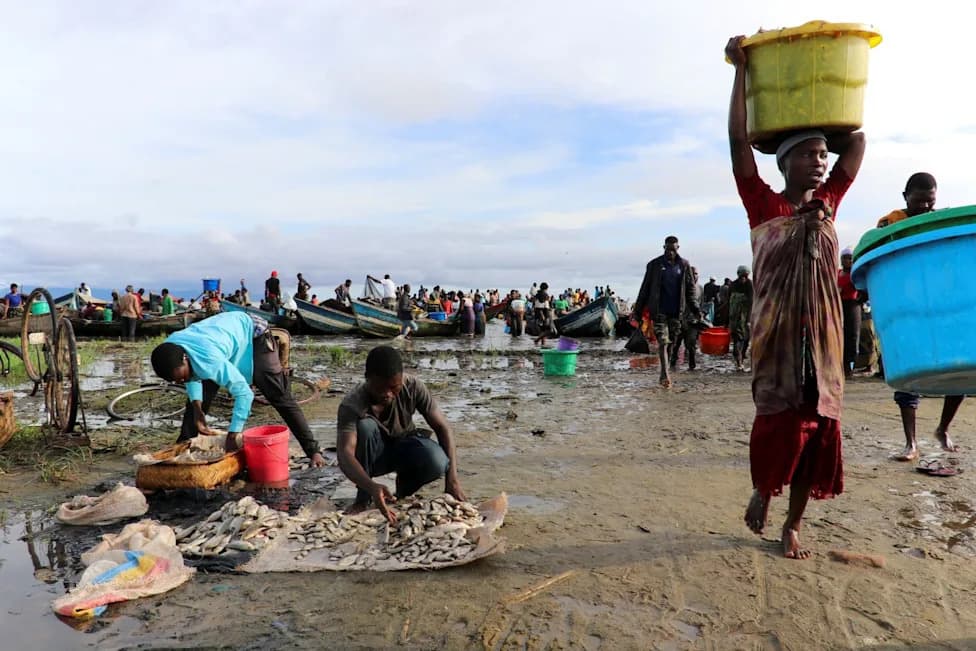
Europe cuts overseas aid budgets
European governments are sharply trimming overseas aid, adding to broader declines in international development funding that follow recent shifts in U.S. policy.
What the Numbers Show
New figures reported by World Politics Review indicate the European Union reduced its official aid budget by 13.8% in 2025, while average bilateral contributions from EU member states fell by almost 10%. At the same time, the UK has published country-by-country spending plans outlining how previously announced cuts will be implemented.
Who Will Be Affected
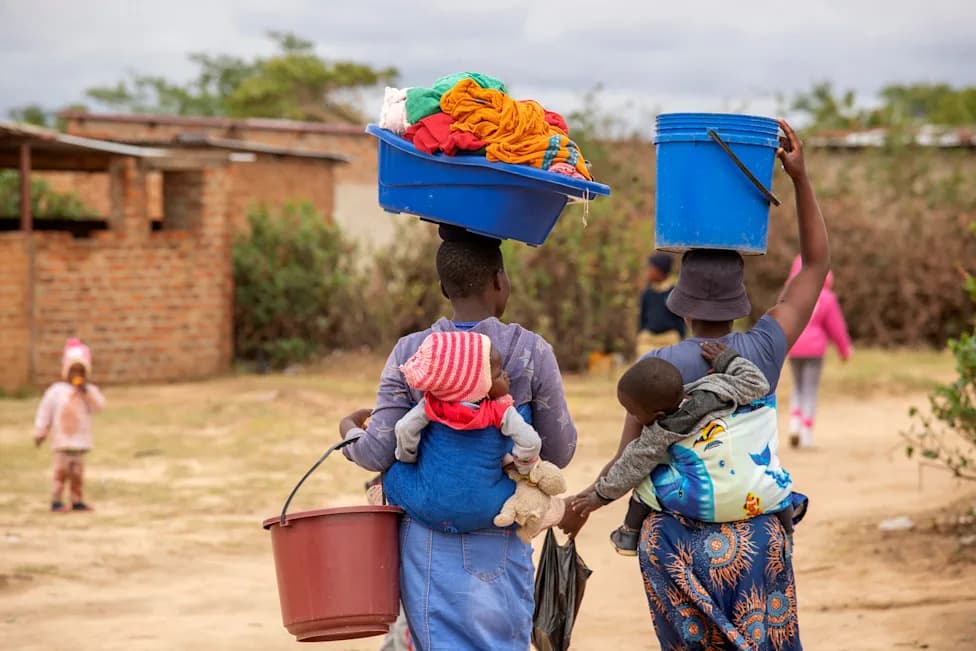
Those UK plans show that some African recipients will face dramatic reductions in support: Malawi, for example, is scheduled to see aid inflows fall by more than 90% by 2029. Such steep cuts risk undoing development gains in health, education and stability in vulnerable countries.
Debate Over Humanitarian Impact
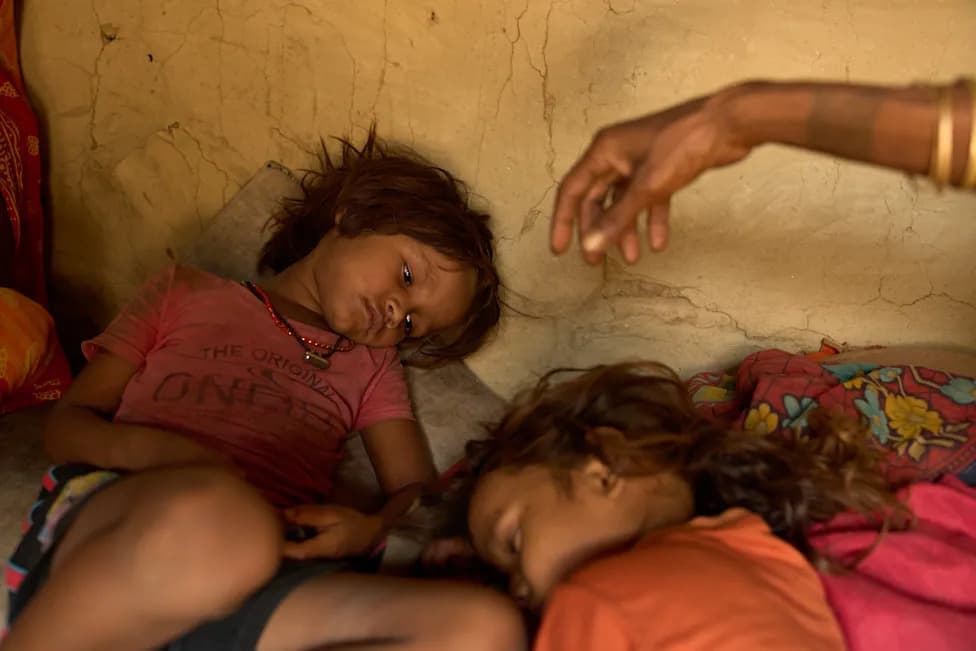
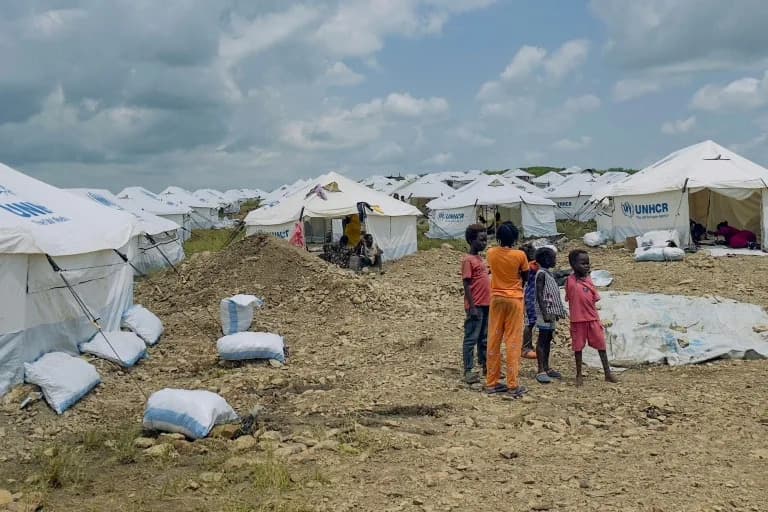
The scale of the humanitarian and public-health impact is debated. Some analysts warn that reduced aid will exacerbate disease burdens, food insecurity and political instability. The Washington-based Center for Global Development has estimated that cuts to USAID-era programs have been associated with hundreds of thousands of deaths and contributions to increased conflict in parts of Africa—though other experts urge caution in attributing causality solely to aid reductions.
U.S. Policy Context
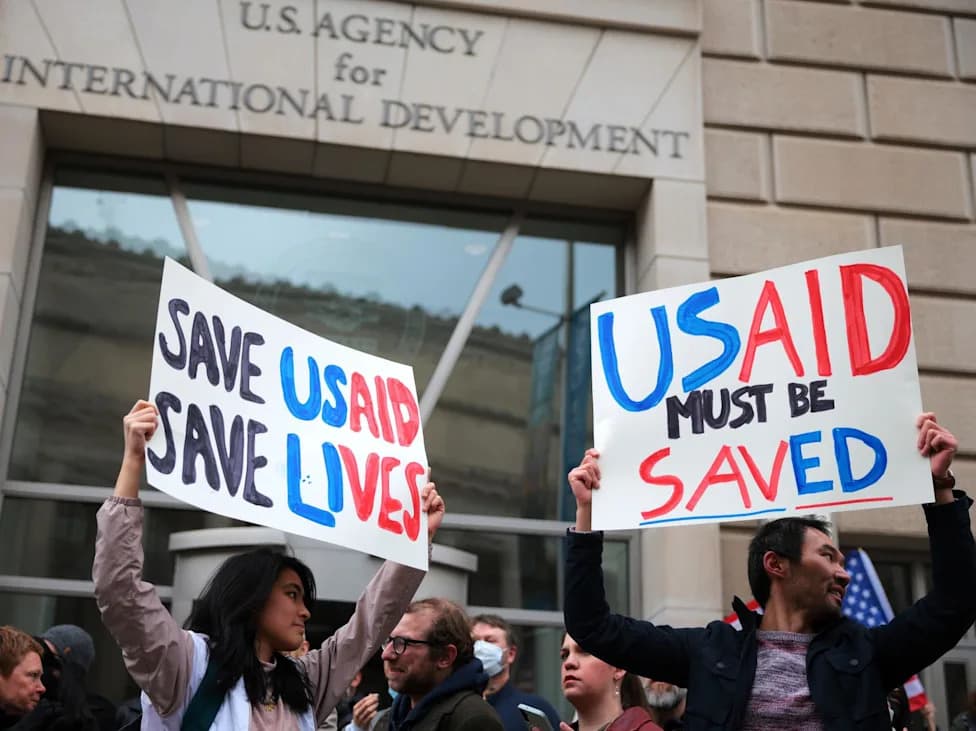
In the United States, proposals to restructure or scale back the U.S. Agency for International Development (USAID) under recent administrations intensified pressure on global aid financing and shifted the landscape for bilateral assistance.
Bottom line: A simultaneous pullback by major donors in Europe and policy shifts in the U.S. are reducing predictable funding for development programs—heightening risks for health, stability and long-term development in low-income countries.
Help us improve.