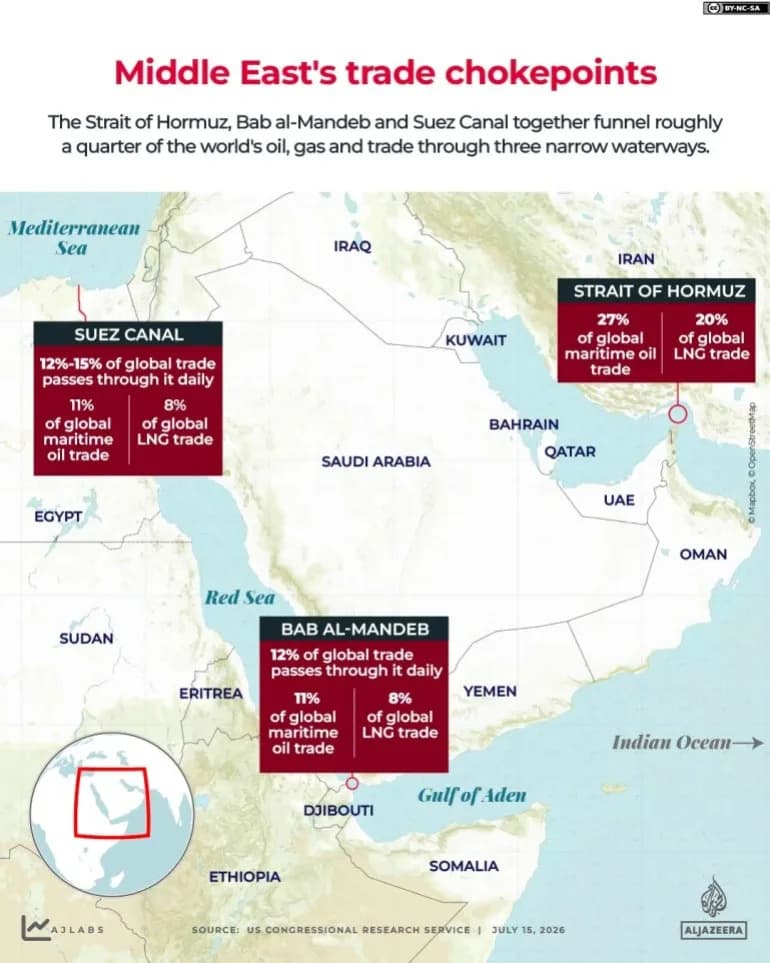
Yemeni foreign minister-designate Afrah al-Zouba warned that the Iran-backed Houthis aim to emulate Iran's Strait of Hormuz strategy by targeting Bab al-Mandeb, a key Red Sea chokepoint. Such action could disrupt roughly 30% of container traffic and 12–15% of global trade. The July escalation—Houthi-declared maritime sieges and missile/drone strikes—has prompted Saudi air strikes on Hodeidah and clashes along front lines.
Yemen Warns Houthis Aim To Replicate Iran’s Strait Of Hormuz Strategy, Threatening Red Sea Trade

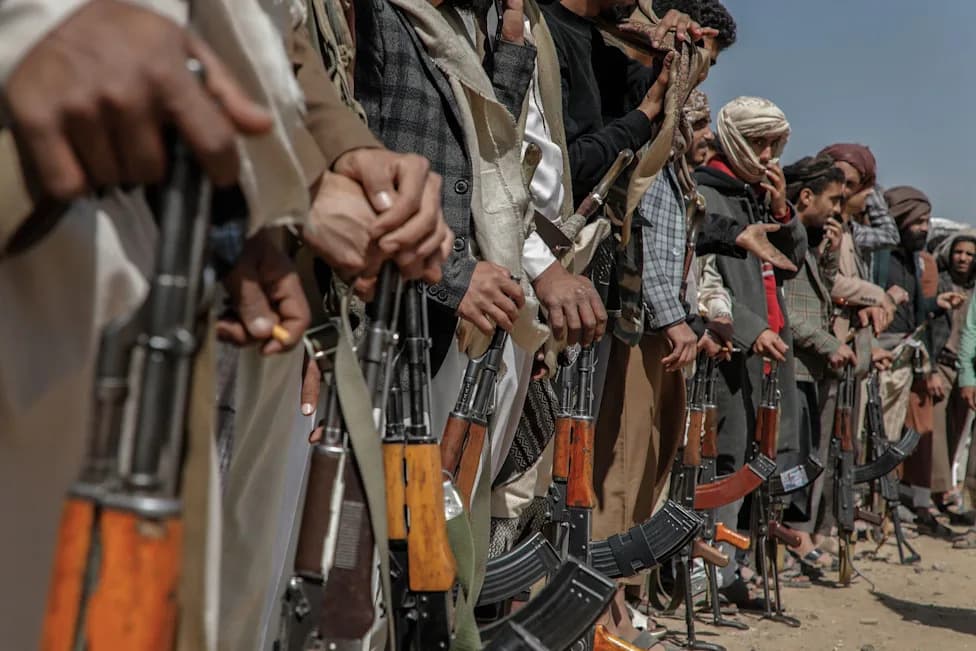
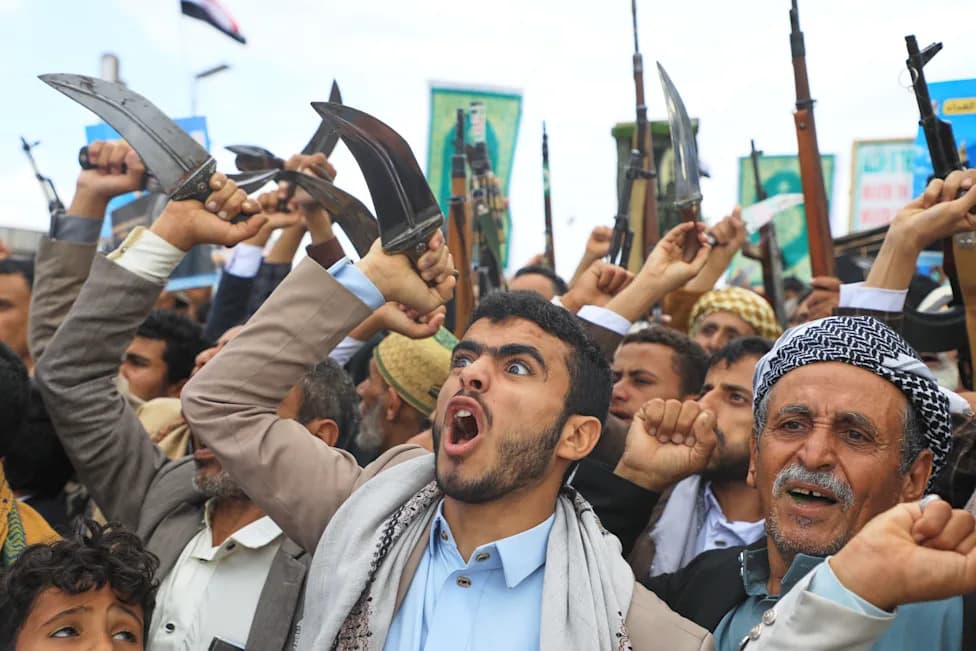
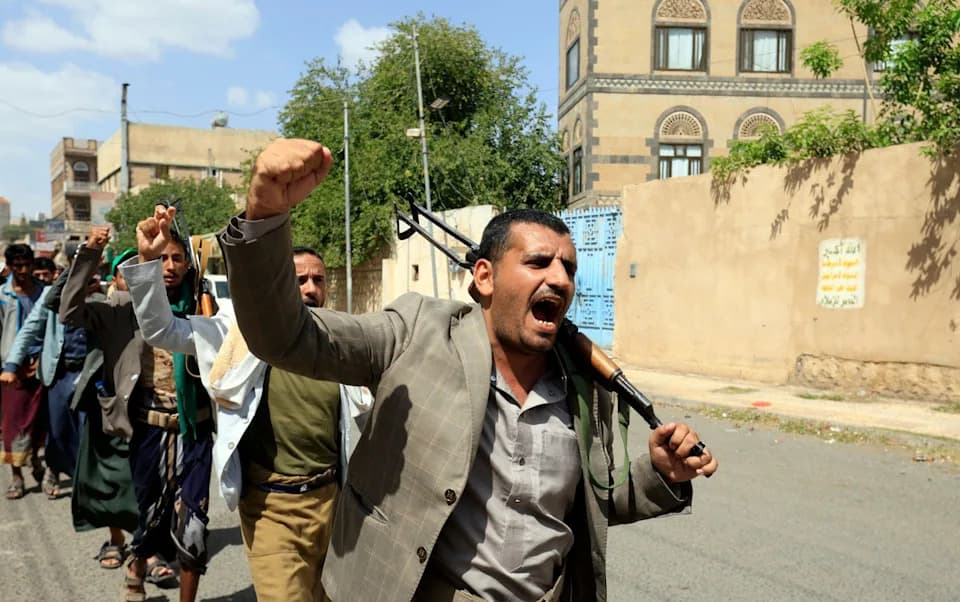
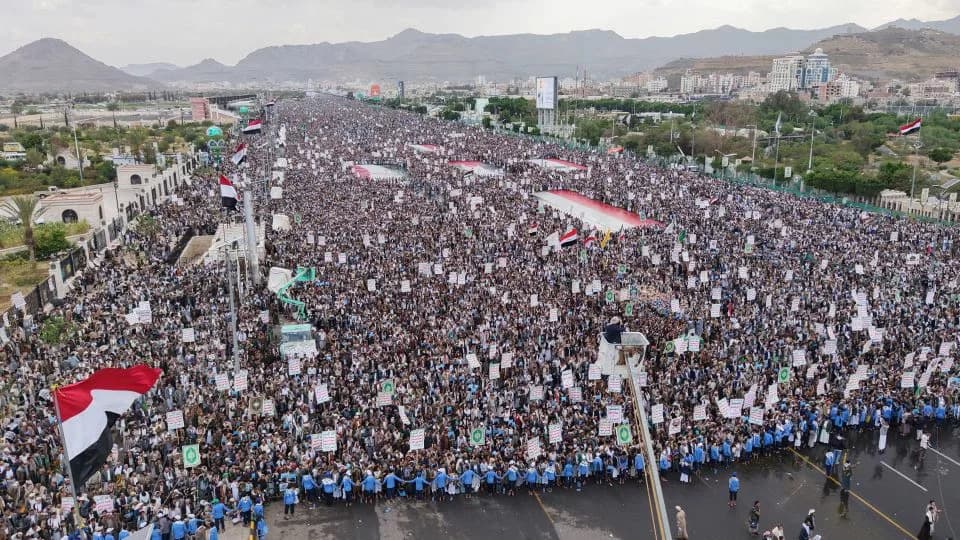
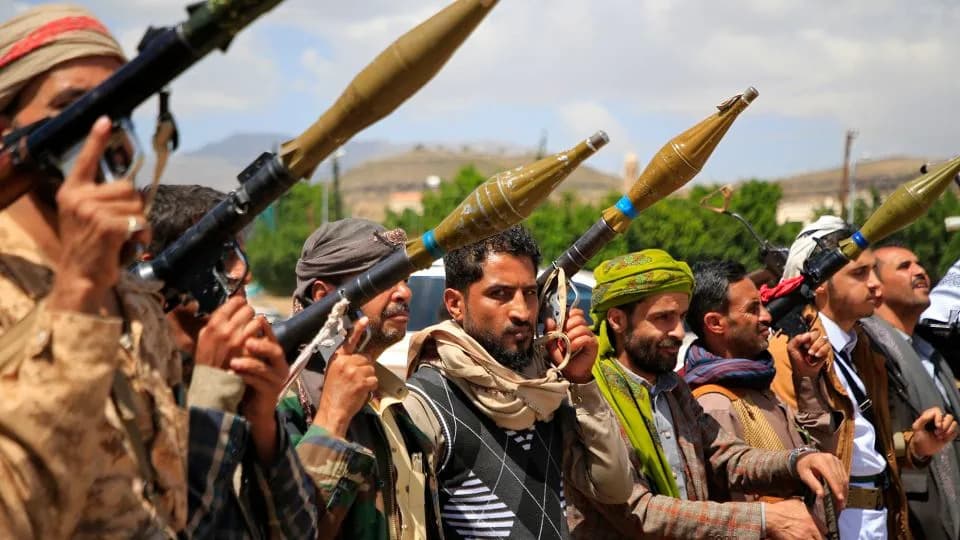
Tensions have escalated in Yemen in recent weeks, with reports of drone attacks, missile strikes, air strikes, and fighting along the front lines, where Houthi-controlled territory meets the government's [File: Reuters]
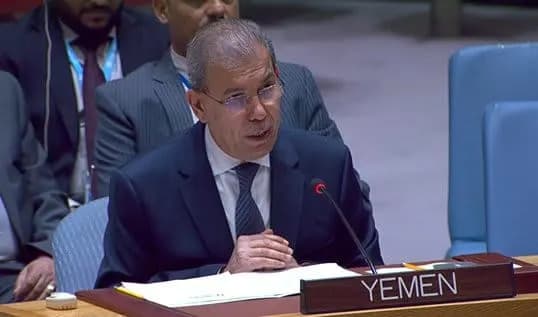
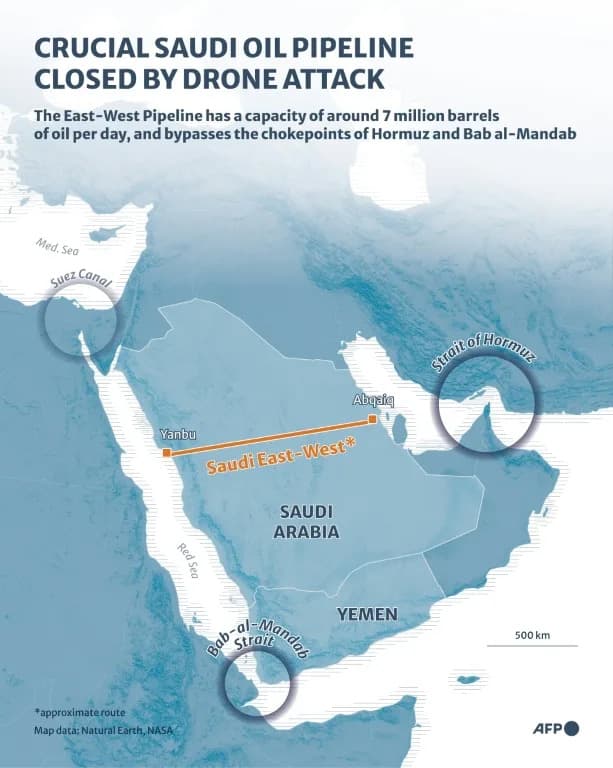
Yemen's foreign minister-designate, Afrah al-Zouba, warned that the Houthi movement is attempting to replicate Iran's control of the Strait of Hormuz by targeting the Bab al-Mandeb Strait, a vital chokepoint linking the Red Sea to the Gulf of Aden and the wider Indian Ocean.
"The Houthis want to copy the Iranian model, and this will shut down two main straits, the gateways into the Gulf and Red Sea," al-Zouba told journalists at the Yemeni embassy in Riyadh.
Why Bab al-Mandeb Matters
Like the Strait of Hormuz, Bab al-Mandeb is a strategic maritime bottleneck: roughly 30% of global container traffic transits the Red Sea route and an estimated 12–15% of world trade moves through it. Control of Yemen's western coast gives any armed group a disproportionate ability to disrupt commercial shipping and global supply chains.
Current Escalation
Al-Zouba said the Iran-backed Houthis have grown bolder because international responses have been limited. In July the group announced a maritime siege on Red Sea routes to and from Saudi Arabia and launched missiles and drones targeting the kingdom. Riyadh has responded with air strikes on Hodeidah, a key Houthi-held port, and officials report exchanges of fire along front lines.
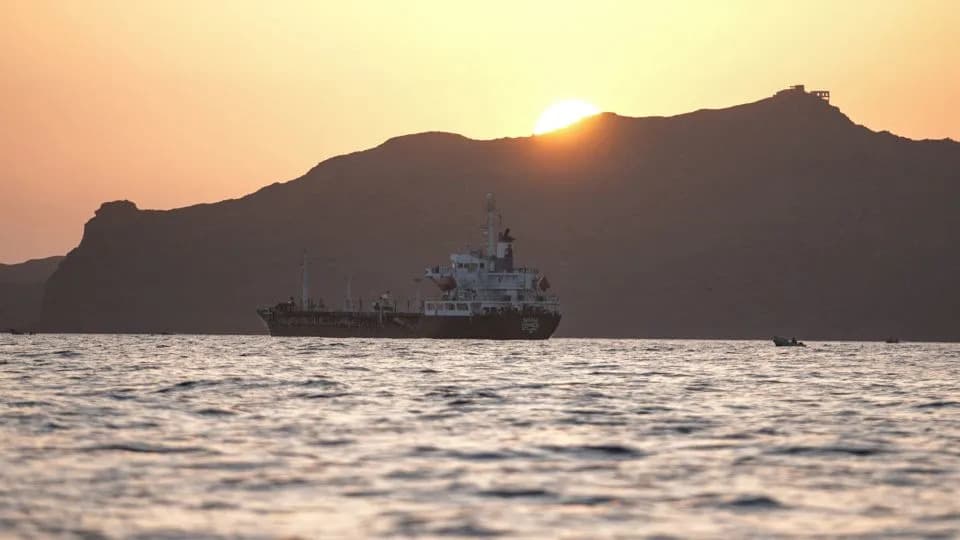
Recent movement data indicated a downturn in traffic: only 11 commodity vessels were recorded transiting the Red Sea on a recent Sunday, a sign of reduced activity that could reflect rising security concerns.
Earlier clashes around Hodeidah killed nearly 20 fighters from both sides, local officials said.
Background And Human Cost
Yemen's conflict began in 2014 when the Houthis seized the capital, Sanaa, prompting then-President Abd-Rabbu Mansour Hadi to flee to Riyadh. Saudi Arabia led a coalition from 2015 until a 2022 truce in an effort to dislodge the Houthis. As of 2026 the Houthis retain control of Sanaa and other parts of the country. Frictions between Saudi Arabia and the United Arab Emirates—over alleged Emirati support for southern separatists—have complicated the situation on the ground.
Civilians have suffered the most: an estimated 377,000 people died between 2015 and early 2022, the vast majority from indirect effects of the conflict such as famine and disease.
What To Watch
- Whether international navies or diplomatic efforts increase to keep the Bab al-Mandeb corridor open;
- Further Houthi maritime activity or expanded Saudi strikes around Hodeidah;
- Potential regional escalation if tensions tied to Iran intensify.
Help us improve.