Seventy‑four years after Pan Am's DC‑4 Clipper Endeavor ditched off San Juan on April 11, 1952, researchers have located the wreck nearly 2,000 feet below the surface. The aircraft ditched successfully but sank within minutes, and language barriers plus the absence of a preflight safety demonstration led to 52 fatalities. The Civil Aeronautics Board later mandated passenger safety demonstrations for overwater flights. The discovery, made with a HUGIN AUV, will be featured on Discovery Channel's Expedition Unknown.
How a 1952 Pan Am Ocean Crash Created the Preflight Safety Demo — and the Lost Clipper Endeavor Has Been Found
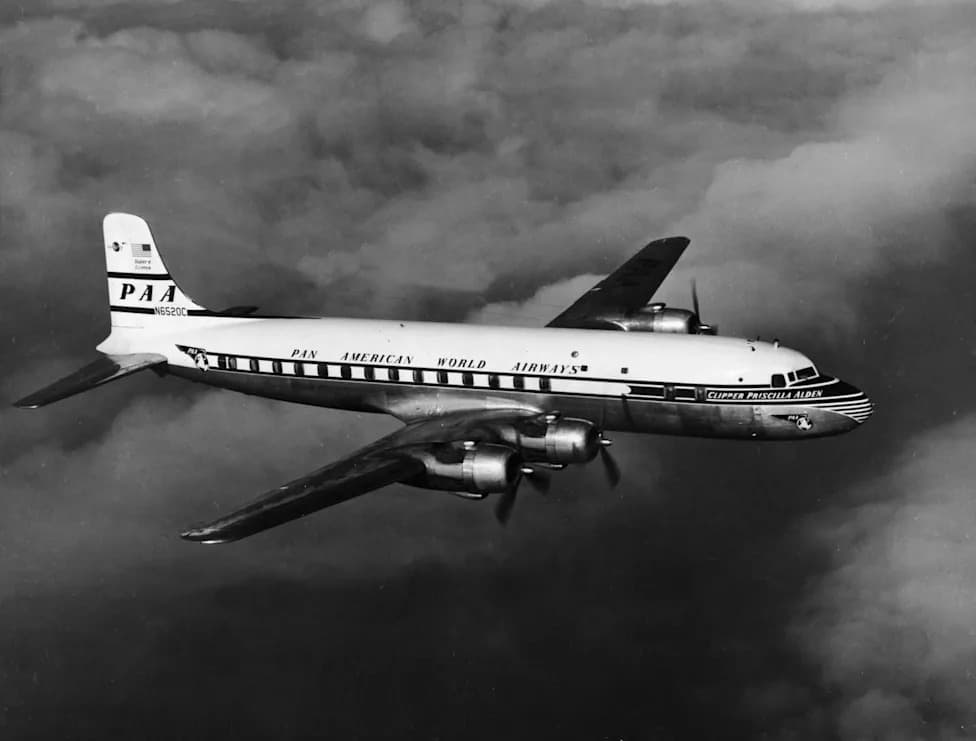
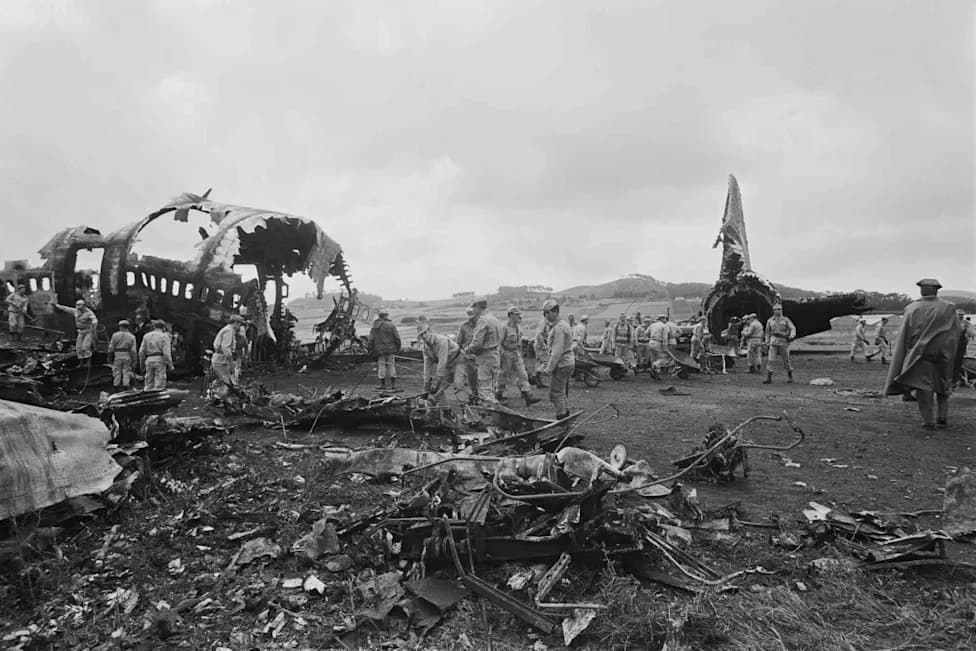
Explorers Found the Plane That Changed Air SafetyPictorial Parade - Getty Images
Every modern commercial flight begins with the same ritual: a flight attendant demonstrating how to fasten your seatbelt, locate emergency exits and use a life vest. That routine exists because of a single, catastrophic ditching off San Juan, Puerto Rico, on April 11, 1952 — the crash of Pan American's DC-4 Clipper Endeavor — and, more than seven decades later, the wreck has finally been located.
On a bright Good Friday at Isla Grande Airport, the four‑engine Clipper Endeavor departed for New York's Idlewild Airport (now JFK) under the command of Captain John C. Burn. Sixty‑four passengers and five crew were aboard. Minutes after takeoff, engines three and four on the right wing failed in quick succession, leaving the DC‑4 unable to climb or maintain altitude. Burn issued a distress call and executed a water landing roughly nine minutes after departure about 11 miles northwest of the airport and approximately 4.5 miles off Puerto Rico's northern shore.
The ditching itself left the main cabin largely intact and initially spared the lives of everyone on board. But heavy seas, a ruptured fuselage and a lack of clear evacuation guidance turned a survivable landing into a tragedy: within three minutes the aircraft flooded and sank, dragging many passengers under. Language barriers — many passengers spoke only Spanish while the crew's emergency commands were given in English — and the absence of a preflight safety demonstration left many confused and immobile.
Rescue assets, including U.S. Coast Guard PBY amphibians, the buoy tender Bramble and Air Force air‑sea rescue planes, arrived quickly and recovered 17 survivors (12 passengers and all five crew). Fifty‑two people died. In Puerto Rico the disaster became known as La Tragedia del Viernes Santo (the Good Friday Tragedy) and remains one of the island's worst aviation losses.
The Civil Aeronautics Board, a predecessor to the FAA, concluded that the lack of any passenger safety briefing contributed directly to the high death toll. Regulators subsequently required preflight safety demonstrations and emergency‑procedure instructions for all commercial overwater flights — a change that has since saved countless lives.
For seven decades the Clipper Endeavor's wreck lay beyond the reach of 1950s salvage technology. In 2019 aviation and maritime historian Russ Matthews of the Air/Sea Heritage Foundation reignited interest in the case and, working with explorer Josh Gates and others, assembled witness accounts, U.S. Air Force charting and communications transcripts that narrowed a search area off San Juan.
Recently, the research vessel Fugro Brasilis diverted to those coordinates carrying a Kongsberg HUGIN AUV operated by Deep Sea Vision. On June 2 the AUV's high‑resolution sonar detected a wreck nearly 2,000 feet down: the Clipper Endeavor, broken in two and resting on the seabed. A photographic survey confirmed identifying markings, including the winged Pan American logo and the aircraft's name on the fuselage.
“When the images came back from the AUV, we all gasped,” said Josh Gates. “Seeing the bright aluminum fuselage shining back at us from the ocean floor was a hugely emotional moment.”
The discovery has prompted efforts with Puerto Rican authorities to expand legal protections for the site and treat it as a maritime grave. Discovery Channel plans to present the full story in an upcoming episode of Expedition Unknown, and the search team has contacted surviving relatives, including the accident's two known living survivors.
Why it matters: The Clipper Endeavor disaster directly produced the modern preflight safety demonstration and stands as a reminder that clear instructions, language accessibility and evacuation planning can mean the difference between life and death in an emergency.
Help us improve.