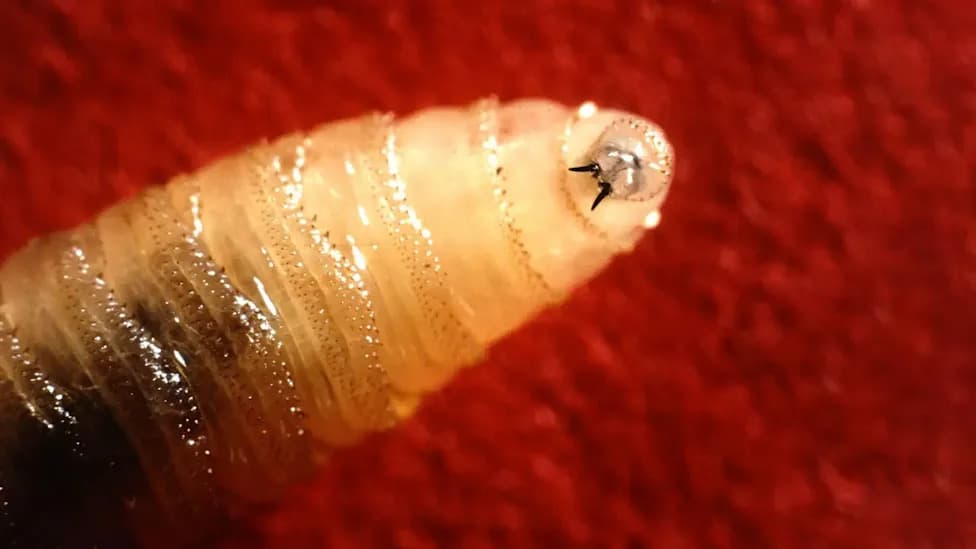
The New World screwworm, a blowfly that lays eggs in living wounds and can kill livestock, has reappeared in parts of North America after eradication from the continental U.S. in 1966. Jessica Metcalf’s team at the University of Colorado is identifying volatile compounds and bacteria specific to infected living tissue to build selective lures that attract screwworms but not harmless carrion-feeding flies. The method borrows from decomposition ecology and forensic science to improve monitoring and divert flies away from animals, helping contain outbreaks quickly.
How the Smell of Death Could Help Trap Cattle-Killing Screwworms
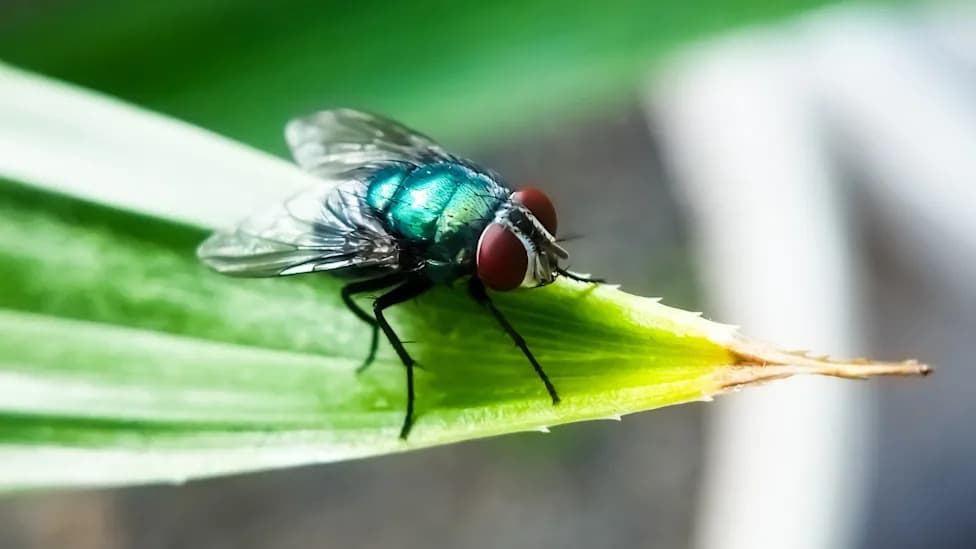
The New World screwworm botfly was previously eradicated in the U.S. for nearly 50 years.
Researchers are turning a gruesome cue — the smell of infected, living tissue — into a tool to detect and control a once-eradicated pest: the New World screwworm (Cochliomyia hominivorax).
The Return Of A Dangerous Parasite
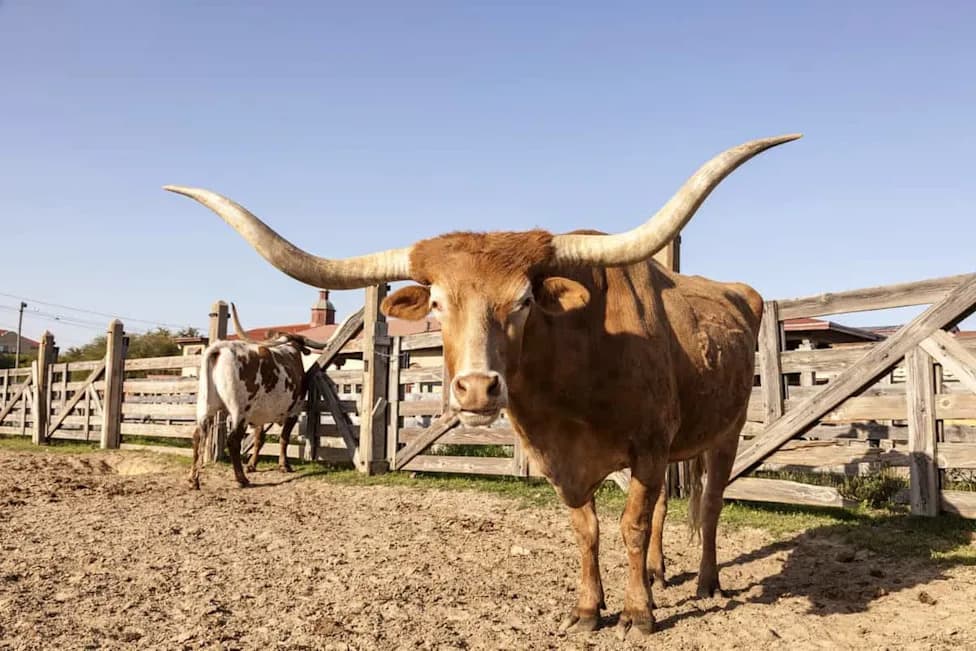
The New World screwworm targets open wounds on warm-blooded animals. Females lay eggs in those wounds; the hatched larvae (maggots) feed on living tissue and can cause severe injury or death in livestock such as cattle, sheep and goats. Sterile-insect techniques developed in the mid-20th century eliminated screwworms from the continental United States by 1966, but the fly resurfaced in southern Mexico in 2024 and new cases were confirmed in Texas and New Mexico in June and the weeks that followed.
Why Monitoring Is Tricky
Early detection is essential to contain outbreaks. Current monitoring relies on baited traps that mimic the odors produced by bacteria in decaying meat, but those baits also attract a related and far more common species called the secondary screwworm, which feeds on carrion and is not as dangerous. That makes it hard for managers to focus limited resources on the true threat.
A Smarter Lure
Jessica Metcalf and her team at the University of Colorado are developing next-generation traps that use tailored chemical cues to preferentially attract New World screwworms. Instead of general "rotting-meat" scents, the researchers are identifying volatile organic compounds (VOCs) and specific bacteria associated with infected living tissue — signals that distinguish live-host infestations from carrion and lure the species that attacks wounds.
"We use these bacterial cues to stay away from certain things — to not eat spoiled meat, for example," said Jessica Metcalf, a microbial ecologist. "The insects are using them for a different reason: they're like, 'Yes, bring it, that smells like a great place to lay eggs.'"
Using Decomposition Ecology—and Forensic Science
The approach borrows tools from decomposition ecology and forensic science, fields that study how bacteria and blowflies produce predictable chemical signatures as tissue breaks down. Screwworms also carry bacteria that infect hosts and emit additional signals that can recruit more flies; isolating these microbes helps researchers refine lures that draw screwworms away from livestock and into traps.
Why This Matters
Targeted lures could improve surveillance accuracy, reduce false positives from nonthreatening species, and allow quicker, more focused responses to outbreaks — limiting animal suffering and economic losses for ranchers. Although the current resurgence is not yet on the scale of historical outbreaks, these advances and continued surveillance are critical to keeping the problem brief and contained.
Bottom line: By decoding the bacterial and chemical language of infected wounds, scientists aim to turn the screwworm's olfactory preferences against it — improving traps and protecting livestock.
Help us improve.