The sizable book advances and royalties enjoyed by several sitting Supreme Court justices raise ethical and perceptual concerns. While statutes fix justices' salaries and ethics guidance caps outside income at roughly $35,000, exceptions — especially for book deals — have allowed reported earnings to approach $13 million collectively. The article proposes requiring book income to be escrowed until retirement, with limited, certified exceptions for housing, medical emergencies and education, and extending the rule to lower federal judges to preserve public trust and encourage timely retirements.
Supreme Court Justices’ Lucrative Book Deals Need Stronger Ethical Safeguards
(Anna Moneymaker/Getty Images)
The pattern of seven‑figure advances and royalties paid to sitting Supreme Court justices calls for clearer rules and greater transparency. Federal statute sets the chief justice's salary at $320,700 and each associate justice's at $306,600, while judicial ethics guidance generally limits outside earnings to roughly $35,000 per year — a cap intended mainly to allow teaching income but that includes several exceptions, such as real estate transactions, investment returns, inheritances and book writing.
Why the Current Exceptions Raise Concerns
Those exceptions create both concrete and perceptual problems. A buyer could theoretically curry favor by overpaying for a justice's home, though recent high‑profile sales — Justice Neil Gorsuch reportedly broke even and Justice Amy Coney Barrett profited mainly from market movement — have not been shown to involve wrongdoing. Investment income and inheritances likewise pose potential conflicts, even if most justices avoid direct stock ownership.
Gifts and complimentary travel, which are not always counted as reportable income, have drawn scrutiny as well. The most conspicuous example has been luxury travel accepted by Justice Clarence Thomas from wealthy benefactors — benefits that raise questions about impartiality even if, when tallied, they do not reach the scale of book revenues.
Books Are Now the Biggest Outside Paydays
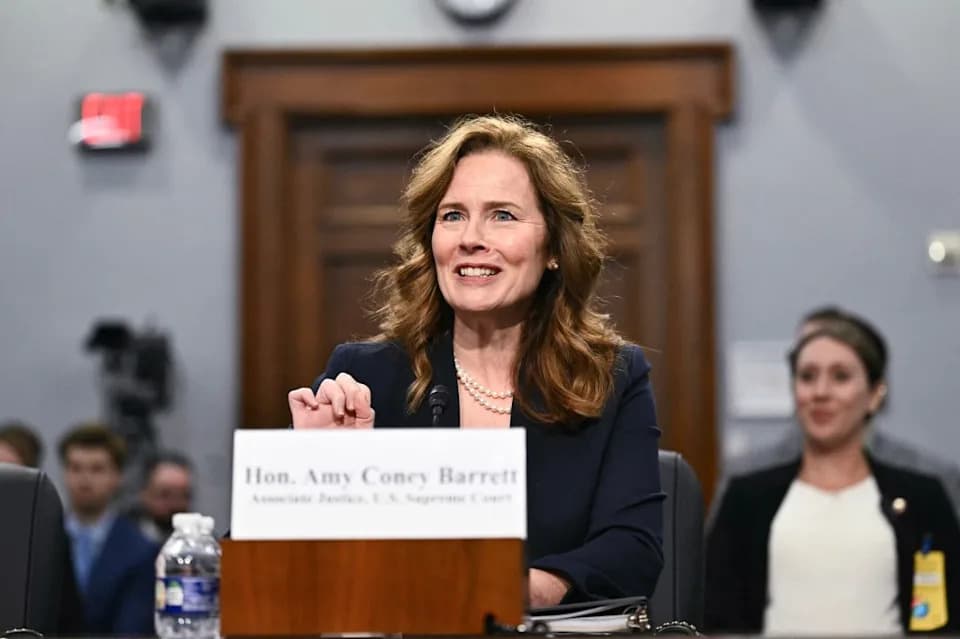
Publishing has emerged as the most lucrative outside activity for several justices. Reported figures include: Justice Sonia Sotomayor, about $4.06 million from My Beloved World and related children’s books; Justice Ketanji Brown Jackson, about $4.14 million for Lovely One; Justice Neil Gorsuch, about $1.7 million from several books; Justice Clarence Thomas, about $1.5 million for My Grandfather's Son; Justice Amy Coney Barrett, about $1.27 million against a reported $2 million advance for Listening to the Law; and Justice Brett Kavanaugh, about $340,000 disclosed (likely part of a larger advance) for an untitled memoir. Chief Justice John Roberts and Justice Elena Kagan have not published books while on the bench, and Justice Samuel Alito's advance for So Ordered (fall 2026) has not been disclosed. Those figures bring the known total to roughly $13 million and counting.
Partisan publishing imprints have increasingly handled these projects: Kavanaugh's memoir moved from Regnery to Center Street (Hachette), and Barrett's book was published by Sentinel (Penguin Random House's conservative imprint). Coupled with book tours and speaking appearances that often align comfortably with a justice's ideological profile, this trend creates troubling optics for an institution that must project impartiality.
Risks Beyond Optics
Beyond appearances, there is a speculative but plausible risk that publishers or benefactors could use lucrative contracts as indirect incentives to influence behavior or encourage justices to remain on the bench. Reporting has recalled comments attributed to Justice Thomas in 2000 about the risk that justices might leave without adequate pay, and his subsequent seven‑figure deal raises the sorts of questions the public expects ethical rules to prevent.
A Practical Reform: Escrow Book Income Until Retirement
To address these concerns while preserving free speech and the ability of judges to write, the Court should require sitting judges and justices to place all proceeds from book advances and royalties into accounts that are blocked against withdrawal until after retirement. I would permit three narrowly tailored, certifiable exceptions for early release:
- Purchase of a primary residence (not a vacation home);
- Extraordinary family medical expenses (for example, a spouse's serious illness); and
- Children's education costs.
Disbursement under any exception would require certification by an independent Supreme Court ethics officer — a position the author and others have urged the Court to create. The same escrow requirement should extend to lower federal judges, with certification handled by the Judicial Conference Codes of Conduct Committee.
Additional Benefits
Locking book income until retirement would preserve public trust and could create a modest financial incentive for timely retirements, reducing the tendency of some justices to remain on the bench for ideological timing rather than institutional health. Historians and legal scholars have documented episodes of cognitive decline among justices across generations; encouraging earlier transitions would help the Court respond more reliably to those realities.
Under this proposal, justices would continue to receive their full salaries, investment returns and up to about $35,000 annually for teaching — reasonable compensation for a high‑responsibility public office. But putting book proceeds beyond reach while in active service would align incentives with public expectations: public servants should not be actively chasing major windfalls while presiding over lifetime‑tenured power.
Books written after a long tenure could be richer, less conflicted, and better for public confidence. The reforms proposed here aim not to censor or ban judicial expression, but to protect the Court’s integrity and the public’s trust.
Help us improve.