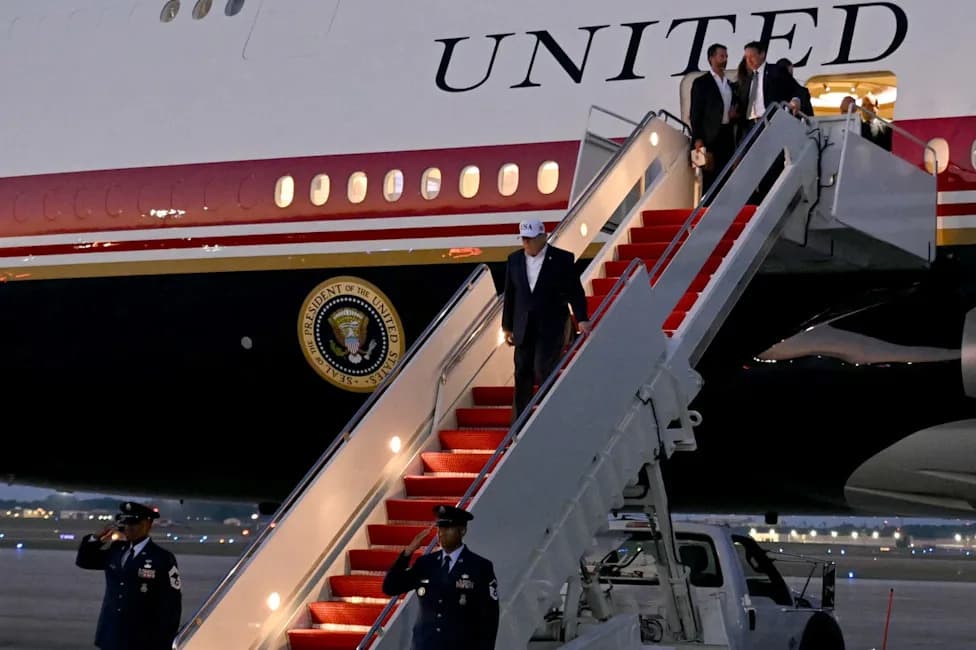
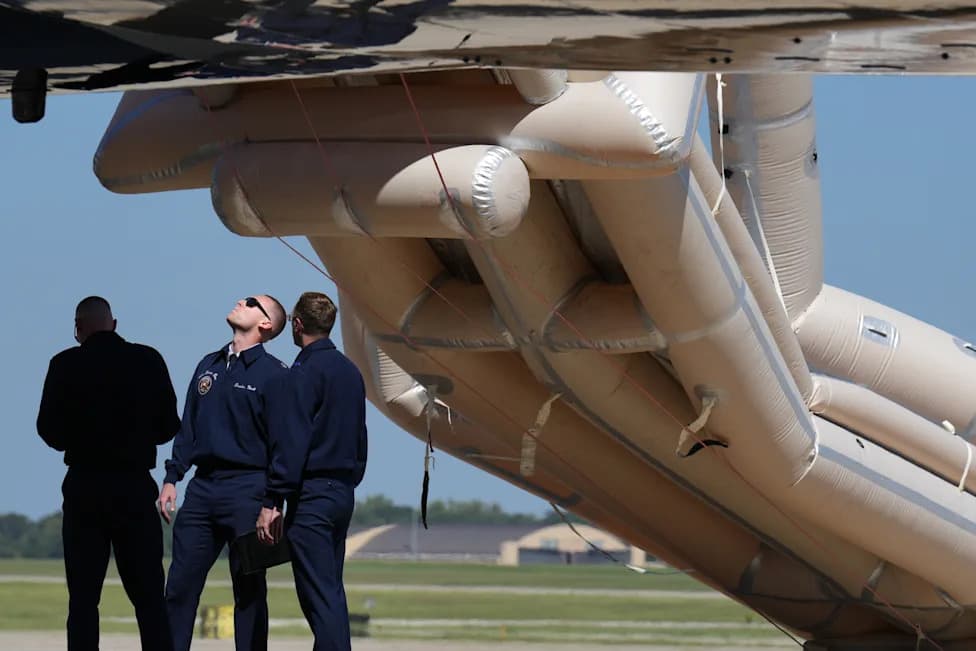
Key Takeaway: The Qatar-donated Boeing 747-8 prompted legal, security and budgetary concerns after President Trump pushed an accelerated eight-month retrofit to have it ready for the U.S. 250th anniversary. The rush reportedly led to trade-offs that left some secure communications and defensive systems off the aircraft, prompted an aircraft swap on a Turkey-to-UK flight, and produced hundreds of millions in additional costs — some funded from classified accounts. The plane was later pulled from service while security improvements continue, and the episode may draw congressional oversight.
Trump’s Rush to Use Qatar-Gifted Air Force One Sparked Security, Legal and Cost Concerns
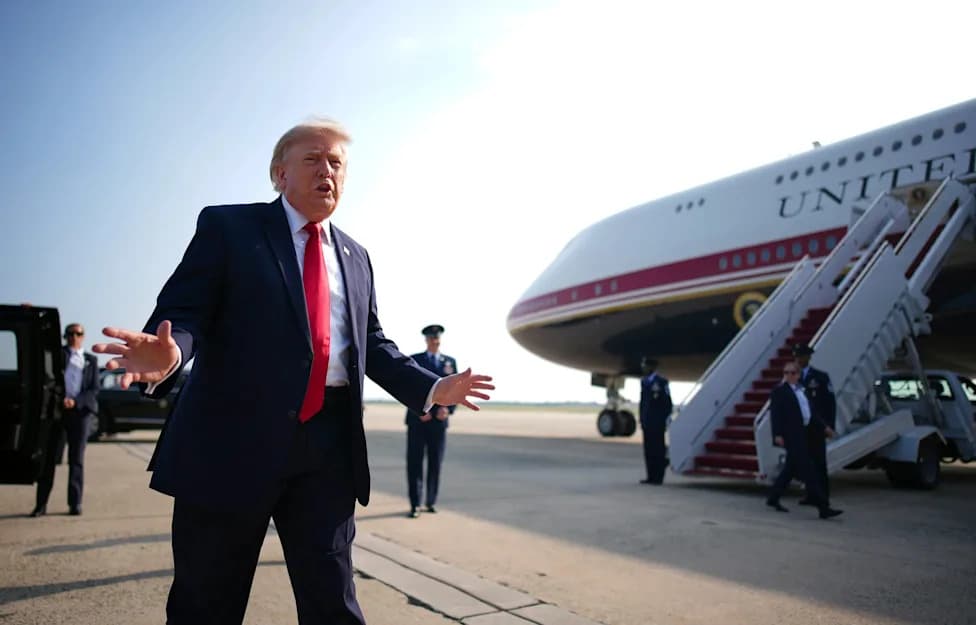
President Donald Trump stops to speak to the media before boarding Air Force One on July 01, 2026 at Joint Base Andrews, Md
Even if the Qatar-donated Boeing 747-8 were flawless, accepting a lavish foreign gift for presidential use raises immediate legal and ethical questions. The Constitution’s foreign emoluments clause bars presidents from taking gifts from foreign powers without congressional approval — and this aircraft was accepted despite those concerns.
Complicating matters further, President Trump reportedly considered “donating” the jet to his presidential library after leaving office. But the controversy deepened when the plane’s readiness and safety came into question.
Why the Plane Was Rushed
According to reporting by The New York Times and follow-ups cited by MS NOW, a February 2025 tour of the luxury jet by Mr. Trump set off an accelerated effort at the White House and Pentagon to prepare the aircraft for presidential use. The administration adopted a compressed timeline — roughly eight months — to have the plane ready for the nation’s 250th birthday celebrations this summer, instead of the multi-year process experts expected.
Security Shortcomings and Operational Decisions
Officials told reporters that the gifted plane lacked several secure communications capabilities and defensive systems found on the previous Air Force One. Those omissions allegedly prompted the decision to switch aircraft on a flight from Turkey to the United Kingdom, with sources saying the Qatari jet could not adequately handle a rapidly escalating conflict with Iran.
"The gifted aircraft lacks the secure communications systems and military defenses needed to safely manage a rapidly escalating conflict with Iran," MS NOW reported.
Despite initial expectations from some White House staff that the jet might be limited to domestic trips or flights to allied countries hosting U.S. bases, no such formal restriction was imposed. Instead, the administration pressed ahead with the fast-tracked retrofit — a choice critics say traded critical safety upgrades for speed.
Costs, Procurement and Transparency Questions
The Times reported that, beyond the roughly $400 million in public upgrades acknowledged by the administration, the government spent "hundreds of millions of dollars" more to accelerate pilot training and other work. Reporters say some of those funds were sourced from a classified budget tied to nuclear modernization, a move that critics argue obscured the true cost even from Congress.
When asked about the price tag, Mr. Trump replied ambiguously that it "cost very little relative to what it would cost if we did it a different way," leaving key questions unanswered.
Leads, Leaks and Oversight
The New York Times’ reporting prompted a leak investigation inside the White House. Lawmakers from both parties had warned nearly a year ago that compressing upgrades could create security risks; subsequent developments — including the jet’s temporary removal from service while security fixes are pursued — have made those warnings appear prescient.
If Democrats regain control of Congress, the handling of the gifted jet and the decisions that led to the accelerated retrofit are likely to be the subject of intensive oversight hearings.
Bottom Line
The episode touches on three intertwined problems: potential constitutional and ethical issues tied to accepting a foreign gift, national security risks arising from rapid retrofits that omit standard protections, and substantial, partly opaque costs borne by the government. Together they have made the Qatari-gifted Air Force One a political, legal and operational headache for the administration.
Reporting referenced: The New York Times and MS NOW; this article updates earlier related coverage.
Help us improve.