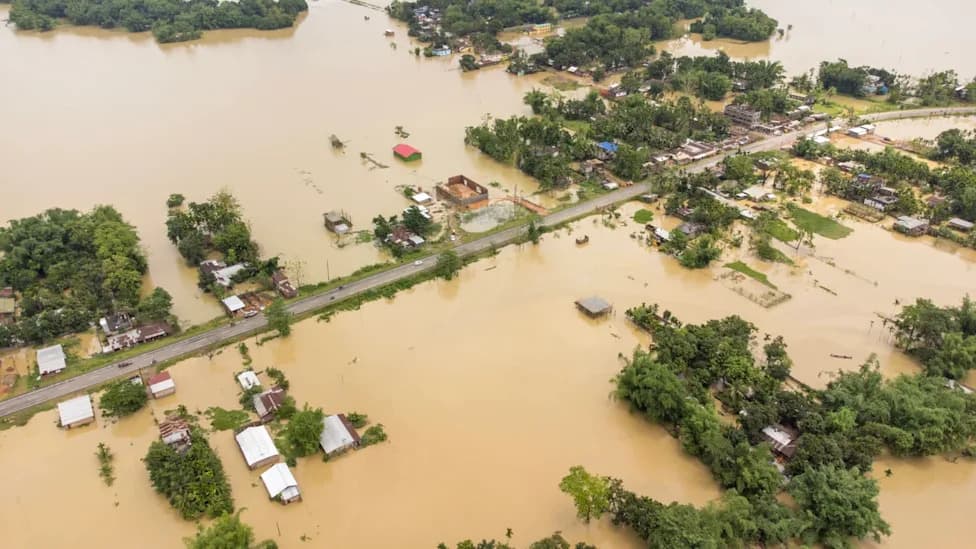
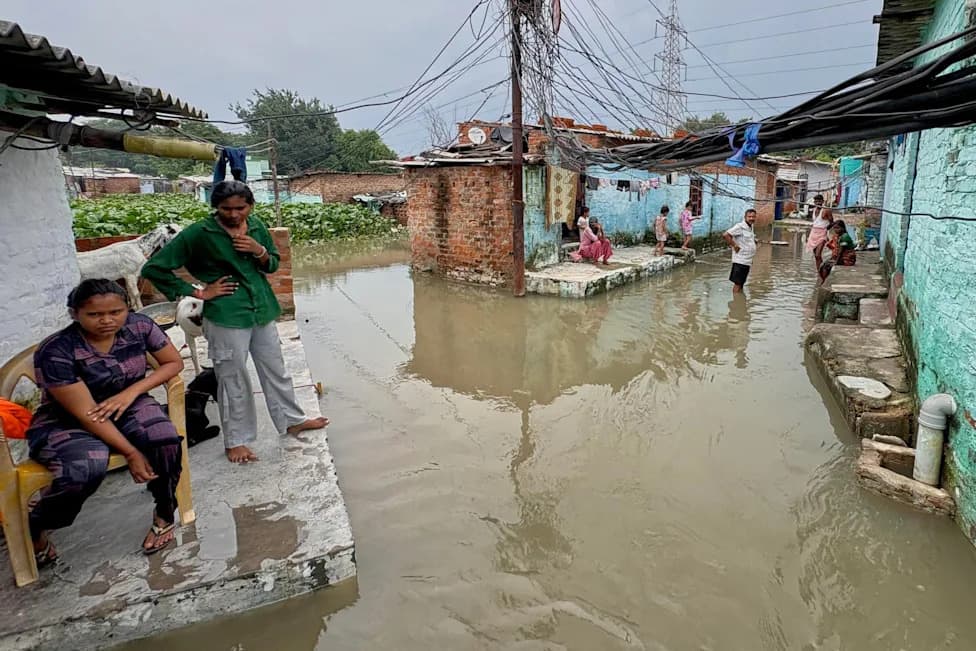
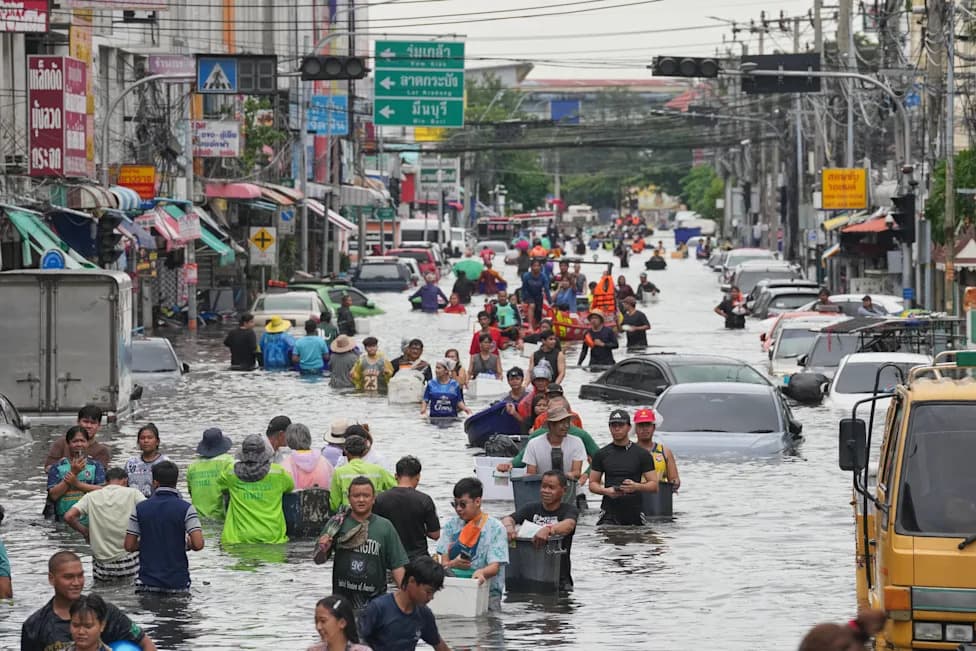
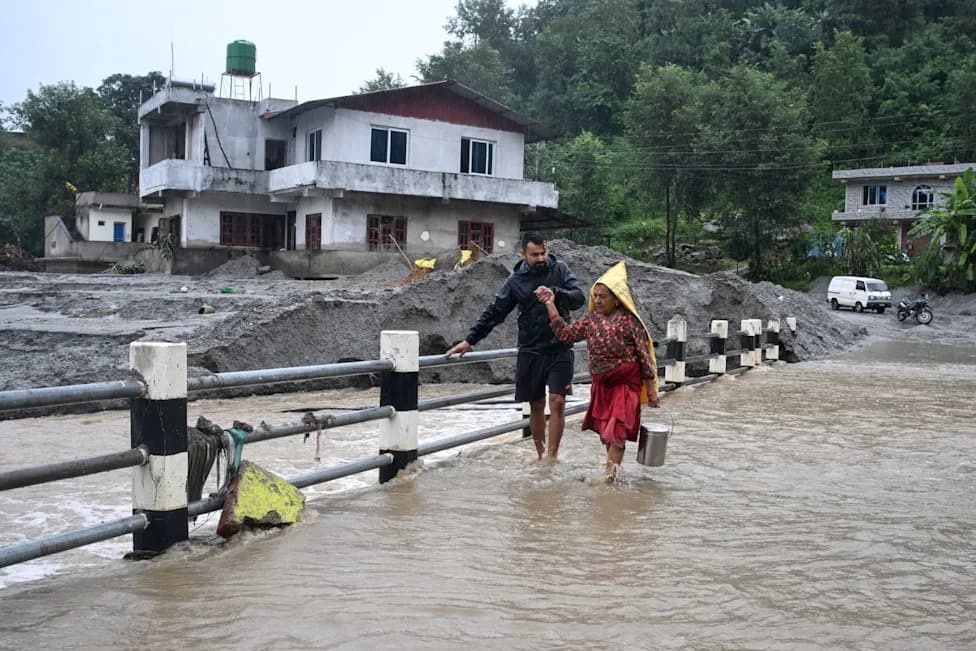
Heavy monsoon rains and flash floods have pushed Pakistan's death toll above 100 this month, with the NDMA reporting 109 fatalities since June 26. Nearly half of the deaths occurred in Khyber Pakhtunkhwa, often due to collapsing homes and roofs. Officials reviewed flood preparedness and discussed issuing timely river warnings and evacuations before floodwaters arrive. Authorities warn the situation could mirror the catastrophic 2022 floods that submerged large swathes of the country and displaced millions.
Pakistan Monsoon Death Toll Tops 100 as Authorities Warn of More Heavy Rain

Motorists drive through a flooded road caused by heavy monsoon rain, in Lahore, Pakistan, Saturday, July 25, 2026. (AP Photo/K.M. Chaudary)(AP Photo/K.M. Chaudary)
LAHORE, Pakistan — The death toll from monsoon rains and flash flooding across Pakistan in the past month rose above 100 on Monday, as meteorologists warned that further heavy downpours are expected in parts of the country later this week.
Pakistan's National Disaster Management Authority (NDMA) said 109 people have died nationwide since June 26. Many of the fatalities were the result of collapsing houses and roofs, with nearly half reported in the northwestern Khyber Pakhtunkhwa province along the Afghan border.

A resident looks around a house with a collapsed roof due to heavy rains in Lahore, Pakistan, Saturday, July 25, 2026. (AP Photo/K.M. Chaudary)(AP Photo/K.M. Chaudary)
Preparedness and Warnings
The latest figures were released a day after the NDMA completed a nationwide review of flood preparedness measures. Officials discussed plans to issue timely river and weather warnings to communities at risk so residents can move voluntarily to safer ground or be evacuated before floodwaters reach populated areas.
Impact on Cities and Public Reaction
Last week, heavy rain battered several regions, including Lahore, Pakistan's cultural capital, where multiple neighbourhoods were inundated and commuters were forced onto lengthy detours. Images circulating on social media showed residents wading through high water, prompting criticism from locals who questioned the government's preparedness and response to extreme weather.
Historic Context
Authorities have warned that they cannot rule out a recurrence of the extreme weather that caused Pakistan's devastating 2022 floods. That catastrophe submerged about one-third of the country, killed 1,737 people and displaced millions — underscoring the urgency of early warning systems and evacuation planning.
What officials say: The NDMA emphasized the need for coordinated action between federal, provincial and local authorities to issue timely alerts and support vulnerable communities.
Help us improve.