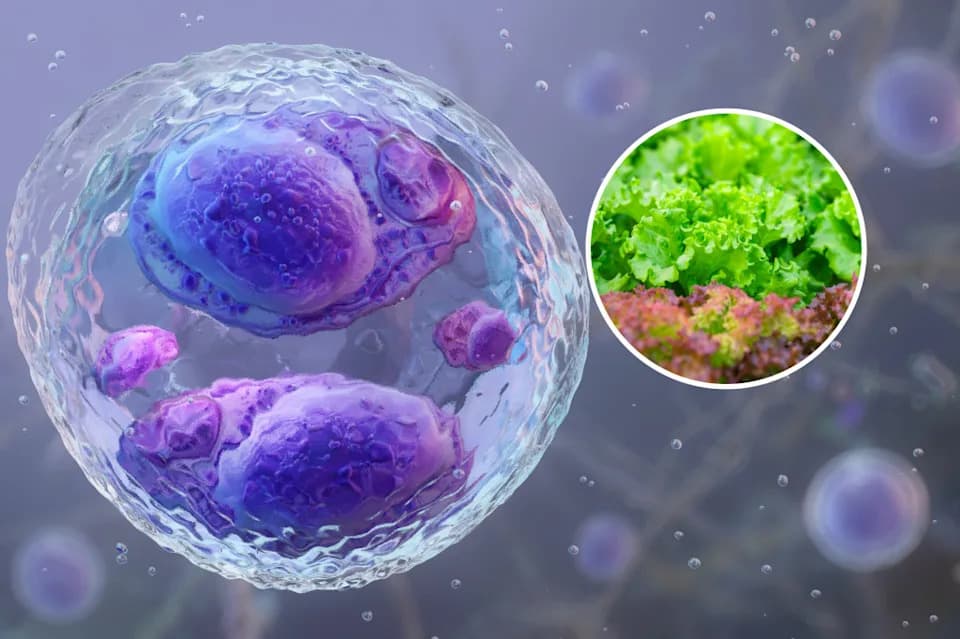
Former FDA Commissioner Scott Gottlieb called it "unusual" for Taylor Farms to ask the White House to delay a lettuce recall tied to a nationwide Cyclospora outbreak. The Wall Street Journal reported a lobbyist arranged the call and White House officials asked the FDA to participate. Federal investigators have linked illnesses to certain lettuce supplies and a voluntary recall was issued, though questions remain after a disputed laboratory "false positive" and differing case counts. Health officials continue traceback work as public‑health scrutiny grows.
Ex‑FDA Chief: It Was 'Unusual' For Taylor Farms To Ask White House To Delay Lettuce Recall
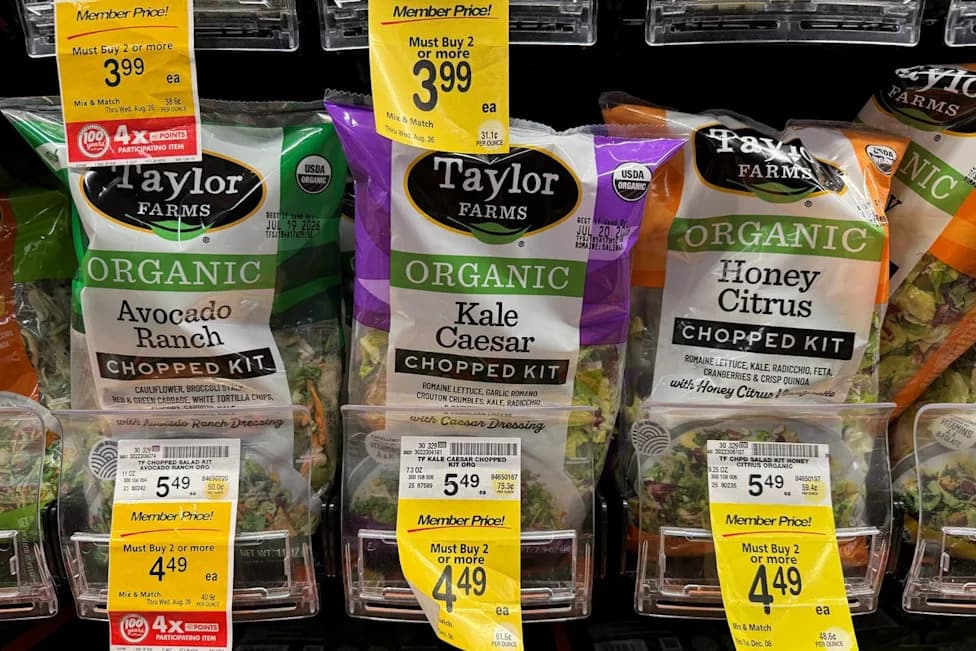
Not ‘standard’ for Taylor Farms to seek White House intervention in ‘diarrhea lettuce’ recall, ex-FDA chief says
Former Food and Drug Administration (FDA) Commissioner Scott Gottlieb told a Sunday news program that it was "unusual" and not standard practice for a produce company to contact the White House to request a delay in a recall tied to a nationwide Cyclospora outbreak.
The Wall Street Journal reported that Taylor Farms representatives — via a lobbyist — reached out to the White House to ask that a recall announcement be postponed, and that White House officials asked the FDA to join the call. Taylor Farms has disputed the strength of the evidence linking its products to the outbreak; an HHS spokesperson told the Journal the FDA had provided the company with "substantial evidence."
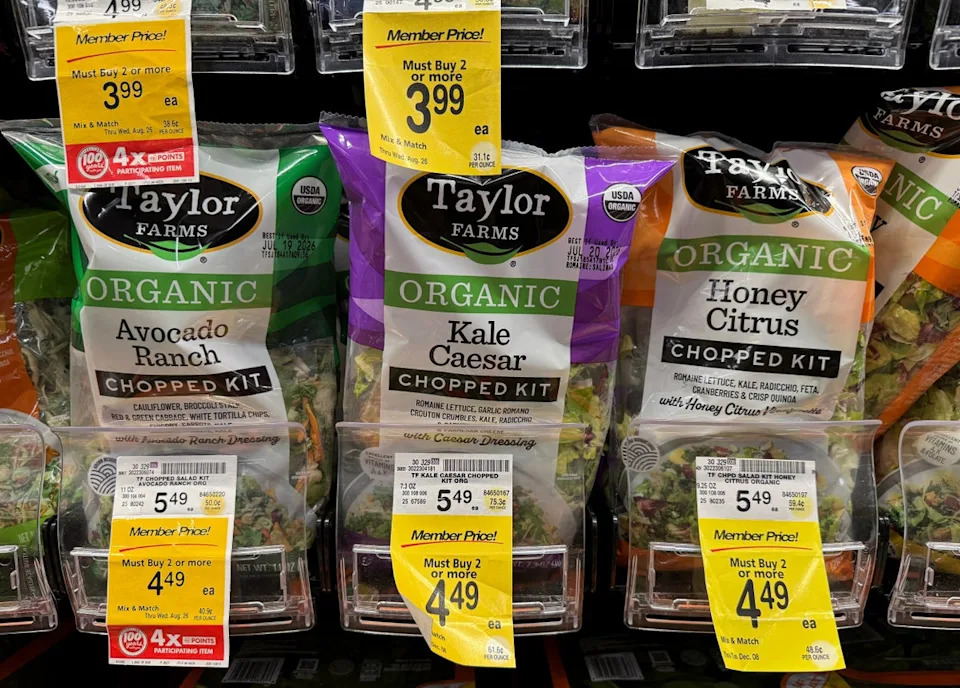
Former FDA Commissioner Scott Gottlieb said it was unusual for Taylor Farms to ask the White House to delay a recall associated with the nationwide cyclospora outbreak. 'It wasn't standard operating procedure when I was at FDA,' Gottlieb said on Sunday (Getty)
"No, it's not," Gottlieb replied when asked whether involving the White House is standard procedure. "I never heard from the White House on those things, other than to have discussions to inform them of what we were doing, so that they were properly briefed and could respond to questions that they were getting. So it's unusual."
Timeline And Investigation
- July 16: Federal health officials linked illnesses across five states to Taco Bell locations.
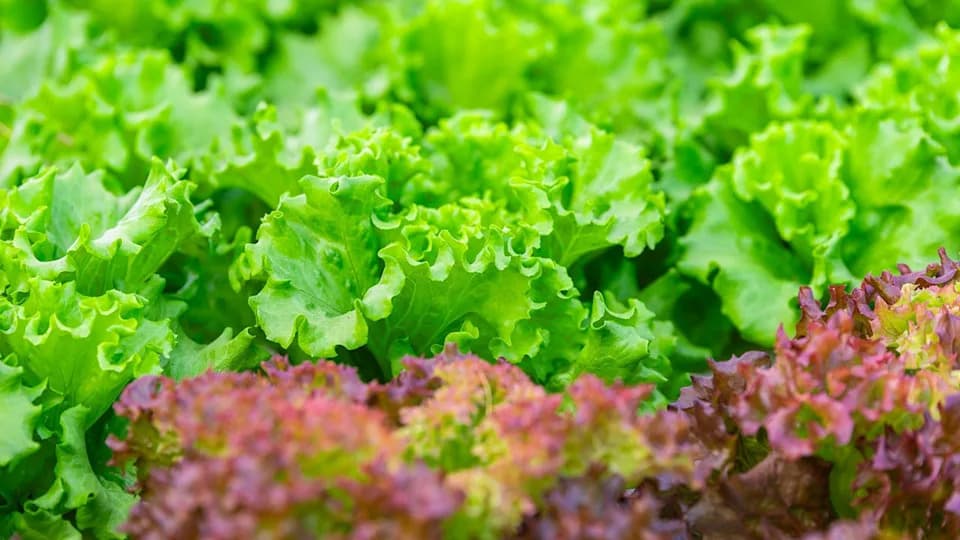
- July 17: Investigators identified Taylor Farms as the lettuce supplier for affected locations; the company issued a voluntary recall of iceberg lettuce sourced from central Mexico.
- July 19: The FDA reported identifying a "false positive" in testing of Taylor Farms' lettuce and said it had not yet confirmed any positive samples; Taylor Farms said the agency apologized, a claim the FDA disputed.
The FDA emphasized that a single false‑positive lab result does not change the agency's ongoing outbreak investigation or the epidemiological evidence supporting Taylor Farms' voluntary recall.
Scope, Symptoms And Concerns
Since May 1, the Centers for Disease Control and Prevention (CDC) has reported thousands of confirmed and suspected Cyclospora cases nationwide. Public reporting has varied by state and some figures in early reports appear inconsistent; health officials continue to update totals as investigations proceed.
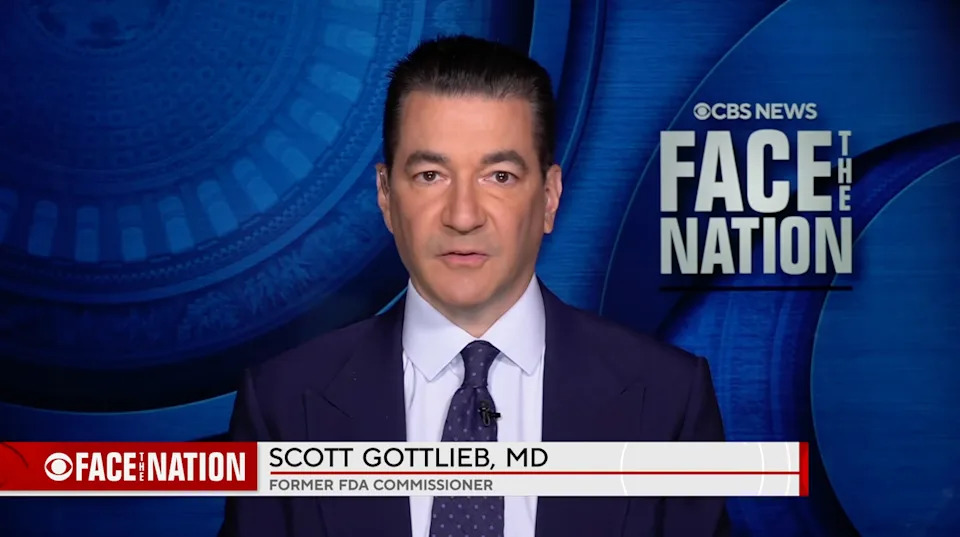
'I don't think it's under control yet, per se,' Gottlieb said of the outbreak. 'I think that they've done a good job, FDA has, [of] isolating this to central Mexico and some specific farms as well' (Face the Nation/CBS News/YouTube)
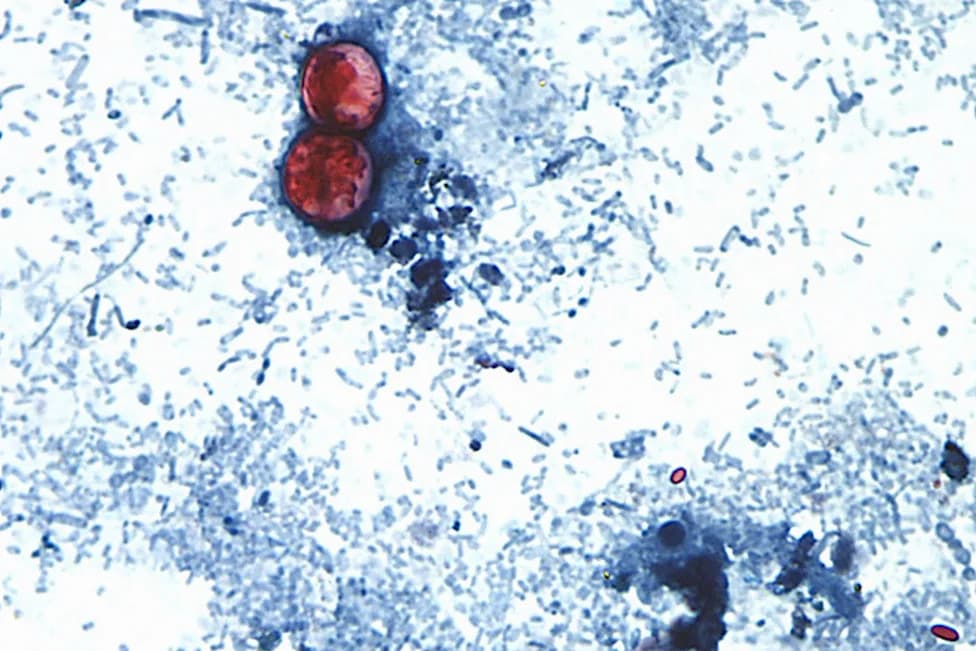
Cyclospora is a parasite typically spread by ingesting food or water contaminated with human feces. Infections can cause watery diarrhea, nausea, vomiting, fever and fatigue. Symptoms may resolve on their own, but the CDC recommends anyone who suspects they have Cyclospora contact a medical professional for diagnosis and possible treatment.
Political And Public‑Health Fallout
HHS Secretary Robert F. Kennedy Jr. said the outbreak is under control, a claim Gottlieb questioned on the broadcast: "I don't think it's under control yet, per se," he said, while acknowledging that the FDA has narrowed the likely source to central Mexico and specific farms. Gottlieb noted that the parasite's only known reservoir is human feces and suggested contamination likely originated from sewage exposure on growing fields, though investigators have not confirmed the exact mechanism.
Taylor Farms has donated millions of dollars in recent years to groups aligned with former President Donald Trump, a detail the Journal noted amid scrutiny over the company's outreach to the White House. As case counts continued to rise, federal health agencies faced criticism after the CDC removed Cyclospora from the FoodNet surveillance program last summer, a move critics say may have hindered early detection.
What comes next: Federal and state agencies say investigations and traceback work are ongoing. Officials urge consumers who are ill or believe they consumed the recalled product to seek medical care and report symptoms to public health authorities.
Help us improve.