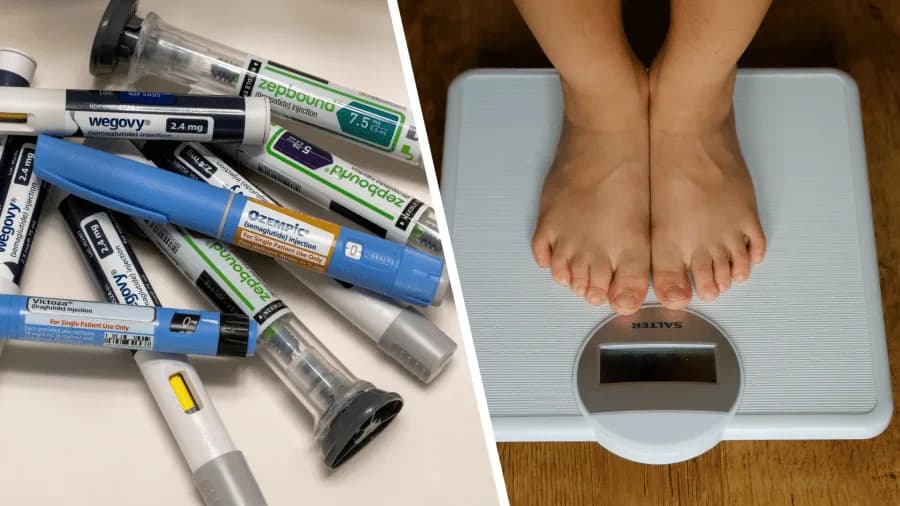
Harvard economist Rebecca Diamond’s June 2026 NBER working paper finds that women who began GLP‑1 treatment while unemployed saw their employment rate rise by nearly 27 percentage points after about 18 months, while employed women showed no comparable career gains. The pattern also appeared in personal relationships, with single women becoming married or cohabiting at much higher rates. Diamond interprets these results as evidence that first impressions and appearance bias contribute to the "female obesity penalty." Employers should respond by adopting structured hiring practices and confronting weight bias.
Pretty Privilege? Harvard Study Finds Women on GLP‑1s More Likely to Be Hired — What Employers Should Do

Do GLP-1's affect women at work? A new study may have an answer.getty
Do GLP‑1 medications change how women fare in the job market? A new working paper from Harvard economist Rebecca Diamond suggests they might — and the findings raise uncomfortable questions about appearance bias in hiring.
Prescriptions for GLP‑1 drugs have surged since 2024: use has roughly quadrupled and now sits at an all‑time high in the United States. Recent estimates put current use at just over 11% of U.S. adults, and about 15% report having used these medications at some point. Public debate has focused on health and weight outcomes; Diamond’s June 2026 National Bureau of Economic Research working paper, GLP‑1–Induced Weight Loss and the Female Obesity Penalty, highlights broader social and labor‑market consequences.
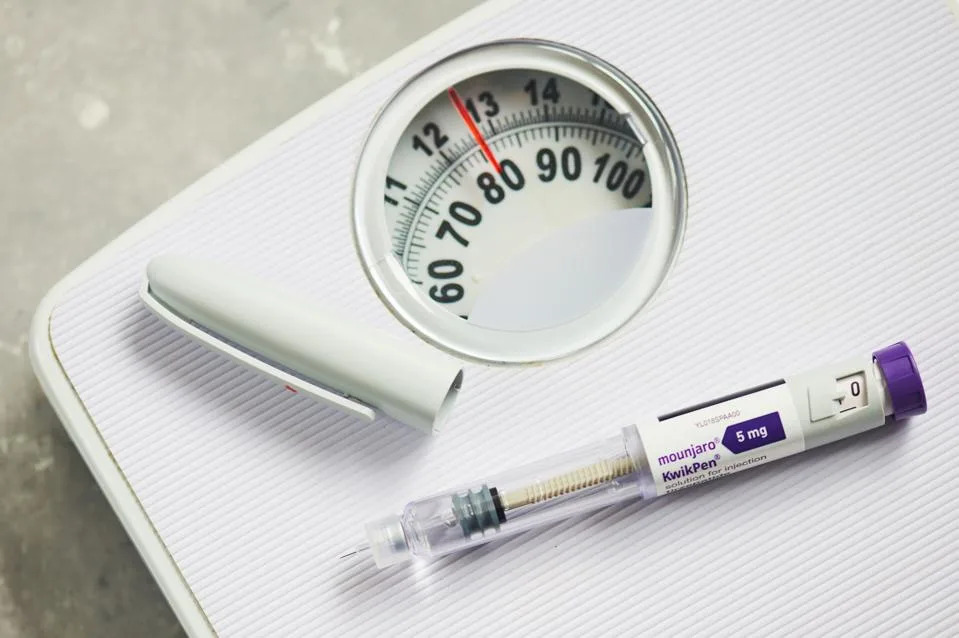
LONDON, UNITED KINGDOM - OCTOBER 8: A photo illustration of a mounjaro injection pen and some weight scales on October 8, 2025 in London, United Kingdom. (Photo by Peter Dazeley/Getty Images)
What the Study Found
Diamond compares women who began GLP‑1 treatment with women who intended to use these drugs but had not yet started. Key findings include:
- Unemployed women who started GLP‑1 treatment experienced a rapid increase in employment, with their employment rate rising by nearly 27 percentage points after about 18 months compared with the not‑yet‑treated group.
- Women who were already employed when they started GLP‑1 treatment showed no statistically significant gains in upward job mobility or moves into noticeably better positions as their weight declined.
- Among personal relationships, single women who began treatment were up to 28.6 percentage points more likely to marry or cohabit, while those already in relationships did not show greater stability.
How To Interpret These Results
Diamond interprets the pattern as evidence that part of the "female obesity penalty" operates through first impressions. When a hiring manager or potential partner only sees a person briefly, visible traits such as body size can be overweighted relative to underlying qualifications. Once coworkers or supervisors observe actual performance and competence, body weight becomes just one among many characteristics.

The interview process may uncover 'body bias' in the workplace.
Important caveat: These findings are not a prescription for medical choices. Decisions about GLP‑1 drugs are personal and should be made between patients and their clinicians — not employers.
What Employers Should Do
For organizations, the study is a reminder to reduce the influence of appearance on hiring and promotion. Practical steps include:
- Use structured interviews with the same job‑relevant questions for every candidate.
- Define clear, measurable hiring criteria tied directly to job tasks.
- Limit reliance on vague descriptors such as "executive presence," "polished," or "client‑ready" unless those terms are operationalized and linked to performance metrics.
- Consider anonymized resume screening where feasible and train interviewers to recognize and correct for appearance bias.
The most troubling implication of Diamond’s analysis is that qualified candidates may be overlooked at the first contact stage because of appearance‑based bias. Addressing that bias isn’t just a fairness issue; it’s a talent‑management imperative.
This article summarizes findings from Rebecca Diamond’s June 2026 NBER working paper and discusses implications for employers. It was originally published on Forbes.com.
Help us improve.