Ed Miliband has backed a push for the UK to lead in greenhouse gas removal technologies, committing public funds and a policy framework to scale Direct Air Carbon Capture and Storage (DACCS) and BECCS. Supporters see jobs and an essential tool for hard-to-abate sectors like aviation and farming; critics warn of high costs, energy demands and the risk of greenwashing. Key questions remain over cost trajectories, who pays and whether removals distract from deeper emissions cuts.
Is This Labour’s Boldest Net Zero Gamble? Britain’s Push To Pull CO₂ From The Air
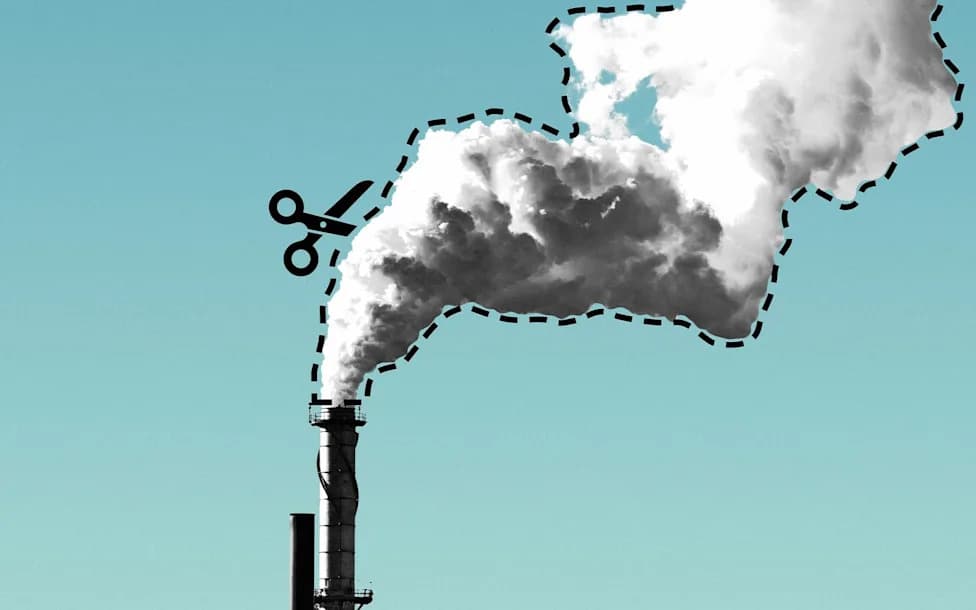
Illustration: Carbon capture
Days before leaving the energy brief, Ed Miliband signed off a plan aiming to position the UK as a global leader in greenhouse gas removal (GGR). The commitment, incorporated into a response to an independent review, tasks his successor, Miatta Fahnbulleh, with turning pilot projects and policy frameworks into large-scale deployment.
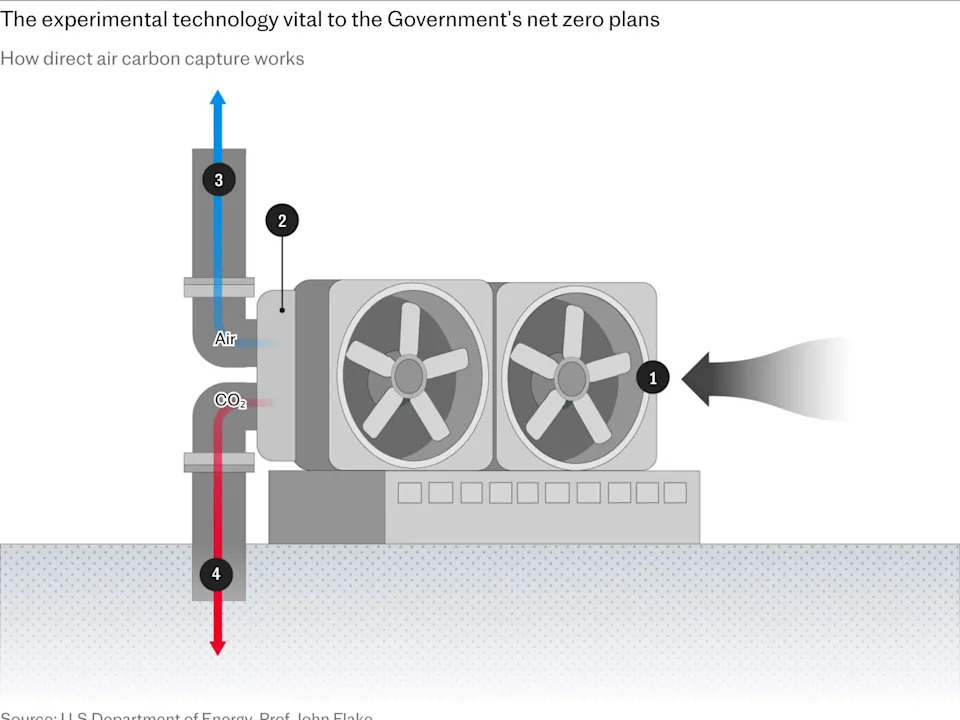
2507 How direct air carbon capture works
What The Plan Says
The Department for Energy Security and Net Zero argues the UK has 'world-class research institutions, engineering expertise and access to geological storage' and is progressing 'a world-leading, holistic GGR policy framework to enable UK deployment at scale.' The department has already committed about £56m to roughly a dozen Direct Air Carbon Capture and Storage (DACCS) trials.
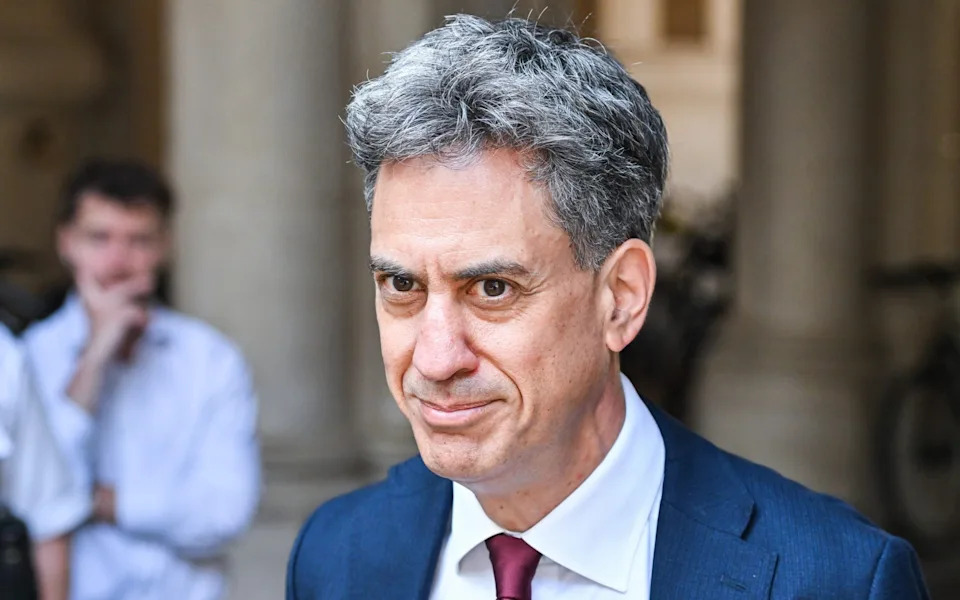
Ed Miliband wants the UK to be a 'global leader' in greenhouse gas removals - Wiktor Szymanowicz/Future Publishing via Getty Images
How Atmospheric Removal Works
CO2 is present in air at only about 0.04% concentration, so removing one tonne of CO2 requires processing roughly 1,600 tonnes of ambient air. Two engineered approaches dominate the discussion:
- DACCS (Direct Air Carbon Capture and Storage): large fans draw air through chemical filters that capture CO2, which is then compressed and stored.
- BECCS (Bioenergy with Carbon Capture and Storage): biomass is combusted for energy and the resulting CO2 is captured and stored, creating a net removal if the biomass regrows sustainably.
Where The CO2 Would Go
Captured CO2 could be injected into depleted oil and gas reservoirs beneath the North Sea or mineralised and buried. Pilot plants abroad include Iceland's Mammoth facility (up to 36,000 tonnes/year) and planned large-scale projects in the US (hundreds of thousands of tonnes/year).
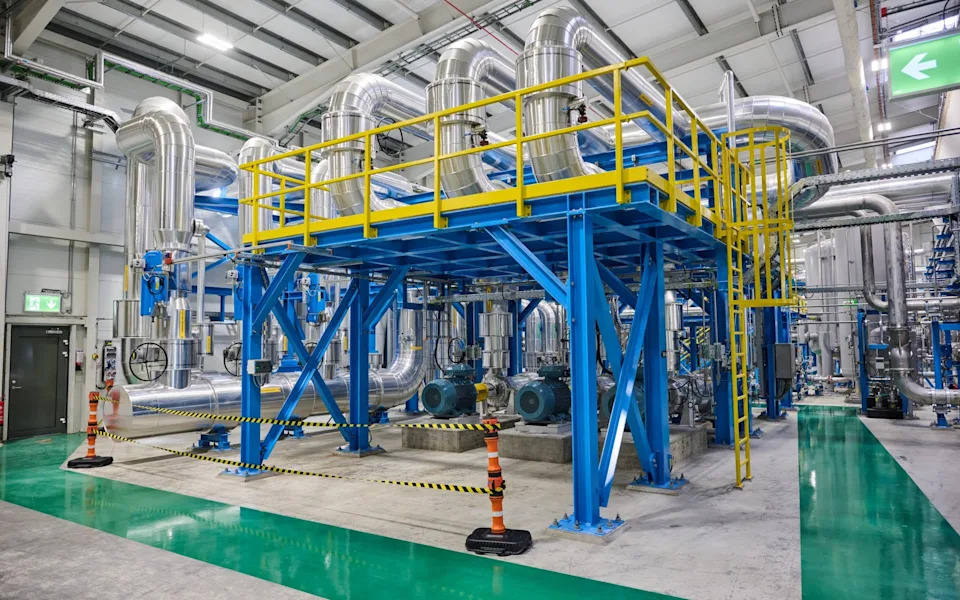
The Mammoth plant in Hellisheidi, Iceland, sucks carbon dioxide from the air and stores it underground - Halldor Kolbeins/AFP via Getty Images
Why The Government Is Interested
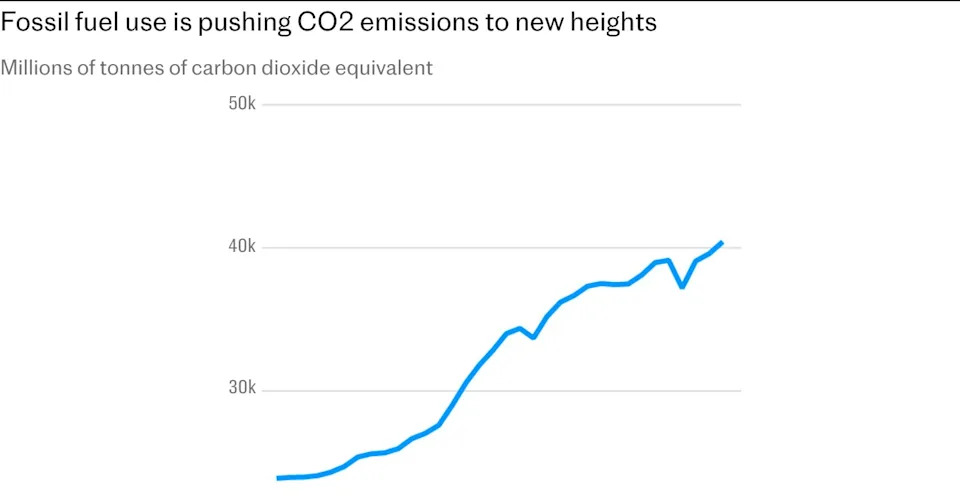
Although the UK produces under 1% of global annual CO2 emissions (roughly 40 billion tonnes worldwide), ministers and the Climate Change Committee see engineered removals as a necessary complement to emissions cuts for 'hard-to-abate' sectors such as aviation and livestock farming. For example, aviation emissions in the UK could rise from about 30 million tonnes in 2022 to 44 million tonnes by 2040, according to the Department for Transport.
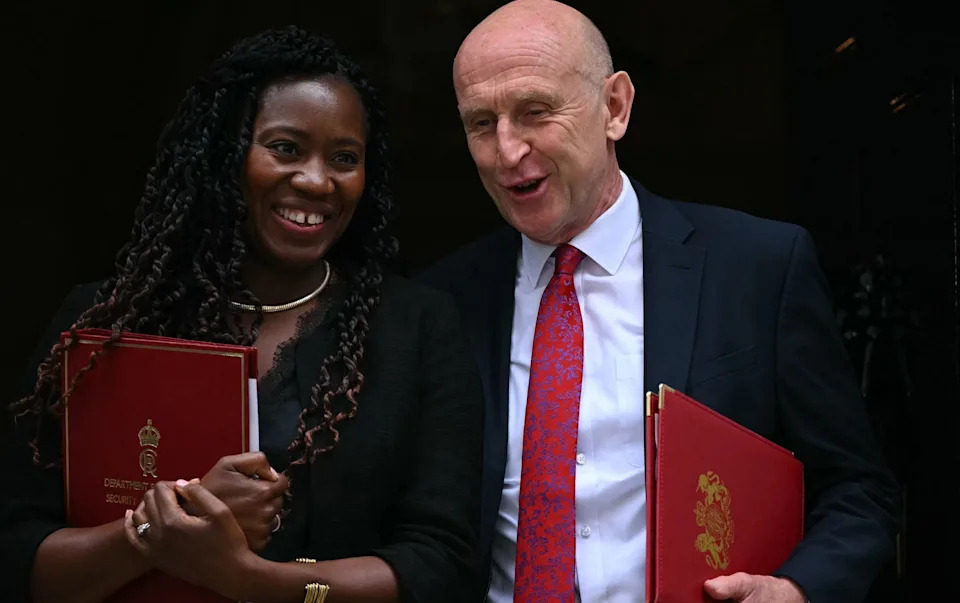
Miatta Fahnbulleh, the new Energy Secretary, pictured with John Healey, the Chancellor, the day after Andy Burnham appointed them to the roles - Justin Tallis/AFP via Getty Images
Costs, Criticism And Uncertainty
Cost remains the largest obstacle. A trial by Equinor and Rolls-Royce captured 4.4 tonnes of atmospheric CO2 at an estimated cost of ~£1,100 per tonne. Analysts and reviews offer a range of future cost estimates: Lord Whitehead's review put DACCS costs between about £259 and £578/tonne, while industry groups suggest costs might fall to £75–£225/tonne with scale and learning.
Practical implications are significant. A round-trip London–New York flight produces roughly two tonnes of CO2 per passenger, so at current or mid-range estimates additional removal costs could substantially raise fares if airlines pass the expense to customers.
Critics say carbon capture risks being used to 'greenwash' continued fossil-fuel use. Groups such as Real Zero Europe argue such projects could let polluters avoid deep emissions cuts, while some academics—most notably Professor Mark Z. Jacobson of Stanford—warn that, depending on energy inputs and system design, DACCS could worsen net emissions and air pollution.
Political And Economic Stakes
Proponents argue GGR could create skilled jobs, industrial opportunities and exportable technology while helping the UK meet climate goals without extreme behavioural restrictions. Opponents say investment should prioritise direct emissions reductions and low-carbon infrastructure. Policymakers now face trade-offs between immediate mitigation, future engineered removal capacity, public cost and political acceptability.
What Comes Next
The government will need to decide how to scale pilots, set regulatory frameworks for storage and monitoring, and determine who pays—airlines, taxpayers or a mixture of both. The debate will likely intensify as trials report results, costs evolve, and independent assessments refine projections for net value and environmental impact.
"The alternative," Lord Whitehead warned, "could be a low-carbon future with no industry, little transport and difficult-to-swallow mass behaviour change."
Help us improve.