Hosepipe bans are spreading across England as utilities respond to record-low river levels, prompting anger from gardeners who point to chronic leaks and heavy users such as AI data centres. Ofwat estimates nearly 793 million gallons (3 billion litres) of drinking water are lost daily through leaks—far more than a national hosepipe ban would save, Greenpeace says. Experts call for major pipe replacement and better planning for large water users, while households are urged to adopt drought-tolerant gardening and low-water practices.
Gardeners Defy Hosepipe Bans Across England as Anger Turns to Leaks and AI Data Centres
Photo Credit: iStock
Across England, hosepipe bans intended to protect dwindling water supplies are meeting resistance from gardeners and households who say the measures are unfair while the network continues to leak vast amounts of drinking water and large users such as AI data centres expand.
What’s Happening
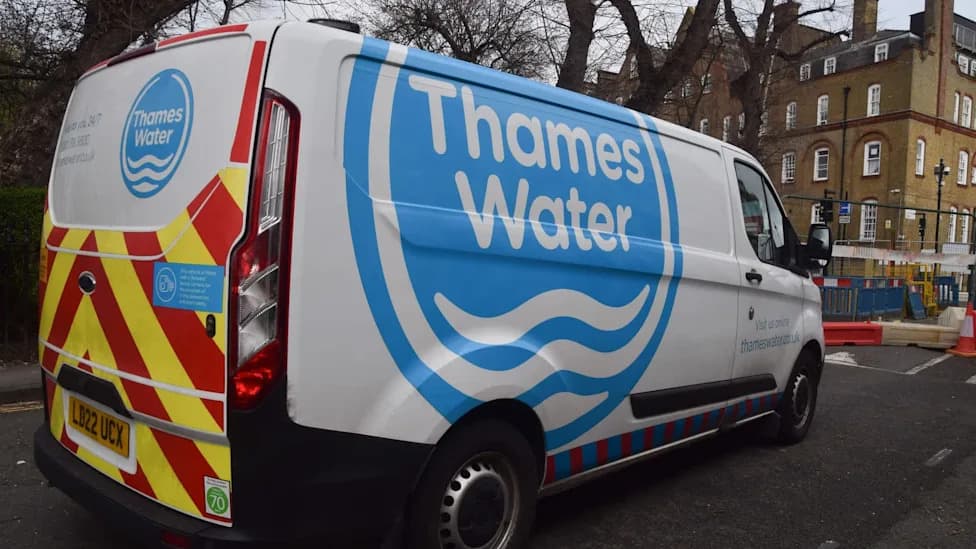
Thames Water introduced a hosepipe ban this week, expanding restrictions already imposed by Welsh Water, Anglian Water, Affinity Water, Southern Water, Cambridge Water and South East Water. The measures are a response to exceptionally low river levels and rapidly falling reservoirs.
Public Reaction
Many residents view the bans as deeply personal. Gardeners worry about losing plants and lawns they have invested time and money in; some disabled people eligible for exemptions say they feel scrutinised by neighbours.
Harry, 24, Essex: "Unless they turn the taps off, I'm still going to use it."
Isabella, 24, garden centre worker: "Some exempt customers feel like they are being watched by their neighbours."
Leaky Pipes and Large Water Users
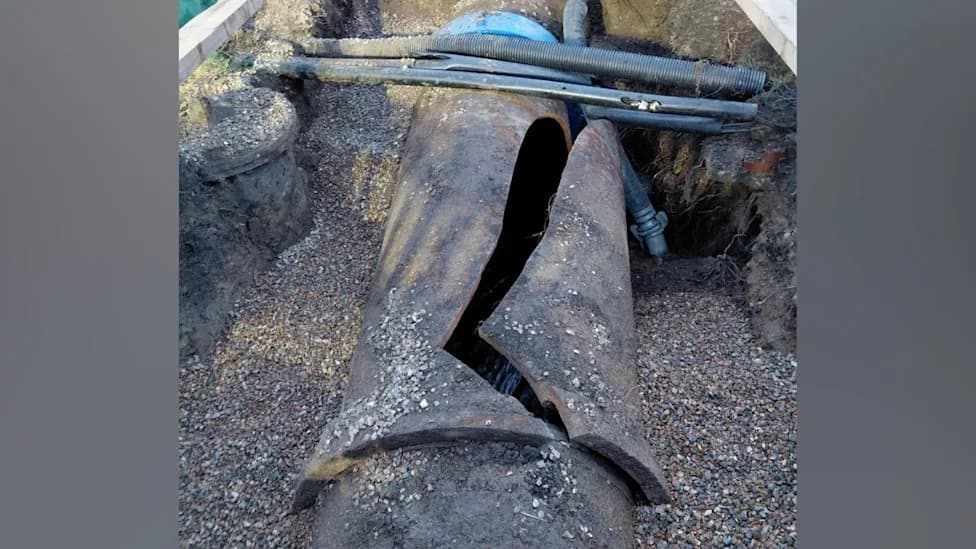
Questions about fairness focus on infrastructure and large consumers. Ofwat estimates England and Wales lose nearly 793 million gallons (about 3 billion litres) of drinking water every day through leaks. Greenpeace UK says that volume is roughly five times larger than the water a national hosepipe ban would save.
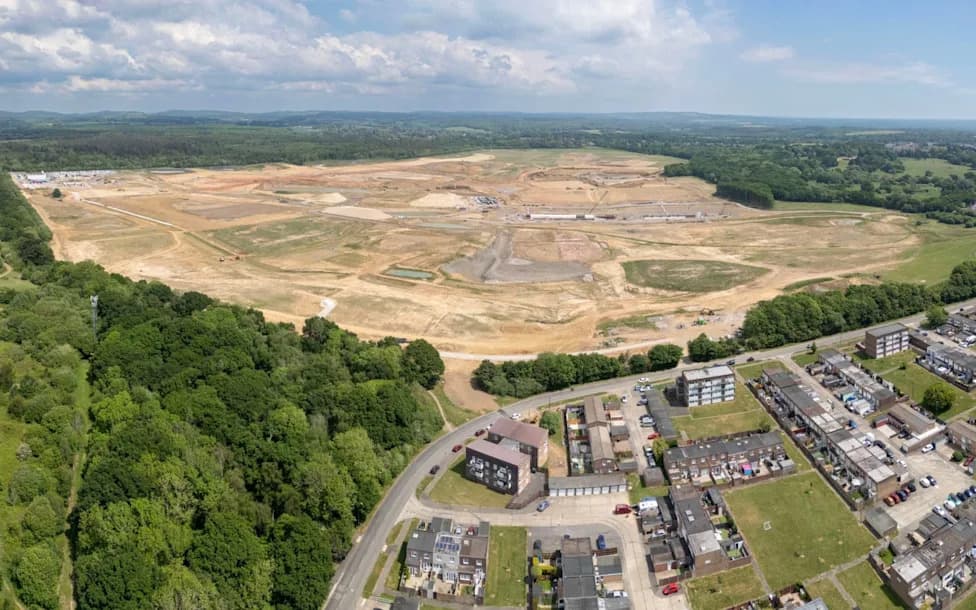
At the same time, Water UK and others have raised concerns that rapid growth in data centre capacity—many sites concentrated in the south and south-east—has not been matched with adequate planning for water demand.
Why Companies Say Bans Were Necessary
Daniel Johns, Water Resources East: "River levels have reached all-time lows and water companies have had no choice."
Water managers say emergency measures are needed to protect public supplies while shortages persist.
Health, Household And Environmental Risks
Adapting to restrictions can create secondary risks: extreme heat is hazardous for older people and those with chronic illnesses, reliance on gas appliances can increase indoor air pollution, and some substitutes for normal cleaning may carry health or environmental harms.
Long-Term Fixes
Experts argue that tackling leaks and ageing infrastructure is central to any lasting solution. Vanessa Speight, a water systems professor at the University of Sheffield, notes the network averages about 80 years old and that replacing pipes, though disruptive, is necessary. "If leaks were properly addressed, the need for hosepipe bans would likely be very small," she says.
Practical Advice For Households
Gardeners are being encouraged to prioritise thirsty or sentimental plants, adopt drought-tolerant species, and use low-water techniques. Practical measures include watering with cans early in the day, collecting greywater where permitted, installing water butts, and focusing on young plants that need the most protection.
Tim Parry, Isle of Wight gardener: "Lawns may look dry and brown now, but they often recover. Prioritise the plants you care about most."
What’s Next
The debate is now political as well as practical: calls for accelerated pipe replacement, tighter planning on water use by data centres, and clearer, fairer exemptions continue to grow. For households, the immediate choices will be whether to comply, adapt, or push for faster infrastructure fixes.
Help us improve.