Sen. Adam Schiff has introduced two bills to increase transparency in online political advertising: one to require labels on certain paid influencer audiovisual and audio posts, and another to ban fraudulent AI-generated impersonations of candidates and committees. The push follows heavy influencer spending in the California governor’s primary and a wave of quick AI video ads in the Los Angeles mayoral race. The measures would expand existing campaign-ad rules, but face enforcement and technical challenges as AI tools evolve rapidly. If enacted, the bills aim to give voters clearer information about who pays for political messages and to reduce deceptive AI-driven content.
Schiff Proposes Bills To Label Paid Influencer Political Posts And Curb AI-Impersonation
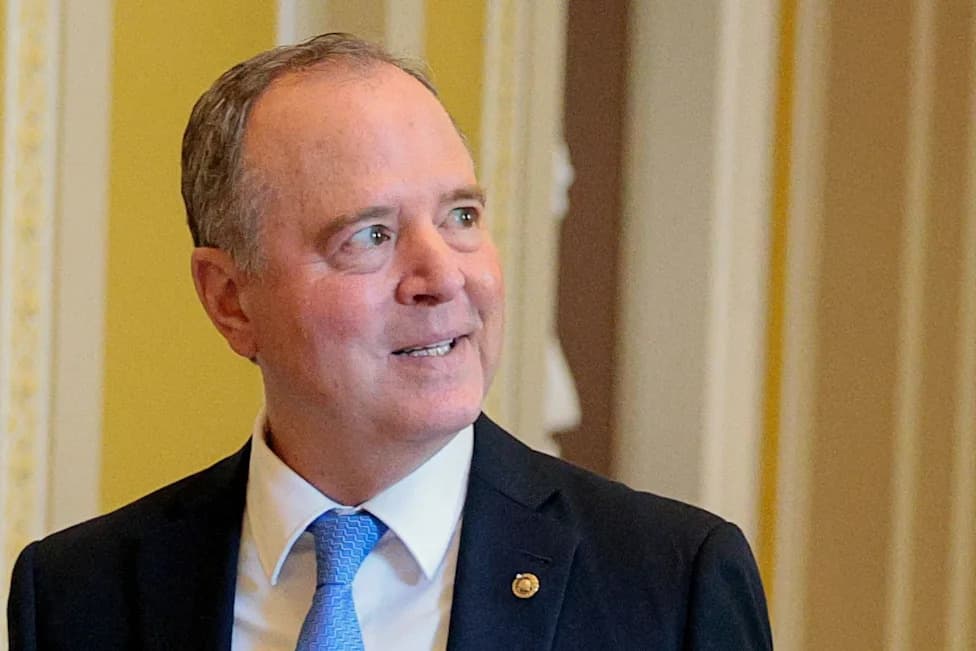
Senate Democrat’s new bills would restrict AI-powered ads and paid influencers
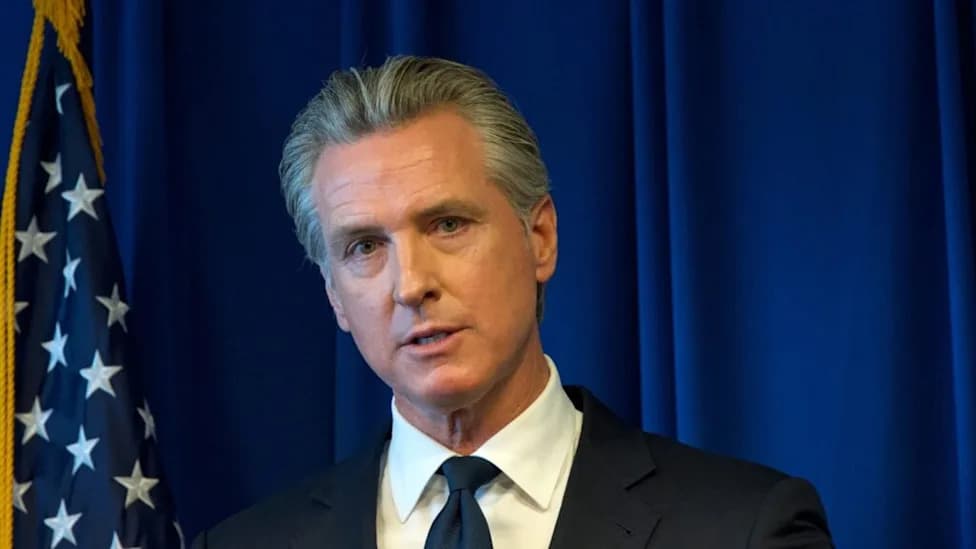
Sen. Adam Schiff (D-Calif.) plans to introduce two bills aimed at bringing greater transparency and accountability to online political advertising: one to require clear labels on certain paid influencer posts and another to prohibit fraudulent AI-generated impersonations of candidates and committees.
What The Bills Would Do
Promoting Authenticity With Influencer Disclaimers Act would amend the Federal Election Campaign Act to require influencers to disclose when audiovisual or audio-only political content is paid for by a political committee. The requirement targets paid partnerships used to influence voters and would mirror California’s digital disclosure rules at the federal level.
AI Ads Act would expand existing prohibitions on candidate impersonation to explicitly include content generated by artificial intelligence. First introduced by Schiff in the House in 2024, the bill would bar the "fraudulent misrepresentation of political candidates or committees" by AI and strengthen penalties for damaging, deceptive content.
Why Schiff Is Pushing These Changes
Schiff’s proposals were prompted by two recent California primary contests. In the Democratic gubernatorial race, billionaire Tom Steyer’s campaign spent millions on paid posts from news influencers, with some creators reporting six-figure payments under California’s disclosure rules. In the Los Angeles mayoral contest, Republican Spencer Pratt’s viral — ultimately unsuccessful — run relied in part on a wave of quickly produced AI-generated video ads.
"California's primary this year made a clear case that our current guardrails around campaign advertisements are not keeping up with the changing landscape of political speech," Schiff said. "Adding disclaimers to help give voters the full picture and protecting against misrepresentation helps treat these forms of advertising like any other in our landscape, and close a pernicious loophole in our current election rules."
Enforcement, Challenges And Context
Political video ads are regulated by the Federal Election Commission (FEC), while the Federal Trade Commission (FTC) enforces consumer-advertising disclosure for product endorsements. That division has left a loophole that makes paid political influencer content easier to deploy without the same scrutiny as traditional ads. Both parties have taken advantage of the gap, funneling millions to creators and commentators.
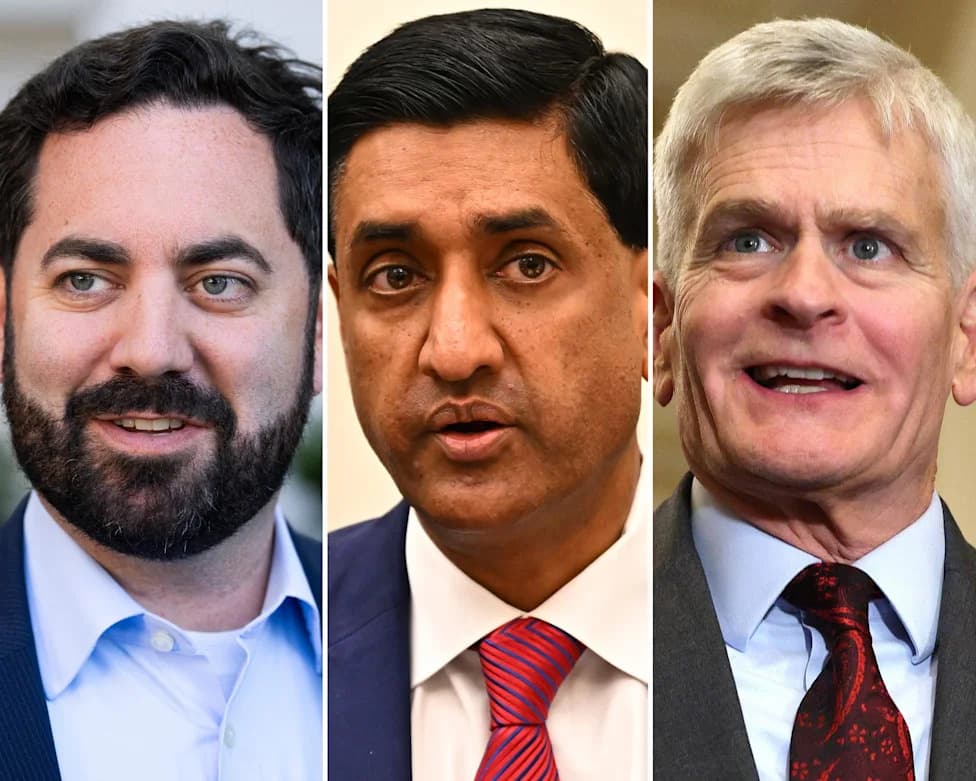
Other related efforts include the PAID Act in the Senate (mirroring Rep. Mark Takano’s House bill) and a separate transparency bill from Sen. Sheldon Whitehouse that would similarly require influencer disclosures. Some states, including Texas, have already moved to require disclosures for relatively small payments to influencers.
Regulating AI-generated political content presents additional difficulties. Rapid improvements in generative tools may make it increasingly hard to distinguish human-created material from AI-assisted work, complicating rules that rely on clear lines between the two.
What Comes Next
Schiff’s bills will face a legislative process that includes committee review, debate over enforcement mechanisms, and potential legal challenges on First Amendment and technological grounds. With midterm campaigning accelerating, the proposals aim to give voters clearer information about who is paying for political messages and to deter deceptive AI-driven impersonations before the next major election cycle.
Help us improve.