California's AB 1130 gives regulators the authority to fine influencers up to $5,000 per undisclosed paid political post and to refer suspected violations to law enforcement as possible misdemeanors. The law, signed by Gov. Gavin Newsom, responds in part to reporting that Tom Steyer paid creators whose posts lacked disclosure. States including Texas are moving toward comparable rules as campaigns lean on online creators to reach younger voters. The measure shifts disclosure from a largely paper-based system to one with enforceable penalties, likely prompting stronger contracts, training, and compliance.
California Will Fine Influencers Up to $5,000 for Undisclosed Political Posts — AB 1130 Strengthens Enforcement

Photo Credit: iStock
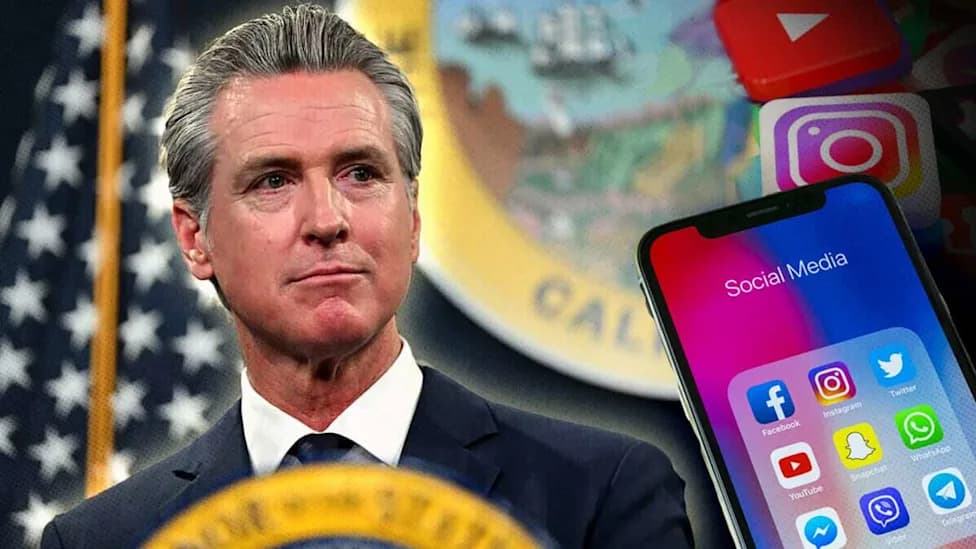
California has enacted AB 1130, a law that gives regulators the power to fine social media influencers up to $5,000 for each undisclosed paid political post and to refer suspected violations to law enforcement as potential misdemeanors.
What the Law Does
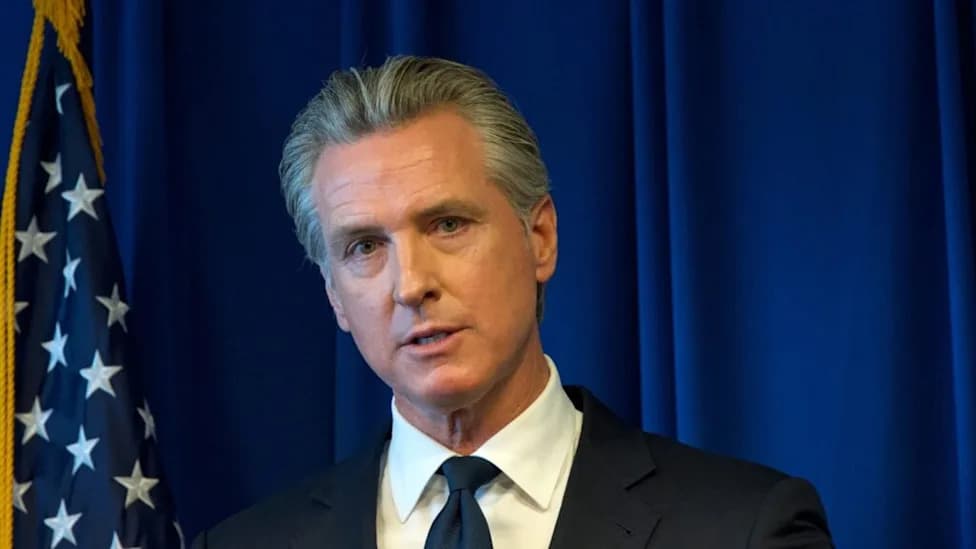
Signed by Governor Gavin Newsom, AB 1130 tightens disclosure requirements for creators who are paid to promote state or local campaigns. While disclosure rules previously existed on paper, the new statute creates clear enforcement mechanisms — including civil fines and possible criminal referrals — to deter nondisclosure.
Why It Matters
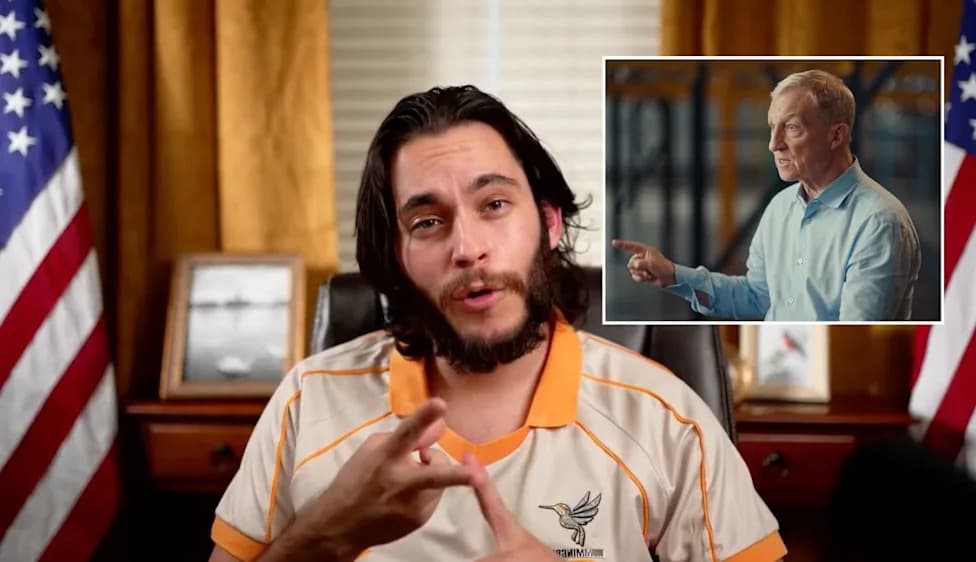
Media reports, including coverage by The New York Times, spotlighted the issue after billionaire Tom Steyer paid dozens of influencers to post about his campaign; many of those posts initially lacked clear disclosure that they were sponsored. That reporting prompted a push to make penalties real and enforceable.
Broader Context and Reaction
Texas already requires labels for paid political content, and several other states are considering similar measures as campaigns increasingly rely on online creators to reach younger voters. Supporters say the law will make it easier for the public to tell when political messaging is paid, while critics warn it could complicate content creation and campaign outreach.
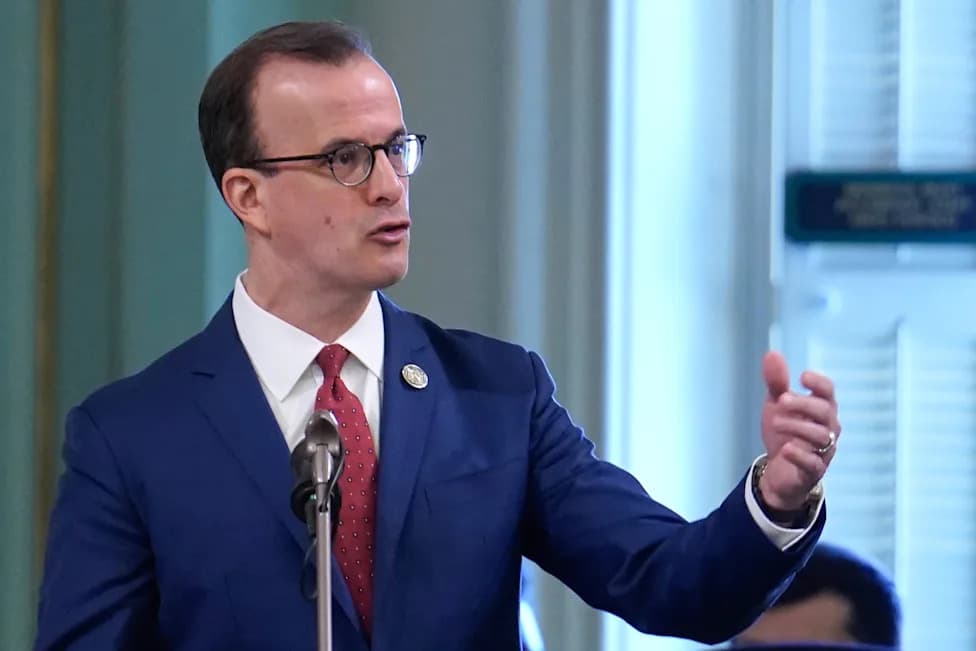
Assemblyman Marc Berman said he introduced the bill after noting "a bit of ambiguity about the [existing] law and how it's enforced."
Practical Effects
The change is expected to prompt more explicit disclosure labels and push campaigns, agencies, platforms, and creators to strengthen compliance processes. Influencers accepting political sponsorships may need clearer contracts, improved training on disclosure rules, and more rigorous prepublication checks. Campaign compliance teams and platforms could also face added scrutiny.
Related Developments
Observers point to wider political and regulatory activity in California: major corporate spending in the governor's race targeting Tom Steyer, a state lawsuit against ExxonMobil over alleged misinformation about plastics recycling, and local measures such as Napa County's stricter plastic bag ban that allows steep daily fines for violations.
As enforcement begins in California, campaigns and creators nationwide will be watching to see how regulators apply the new penalties and whether the law influences similar rules elsewhere.
Help us improve.