A pre-Hispanic burial discovered in Antiguo Cuscatlán, near San Salvador, may date to about 850 B.C.; excavation began on July 21. Archaeologists recovered a human skull, a Usulután-style ceramic vessel shaped like a sea turtle, and cassava branches preserved by volcanic ash. The remains were found face down; radiocarbon dating and DNA tests are underway to determine the burial’s age and the individual’s sex. Researchers say the find could be among the oldest pre-Hispanic burials in Mesoamerica and will be compared with Chalchuapa-era discoveries.
3,000-Year-Old Pre-Hispanic Burial Near San Salvador Yields Skull, Turtle-Shaped Vessel and Cassava Remains
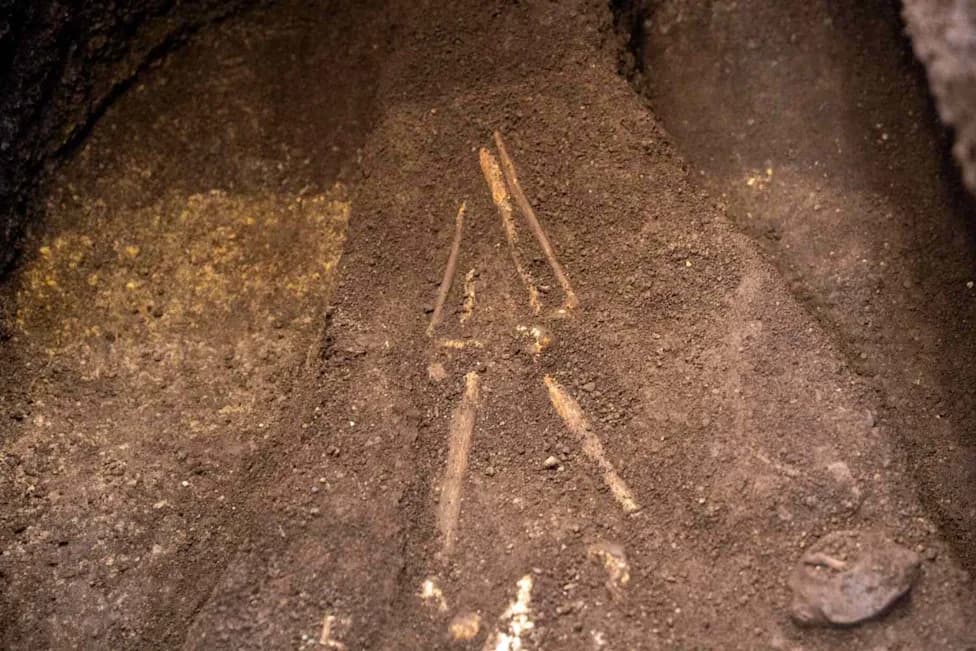
Remains found near San Salvador in El SalvadorCredit: El Salvador Ministry of Culture
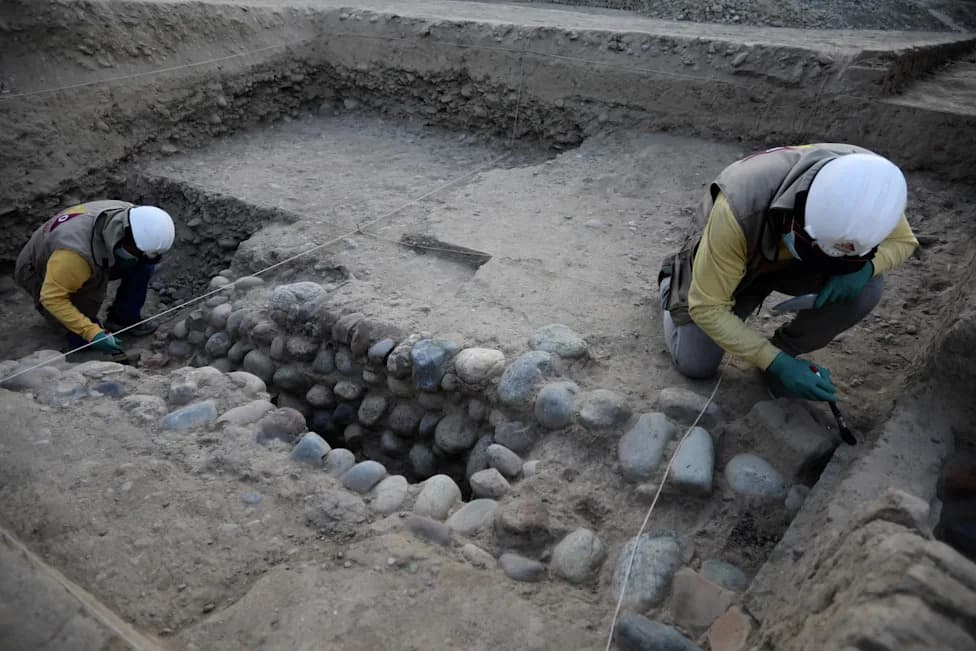
Archaeologists have uncovered a pre-Hispanic burial in Antiguo Cuscatlán, a suburb of San Salvador, that may date to roughly 850 B.C. Excavation of the site began on July 21 under the direction of Carlos Flores Manzano, a doctoral candidate at Yale University, with supervision from conservators and archaeologists from El Salvador’s National Directorate of Culture.
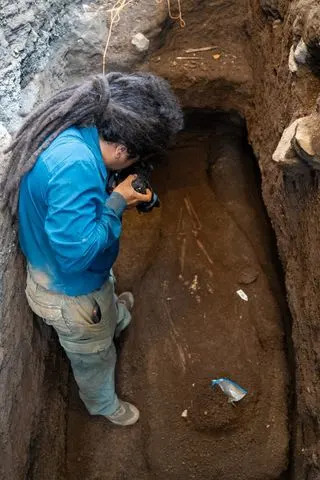
Pre-Hispanic burial site discovered near San Salvador in El SalvadorCredit: El Salvador Ministry of Culture
Key Finds
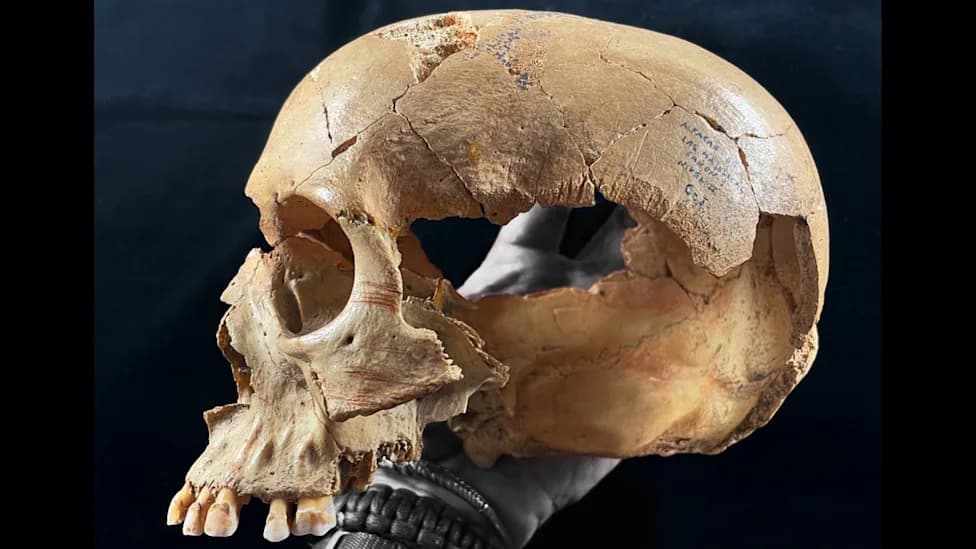
Investigators recovered a human skull within the burial context, a small Usulután-style ceramic vessel modeled in the shape of a sea turtle, and botanical remains. Layers of volcanic ash at the site appear to have helped preserve cassava branches associated with the interment.
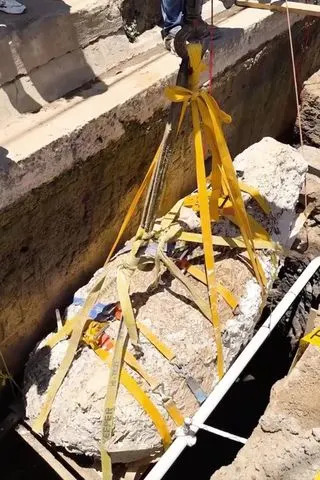
Pre-Hispanic burial site discovered near San Salvador in El SalvadorCredit: El Salvador Ministry of Culture
“Due to its antiquity, this find could become one of the oldest pre-Hispanic burials in Mesoamerica and would provide new information about the populations that inhabited this region more than two thousand years ago,” the Ministry of Culture said in a statement.
Condition and Analysis
The skeletal material was found face down. Radiocarbon dating is planned to establish a precise age for the burial, and DNA testing is underway to determine the biological sex and contribute to broader population studies. Conservators are carefully documenting and stabilizing the finds before laboratory analyses proceed.
Archaeological Context
Researchers note possible parallels with discoveries at the Chalchuapa archaeological complex in western El Salvador, where excavations in the 1970s uncovered multiple burials. Reporting on Chalchuapa indicates a mix of complete and partial skeletons and isolated skulls, with some individuals found face down or showing signs of binding or trauma—details that archaeologists will compare to the Antiguo Cuscatlán context as analysis continues.
Field teams will continue excavation and laboratory testing to clarify the burial’s age, cultural affiliation and the circumstances surrounding the interment. Results from radiocarbon dating and DNA analyses will be released when available.
Help us improve.