Hospitals and police in cities including Detroit and New York City report a surge in serious injuries linked to electric bikes, particularly faster Class 3 models that can reach 28 mph. A Neurosurgery study found bike- and scooter-related trauma at Bellevue rose from under 10% of ER trauma cases in 2018 to more than 50% by 2023, and nearly one-third of 914 patients suffered traumatic brain injuries. Low helmet use, alcohol involvement and collisions with vehicles are major contributors, prompting calls for helmet rules, safer bike lanes and stronger enforcement.
Surge in E-Bike Injuries Sends More Americans to ERs — Experts Urge Helmets and Safer Infrastructure
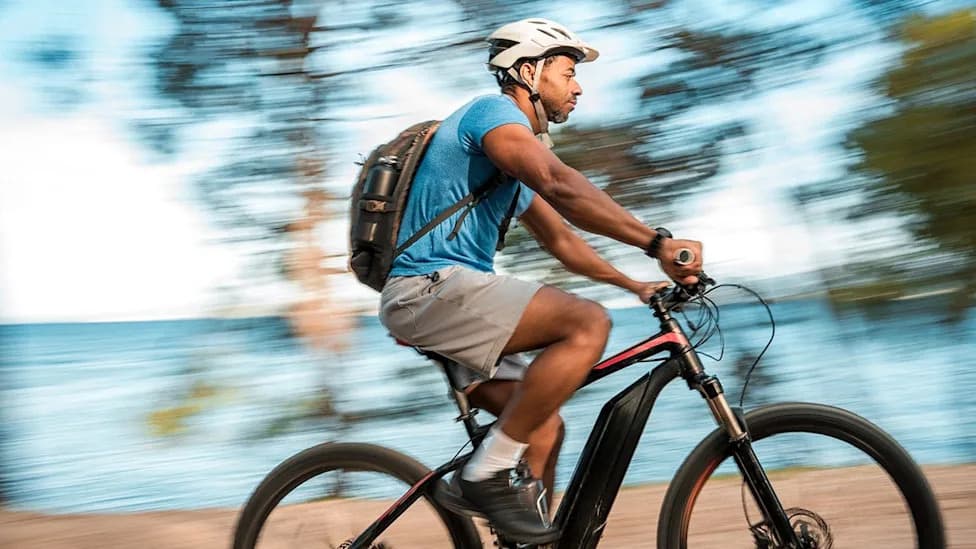
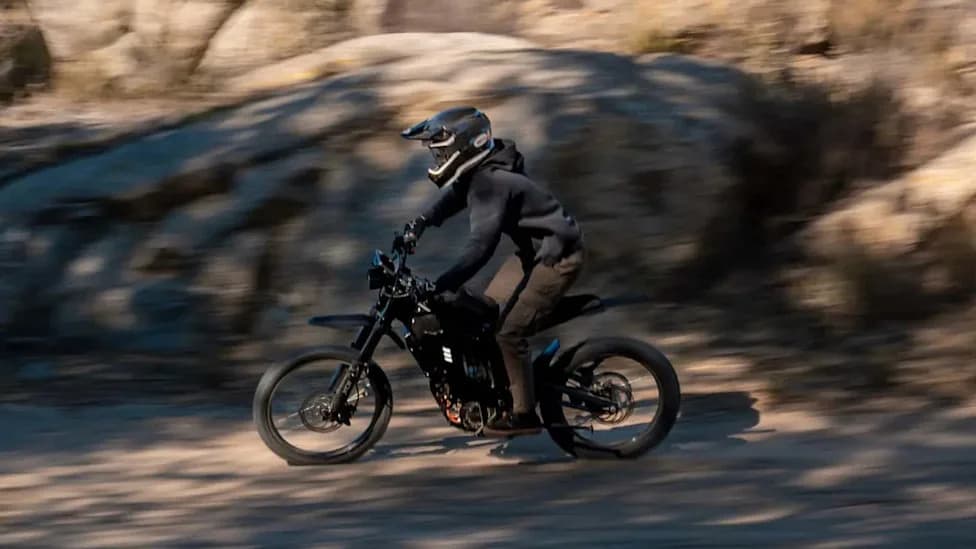
man riding an electric mountain bike along the seaside, wearing a safety helmet.
The Detroit metropolitan area and other U.S. cities are reporting a sharp rise in serious injuries tied to electric bicycles (e-bikes). Local police and emergency-room physicians say they're seeing more crashes and severe trauma associated with faster, heavier Class 3 e-bikes — prompting calls for helmet use, better infrastructure and stronger enforcement.
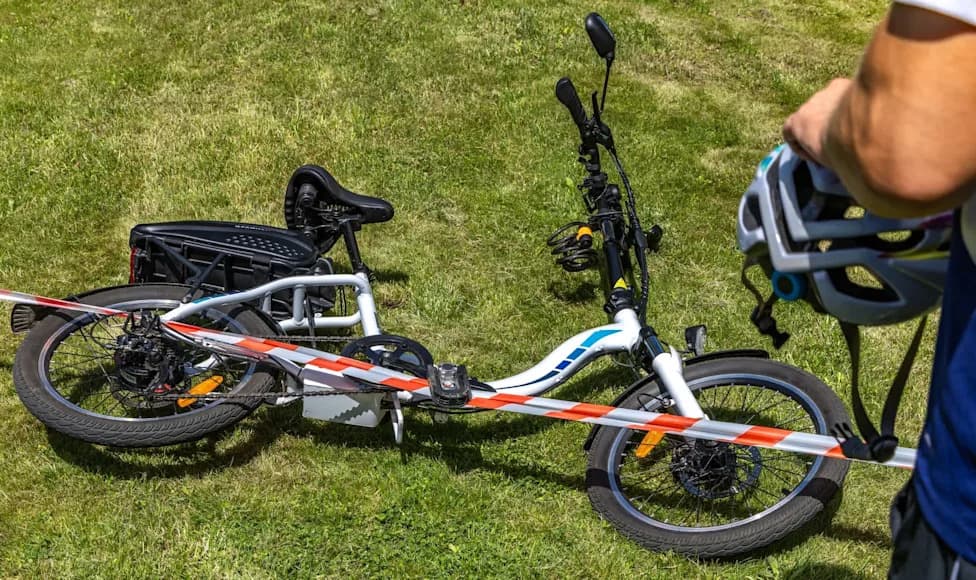
Police are reportedly seeing a rise in e-bike crashes, while doctors say they're treating a growing number of related injuries.
Rising Injuries and Local Reports
Fox 2 Detroit reports that both law enforcement and hospital staff have noted an uptick in e-bike incidents. Dr. Robert Sherwin, an emergency physician at the Detroit Medical Center, told the station that presentations range from minor abrasions to major, life-threatening injuries.

E-bike rider Cam Cason told Fox 2 Detroit that e-biking is "way better than a car."
"These Class 3 bikes are probably more like motor vehicles," Dr. Sherwin said. "They travel up to 28 miles an hour, and a lot of riders aren't expecting that or aren't experienced."
Why Some E-Bikes Are More Dangerous
Many modern e-bikes are heavier than traditional bicycles and, in the case of Class 3 models, can reach speeds up to 28 mph. That combination of weight and speed increases the force of impacts in collisions — and the human body is no more resilient because a bike has a motor.
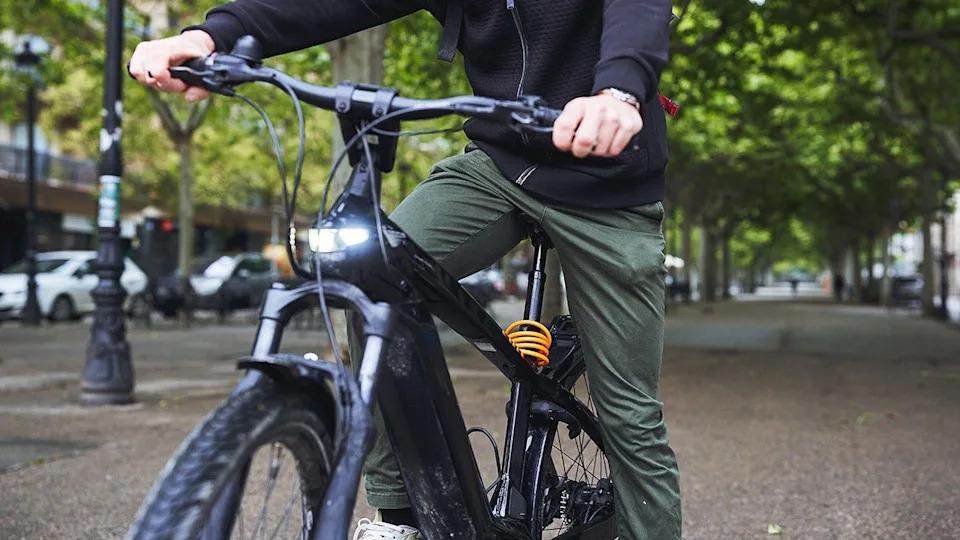
Trauma cases related to e-bikes seen in the emergency room increased from less than 10% in 2018 to more than 50% by 2023.
Key Research From New York
NYU Langone Health and a study published in Neurosurgery examined trauma admissions at NYC Health + Hospitals/Bellevue and found that pedal-powered and electric bikes and scooters accounted for nearly 7% of trauma admissions. The proportion of bike- and scooter-related trauma cases seen in the ER rose from under 10% in 2018 to more than 50% by 2023.

Pedestrians struck by electric vehicles suffered brain injuries at nearly double the rate of riders, researchers found.
- Of 914 patients treated for bike- and scooter-related injuries, about one-third sustained a traumatic brain injury (TBI).
- More than two-thirds required hospital admission and roughly 30% needed intensive care.
- Collisions with cars or trucks were the most common cause, accounting for about half of all incidents.
- Fewer than one-third of injured riders were wearing helmets; lack of helmet use was linked to significantly higher rates of brain and facial injuries.
- Twenty percent of patients tested positive for alcohol, which correlated with more severe head trauma and lower helmet use.
- Pedestrians struck by electric vehicles suffered brain injuries at nearly double the rate of riders.
"Micromobility injuries are producing serious brain and spinal trauma that demand neurosurgical care at a scale we haven't seen before," said Hannah Weiss, MD, corresponding author of the study. Paul P. Huang, MD, noted that urban infrastructure must evolve to match the rapid growth in e-bike and scooter use.
Policy Responses and Prevention
In response to rising incidents, some states have tightened e-bike rules. New Jersey enacted a law this year requiring registration for e-bikes and setting a minimum rider age of 15; operators must hold either a valid driver's license or an e-bike license. Supporters say licensing, helmet mandates and registration promote safer riding and accountability.
What experts recommend:
- Wider helmet adoption and public education campaigns.
- Safer bike-lane design, including protected lanes separated from vehicle traffic.
- Speed enforcement and clearer classification of e-bike types (Class 1, 2, 3).
- Targeted measures to reduce alcohol-impaired riding.
Takeaway
The rise of faster, heavier e-bikes has contributed to a notable increase in severe injuries in urban settings. Combining better safety habits (helmet use, sober riding) with improved infrastructure and sensible regulation could reduce the number and severity of these incidents for both riders and pedestrians.
Help us improve.