Bryan Johnson announced he produced a "baby" version of his cells in a petri dish, but he did not create a living cloned infant. What he generated were induced pluripotent stem cells (iPSCs), which can become many cell types and are useful for research. While iPSCs hold promise for tissue repair, reliable methods to grow full, transplantable organs from a person’s own cells do not yet exist, and xenotransplantation from pigs remains experimental and problematic.
Bryan Johnson Says He 'Cloned' a Newborn Version of Himself — What He Actually Did and Why Experts Say It's An Exaggeration

Illustration by Tag Hartman-Simkins / Futurism. Source: Hubert Vestil/SXSW Conference & Festivals via Getty Images; Shutterstock
Tech investor Bryan Johnson recently posted that he has a "baby" version of himself developing in a petri dish and suggested this could be used to grow organs and even reverse aging. The claim, paired with an edited photo of Johnson as an infant, sounds like science fiction — but the underlying work is more prosaic and far less sensational.
What Johnson Announced
In an update on X, Johnson—who has publicly disclosed an incurable illness—wrote that his team produced a "baby" iteration of his cells. He framed the work as a step toward having personalized tissue for transfusions or eventual organ replacement, calling it a potential path to "reverse aging." He also acknowledged that some people might find the idea "scary" or dystopian.
What He Actually Created
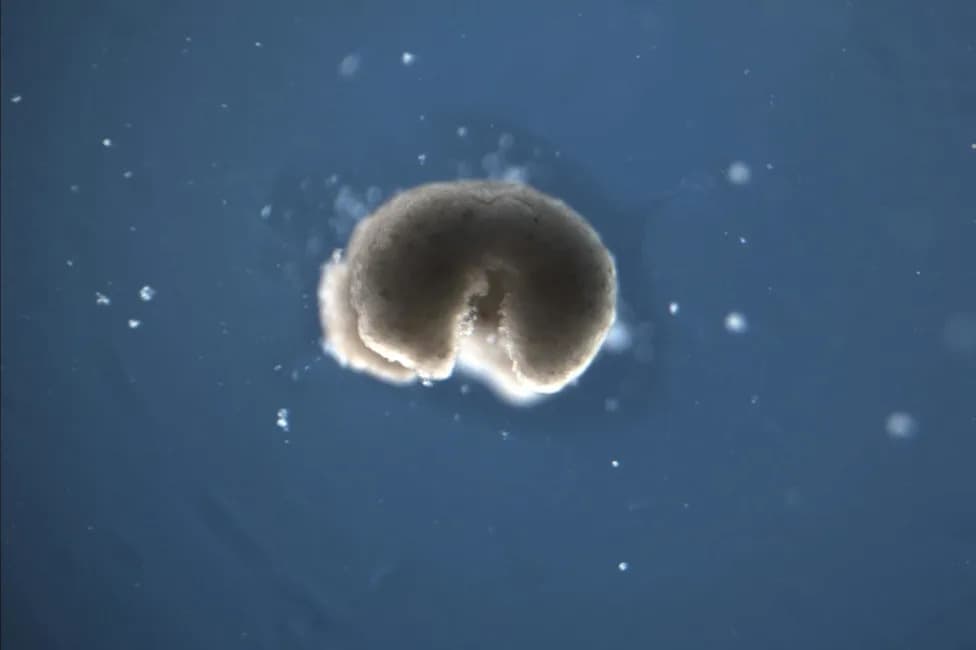
Johnson did not create a living infant clone. Instead, his team generated induced pluripotent stem cells (iPSCs) from his own tissue. iPSCs are adult cells reprogrammed to an embryonic‑like, pluripotent state: they can self‑renew and have the potential to become many different cell types, which makes them valuable for research into tissue repair and disease modeling.
"This may be scary to some people… a dystopian future. But, for others, they will see it as the inevitable future of health." — Bryan Johnson
Potential — And Current Limits
While iPSCs are promising for regenerative medicine, turning them into whole, transplantable organs remains a major scientific and technical challenge. Researchers are exploring approaches such as growing tissues inside large animals (for example, pigs) and laboratory organoids, but those experiments have not produced reliable, human‑ready organs. Efforts to grow organs in animals have often stopped at early developmental stages, and no routine, safe method exists for creating full organs from a single person's iPSCs.
Separately, xenotransplantation—transplanting organs from genetically modified pigs into humans—has advanced to a few experimental procedures, but the limited cases in brain‑dead recipients showed rapid immune rejection over days and numerous complications. In short, neither personalized organ growth from iPSCs nor mainstream pig‑to‑human transplants are yet practical or proven solutions for most patients.
Takeaway
Johnson's iPSC work reflects real and exciting science, but his framing as a "newborn clone" that will soon supply ready‑made organs overstates the current state of the field. The research is important and worth watching, yet claims about imminent, personalized organ replacement or reversing aging remain speculative.
Help us improve.