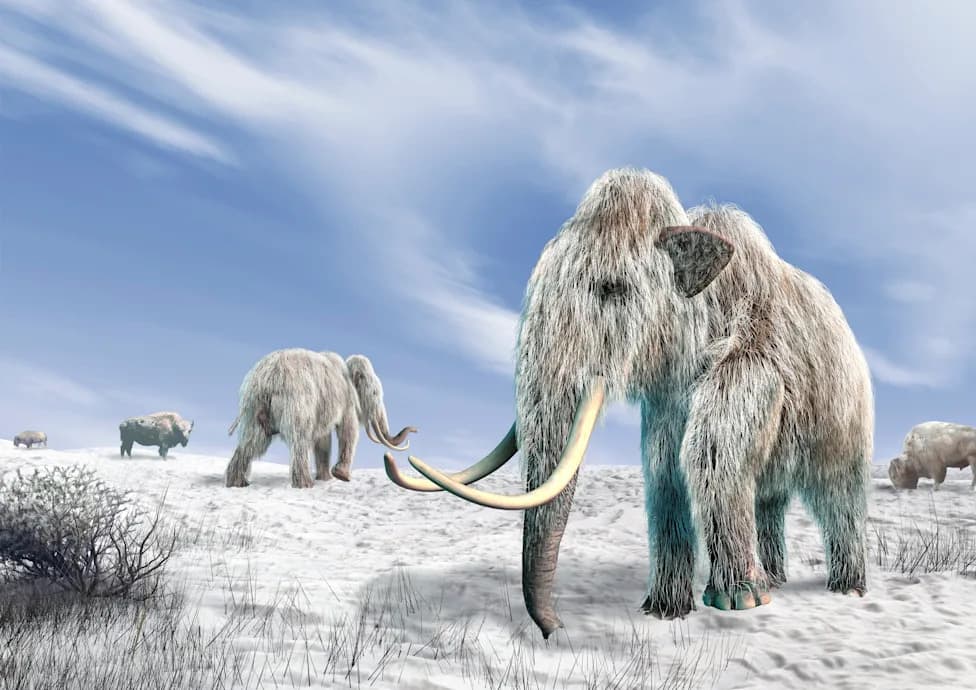
Dolly the sheep, born at the Roslin Institute on July 5, 1996, was the first mammal cloned from an adult somatic cell and overturned the belief that specialised adult cells could not be reprogrammed. Her announcement in 1997 sparked a global ethical debate and prompted new scientific and regulatory attention to cloning and stem cell research. Dolly lived a largely normal life, produced six lambs, and was euthanized in 2003 after developing lung cancer; her preserved body is on display at the National Museum of Scotland. The cloning techniques pioneered around Dolly continue to influence biotechnology, therapeutic cloning and regenerative medicine.
How Dolly the Sheep Changed Genetics: 30 Years Since the First Adult-Cell Clone
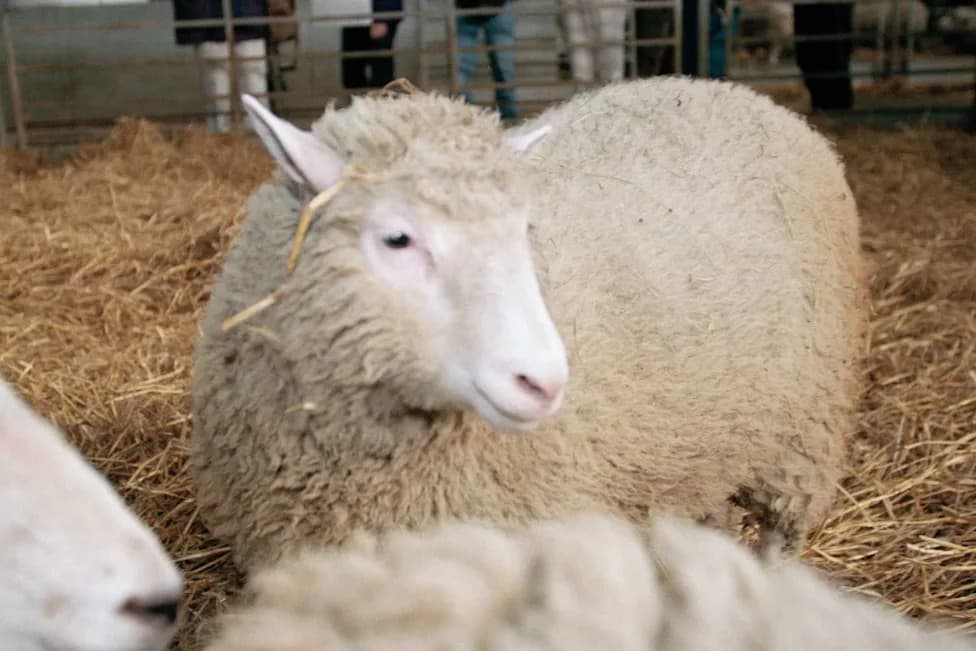
Dolly the sheep in 1997.Credit: Mathieu Polak/Sygma/Sygma via Getty
Thirty years after her birth in Scotland, Dolly remains a landmark in modern genetics. Born at the Roslin Institute on July 5, 1996, Dolly was the first mammal cloned from an adult somatic cell — a breakthrough that challenged assumptions about cell specialization and opened new avenues in stem cell and therapeutic research.
Background and the Breakthrough
Lead researcher Ian Wilmut and his team used a single mammary (udder) cell taken from a six-year-old Finn Dorset ewe. They cultured the cells in the lab, transferred nuclei into enucleated eggs, and implanted the resulting embryos into surrogate mothers. After a 148-day gestation, Dolly was born.
Why Dolly Mattered
Before Dolly, many scientists believed that specialised adult cells had irreversible fates. Dolly demonstrated that an adult cell’s nucleus could be reprogrammed to develop into an entire organism, overturning that assumption and providing a proof of concept for cloning from differentiated cells.
Secrecy, Publication and Public Reaction
Wilmut’s team kept the experiment confidential until the results were published in February 1997. The announcement triggered an intense global media reaction and an ethical debate about the implications of cloning for humans, animals and society. Wilmut later recalled that the volume of public attention had been unexpected.
Life, Health and Scientific Findings
Dolly, originally labelled “6LL3,” earned her name after a farm worker learned the donor cell came from a mammary gland and joked about singer Dolly Parton. Dolly lived a largely normal life at Roslin, producing six lambs with a Welsh Mountain ram named David: Bonny, twins Sally and Rosie, and triplets Lucy, Darcy and Cotton.
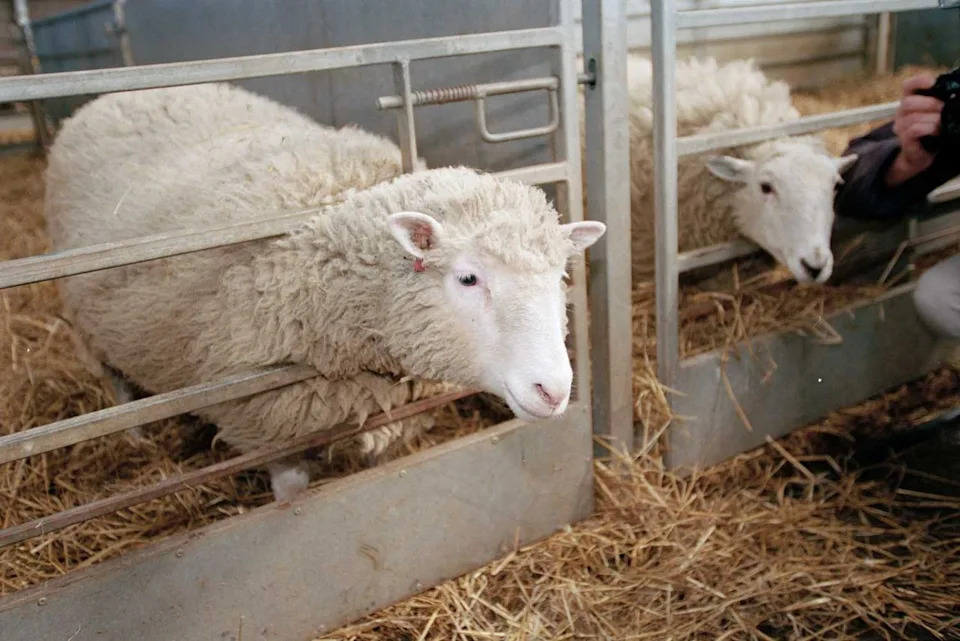
Dolly the sheep in 1997.Credit: Mathieu Polak/Sygma/Sygma via Getty
Genetic analysis of Dolly showed shorter-than-average telomeres for her chronological age. Researchers suggested this might reflect incomplete telomere renewal because the donor DNA originated from an adult cell, raising questions about biological versus chronological age. However, comprehensive health screens at the time did not conclusively link her telomere length to premature aging.
In September 2000 Dolly contracted Jaagsiekte sheep retrovirus (JSRV), which causes lung tumours in sheep. She was euthanized on February 14, 2003, after the disease progressed. Her preserved body is displayed at the National Museum of Scotland.
Scientific Legacy and Commercial Use
The Roslin technique — somatic cell nuclear transfer (SCNT) — remains a foundation for cloning, therapeutic research and some commercial applications. The Roslin Institute notes that earlier animals were cloned from embryonic cells, but Dolly’s achievement was unique because it came from an adult cell. Institutions and companies have since licensed related methods for livestock, conservation and companion-animal cloning; some commercial groups have reported de-extinction and high-profile pet-cloning projects that build on lineage technologies.
Ethics, Regulation and Future Directions
Dolly’s birth reshaped public policy and scientific practice: it intensified ethical debate, contributed to new regulations governing cloning and spurred investment in stem cell research and regenerative medicine. Researchers continue to refine reprogramming methods and explore therapeutic cloning (growing tissues for transplant), while acknowledging that many biological details remain incompletely understood.
In Wilmut’s words: “We knew we had opened the door on something big… Stem cell research, which built on the cloning experiments, is starting to have an effect.”
Dolly may no longer be alive, but three decades after her birth, she still symbolizes both scientific progress and the ethical questions that come with powerful biological technologies.
Help us improve.