Jullien Gaer recounts his family’s escape from persecution in Romania, internment in Atlit and Asmara, and a comfortable childhood in 1950s Tripoli disrupted by the Six‑Day War. Violence in 1967 — during which 18 Jews were killed in Libya — precipitated a wider exodus; the family later resettled in Britain. Now a consultant surgeon in the NHS, the author describes rising anxiety among Jewish colleagues and questions whether Britain remains a safe refuge for Jews today.
From Sanctuary To Unease: A Family’s Escape From Anti‑Semitism and the Question — Is Britain Still Safe for Jews?
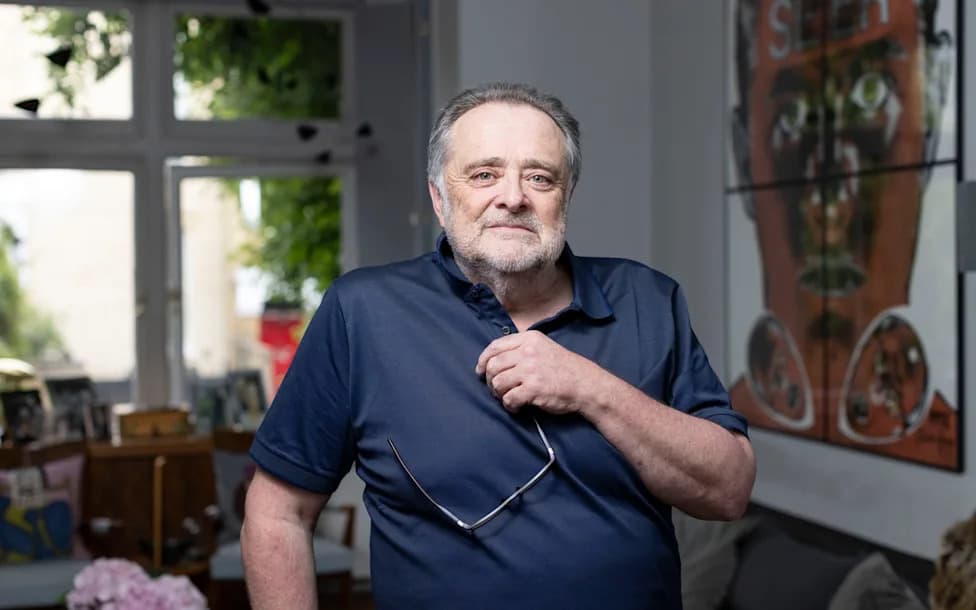
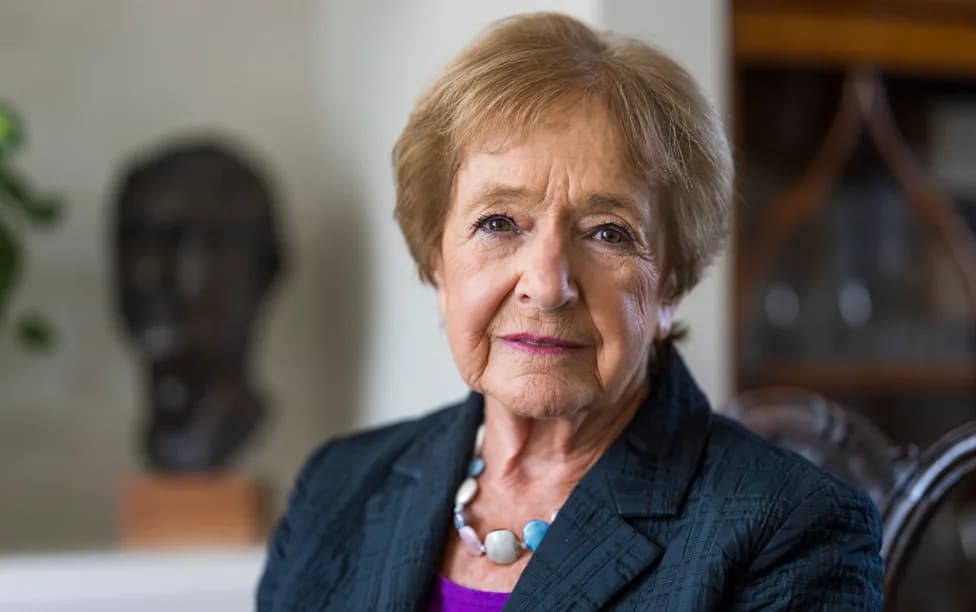
Jullien Baer saw as a child how anti-Semitism swept North Africa - Jeff Gilbert/Jeff Gilbert
Anti‑Semitism can embed itself in a society with alarming ease. In this personal account, a consultant cardiac surgeon traces his family’s flight from persecution in Europe, their life in 1950s Tripoli, and the events that ultimately brought them to Britain — and asks whether the UK remains a safe refuge for Jews today.
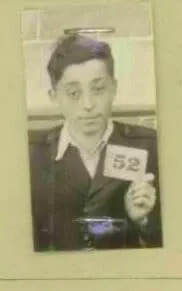
Jullien Gaer's father Roland as photographed by the British police on his arrival as an illegal immigrant in Haifa - Jullien Gaer
Early Peril and Escape
My father was a Romanian Jew from the Black Sea port of Constanța. In the early 1940s, under the Antonescu regime allied with the Axis, Romanian authorities pursued brutal anti‑Jewish policies. Thanks to relatives in Iran and the intercession of a larger Jewish community there, my grandparents and my father obtained Iranian citizenship. That paperwork spared them the likely fate of many "native" Romanian Jews and allowed them to flee.
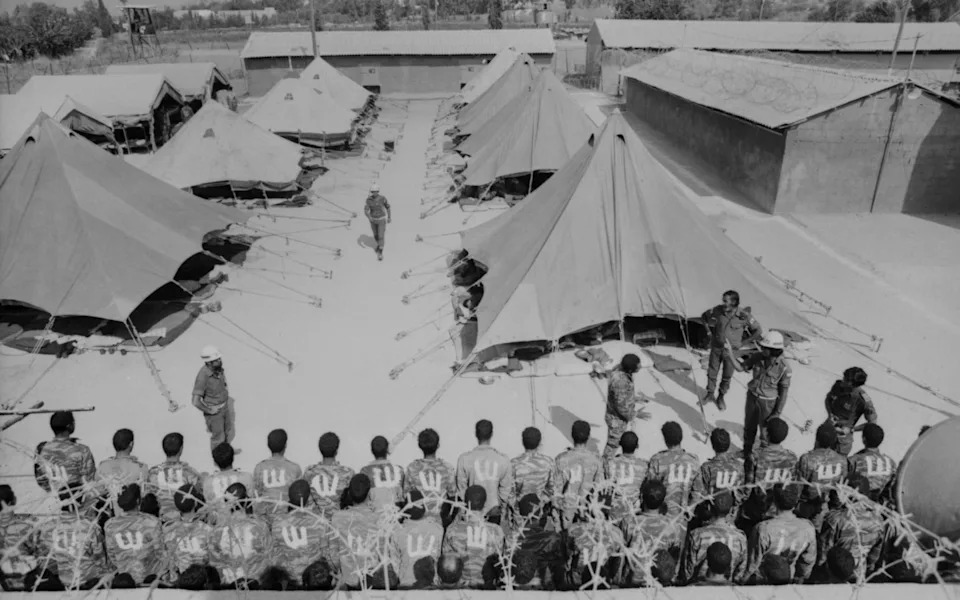
The Atlit concentration camp, south of Haifa, where Mr Baer's family was detained by the British - United Archives/Hulton Archive
Internment and a Wartime Coincidence
The family arrived in Haifa aboard the Darien II and were detained by British authorities as illegal immigrants. My father was held in the Atlit internment camp south of Haifa and later deported to Asmara (now in Eritrea), where internees were held at a former Italian air base alongside figures such as Yitzhak Shamir. By chance, a British officer who knew that my grandfather had served as honorary British consul in Constanța helped secure my father’s release. He subsequently found work with the newly formed BOAC.
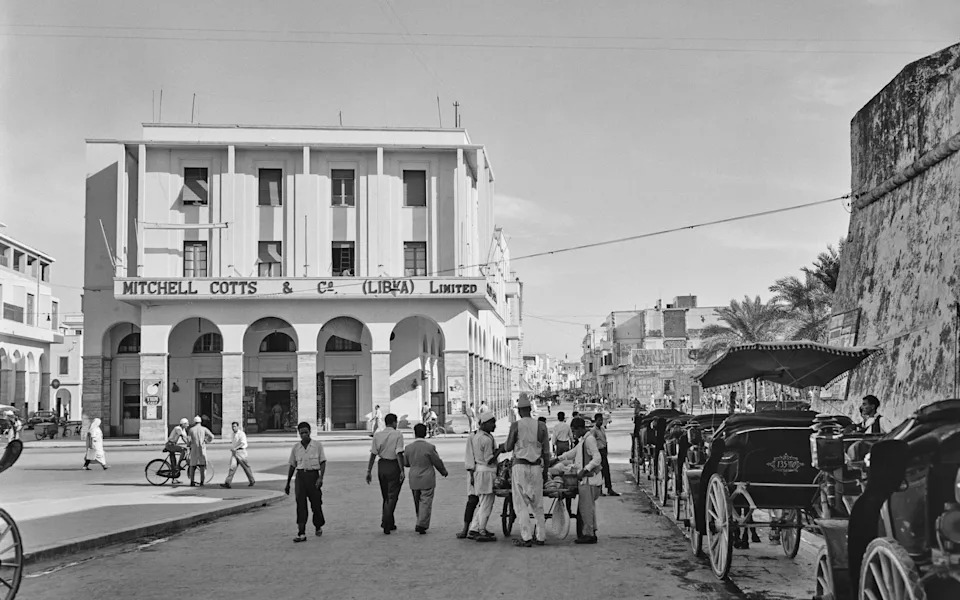
The Tripoli of the 1950s was a childhood idyll - Central Press/Hulton Archive
Life in Tripoli
My father settled in Libya and met my English mother, a civil servant involved in Libya’s transition from Italian rule to independence in 1951. Tripoli in the 1950s felt cosmopolitan and largely secular: Italian was widely spoken, the cuisine mixed North African and Italian influences, and the Mediterranean coast near our home was beautiful and undeveloped. My sister attended an Italian school; I went to the École Franco‑Libyenne. Life seemed, for the most part, harmonious.
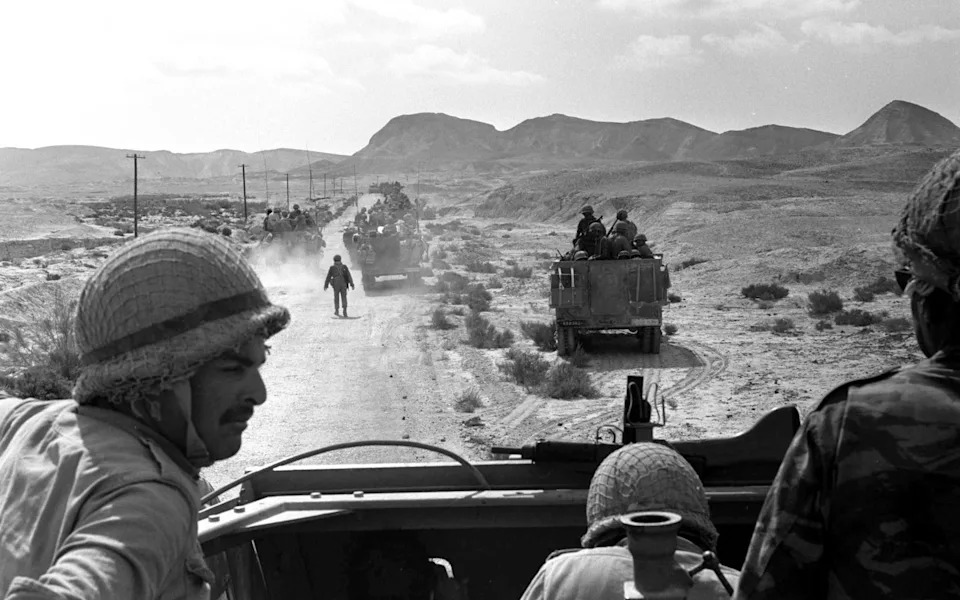
The Six-Day War devastated the prospects of Jewish communities across North Africa - Anon/AP
The Six‑Day War and Its Fallout
Everything changed on June 5, 1967, with the outbreak of the Six‑Day War. Demonstrations in Tripoli turned violent; Jewish businesses were attacked. I remember a TV shop where my father had taken our old set — it was destroyed that day and the set never recovered. Reliable sources report that 18 Jews were killed in Libya during the unrest. Those events accelerated an exodus that left Libya largely Judenrein, with most survivors fleeing to Israel or Italy.
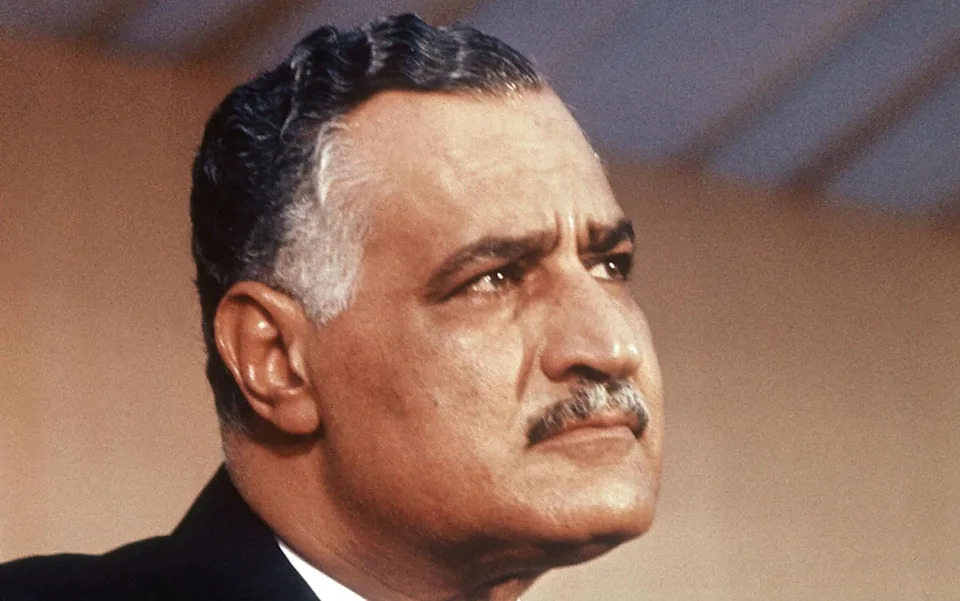
Egypt's General Nasser was a figurehead of Arab nationalism - AFP
Gaddafi, Exodus, and Resettlement in Britain
We remained in Libya through the bloodless coup of September 1, 1969, when Lieutenant Muammar al‑Gaddafi seized power. Initially, there were reforms such as new schools and housing, but the regime’s later corruption and international behavior are well documented elsewhere. By the mid‑1970s, my family relocated to the United Kingdom.
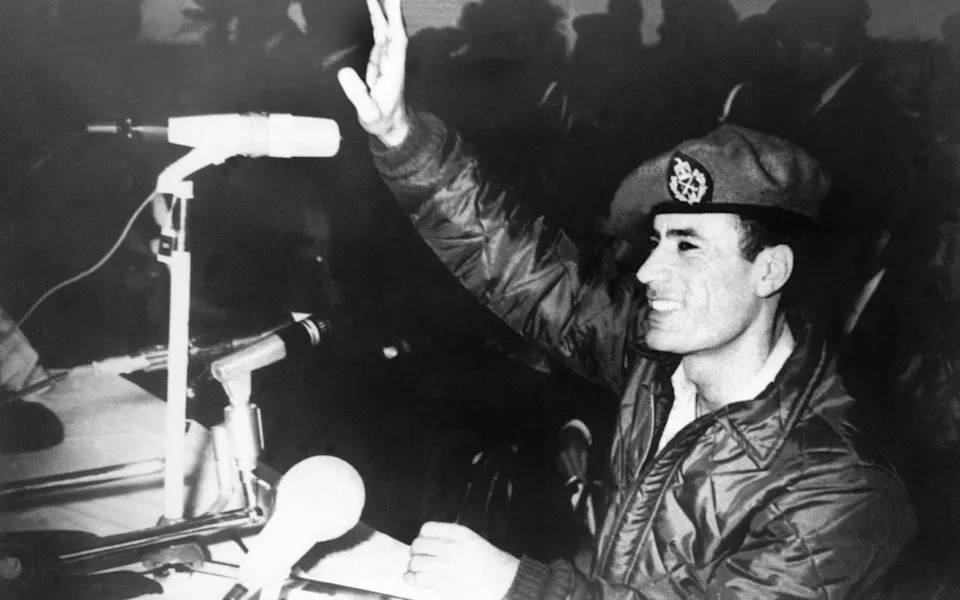
Colonel Muammar Al-Gaddafi changed little at first after seizing power in 1969 - Keystone-France/Gamma-Keystone
New Lives, Lasting Questions
In Britain my father naturalised and proudly embraced his new nationality. My sister, Louise, pursued law and became a judge, later serving as Registrar of the Supreme Court and Registrar of the Privy Council. I have spent more than four decades working in the NHS.
Why Britain’s Safety Is Now in Question
What compels me to revisit this history is a growing unease among Jewish colleagues in the NHS: some are frightened to wear a kippah or to display other markers of Jewish identity at work. At the same time, regulatory bodies — including the General Medical Council and the police — sometimes struggle to strike a clear, consistent line when doctors use professional forums or public protest to advocate a globalised intifada, producing confusion and heavy sanctions in some cases.
Where once I defined myself primarily by a secular, humanist outlook, I now increasingly identify as defiantly Jewish.
Remembering What Was Lost
Across centuries, much Jewish culture in North Africa has been erased; Morocco remains a notable exception where a small Jewish community endures with official protection. Our family’s story is both particular and emblematic: it shows how sanctuary can be found, how fragile it can be, and how quickly belonging can be challenged by geopolitical events and rising intolerance.
I often ask myself how my father, who once declared "I'm British, don't you know" with pride, would respond to Britain today. That question — about belonging, safety and the country's ability to protect its minorities — is the reason I tell this story.
Jullien Gaer is a consultant cardiac surgeon.
Help us improve.