Union contracts are increasingly the main protections against workplace AI while Congress lags. Nearly 90% of U.S. workers—about 130 million people—lack union representation, leaving them vulnerable to AI-driven job changes. Unions from journalism to entertainment are negotiating concrete AI rules (NewsGuild: 85–90 contracts with AI provisions; SAG-AFTRA bans AI replicas without consent), and advocates are pushing federal bills, but nationwide action remains limited.
Union Contracts Are Becoming the Main Defense Against Workplace AI

Illustration: Brendan Lynch/Axios
With Congress largely inactive on workplace automation, union contracts have emerged as the most effective, immediate protections many American workers have against the disruptive use of artificial intelligence.
Why This Matters
Nearly 90% of the U.S. workforce lacks union representation, leaving roughly 130 million workers without collective bargaining power as companies deploy AI to rewrite job descriptions, automate tasks, and cut roles. In that gap, negotiated contract language is shaping how AI is used on the job.
What's Happening At The Bargaining Table
Union leaders and labor experts say concrete limits on workplace AI are most often being written into contracts. NewsGuild-CWA President Jon Schleuss puts it plainly:
“The only meaningful guardrails around workplace AI are happening at the bargaining table, where workers are showing up and demanding protections... AI is something we can negotiate. Without a contract and without a union, you have no say.”
Former FTC Commissioner Alvaro Bedoya adds that union-negotiated rules could be model policies at the federal level if lawmakers decide to act. But for now, those protections live primarily in collective agreements.
Concrete Examples
- The NewsGuild reports it already has 85–90 contracts with explicit AI provisions that protect journalists.
- At Politico, unionized reporters forced management into arbitration after inaccurate AI reporting tools were introduced without union approval; the tools were subsequently dismantled.
- SAG-AFTRA negotiated clauses forbidding AI replicas from replacing performers without their consent.
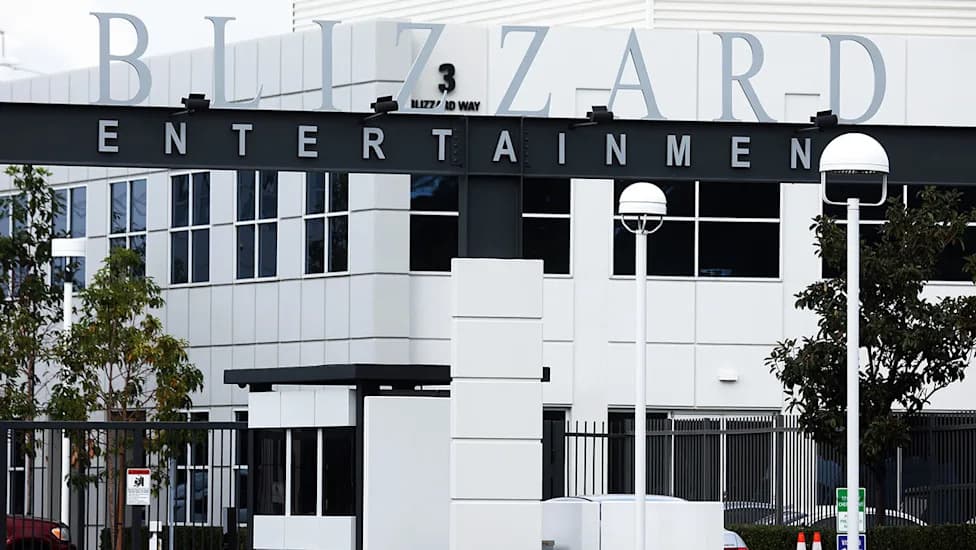
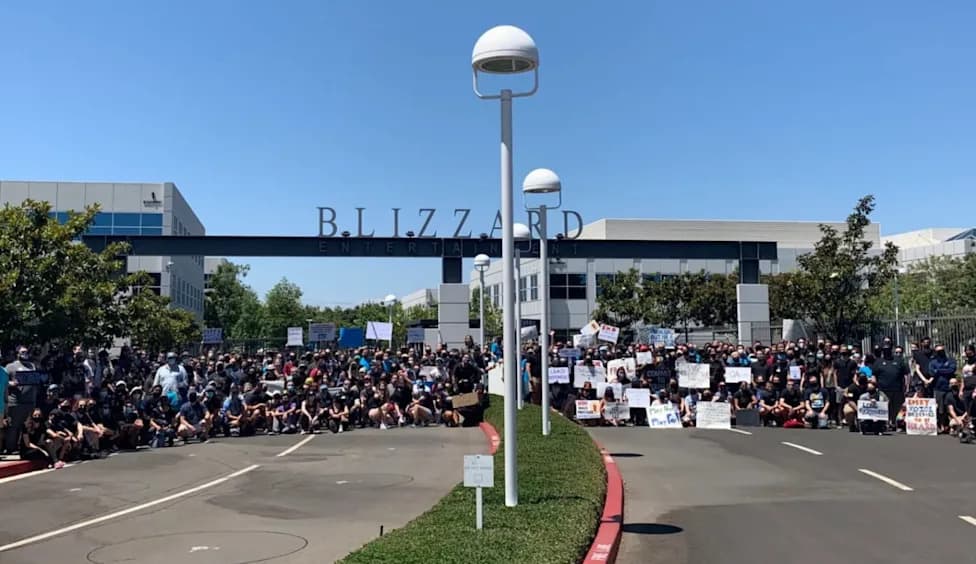
- A union at ZeniMax (a Microsoft-owned game studio) won contract terms requiring AI to support rather than replace workers and obliging management to notify and bargain with the union before deploying new systems.
Where Protections Are Expanding Fastest
Collective-bargaining protections are spreading most rapidly in industries with deep union histories or clear, repeated threats to livelihoods — manufacturing, journalism, and entertainment among them. White-collar tech employees, who long relied on high pay and perks, are organizing in greater numbers after seeing layoffs and automated decisions erode those assumptions.
As Sean Fern, a principal infrastructure engineer and bargaining committee member at NAVA PBC, puts it: there is a “large groundswell” of tech workers organizing after realizing that even high-performing engineers can lose their jobs quickly and unexpectedly.
Limits Of Current Laws
Existing labor statutes — for example, the 1988 WARN Act — were written for 20th-century mass factory closures and do not map cleanly to remote tech work, gig contractors, or subtle, algorithmic layoffs. That legal mismatch helps explain why contracts have become the first line of defense.
By The Numbers
About 16.5 million U.S. workers were represented by unions in 2025, the highest total in 16 years, according to an Economic Policy Institute analysis of federal data. That equals roughly 11.2% of the workforce, but rates vary widely by sector: about 36% of education, training, and library workers are unionized, while only about 4.4% of computer occupation workers and 1.1% of finance workers are represented.
Federal Action And Advocacy
Some states have started to regulate AI at work, but Congress has made limited progress. Critics say many lawmakers opt for symbolic hearings rather than enforceable rules. Lauren McFerran, former NLRB chair and current head of the AFL-CIO Tech Institute, calls federal movement “baby steps,” blaming heavy lobbying by industry interests. The AFL-CIO Tech Institute supports bills such as the No Robot Bosses Act, Stop Spying Bosses Act, No Fakes Act, and the AI Civil Rights Act as paths to stronger national protections.
The Bottom Line
In the absence of comprehensive federal rules, collective bargaining is the clearest immediate route for workers to shape how AI affects their jobs. Workers with union contracts typically have a voice in technology deployments; those without unions are more exposed to unilateral employer decisions.
Help us improve.