
Péter Magyar's April victory ended Viktor Orbán's 16‑year rule and set in motion rapid efforts to reverse institutional capture. Magyar prioritized exposing corruption, restoring judicial and academic independence, unblocking EU military aid to Ukraine and meeting anti‑corruption conditions to release frozen funds. The Hungarian turnaround suggests practical lessons for other democracies: focus on concrete harms like cronyism and economic decline, and offer leaders who connect with ordinary voters' day‑to‑day concerns.
Backing Away From the Abyss: How Hungary Overturned Orbán and Began Rebuilding Democracy
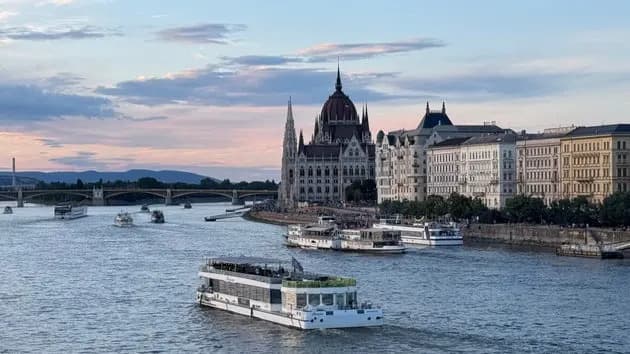
BUDAPEST, Hungary — Europe's most autocratic-curious leader, Viktor Orbán, was forced from power after 16 years in April with a resounding election victory by Péter Magyar and his Tisza Party.S.V. Date/HuffPost
Budapest — After 16 years of steadily consolidating power, Viktor Orbán's defeat on April 12 marked a dramatic political reversal in Hungary. What began as slow institutional capture — stacking courts, curbing independent media, reshaping universities and redrawing electoral districts — ended at the ballot box when Péter Magyar and his coalition won a decisive victory and a two‑thirds parliamentary supermajority.
What Orbán Did
Viktor Orbán used a combination of legal reforms, economic incentives and media influence to entrench his rule. With repeated landslide wins and a two‑thirds parliamentary majority, his government forced out judges and appointed loyal replacements, imposed advertising taxes that bankrupted many outlets and allowed allies to buy media, and revoked broadcast licenses from critics. He placed universities under boards of government nominees and effectively pushed Central European University (CEU) to move its academic programs to Vienna.
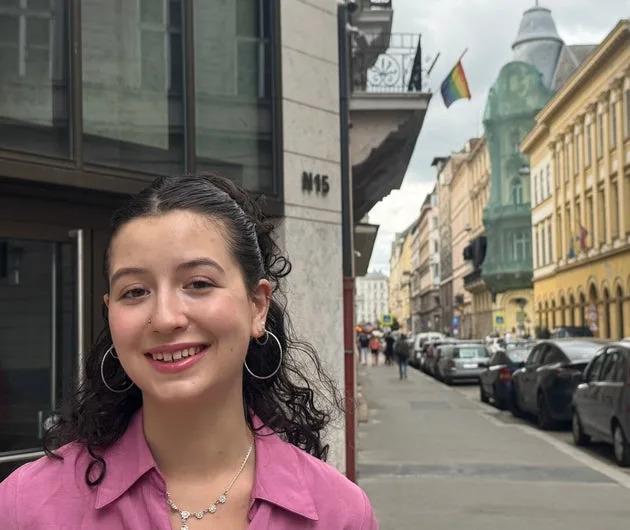
BUDAPEST, Hungary – University student Imola Varga was among the flood of young voters to turn out to remove Viktor Orbán from office after 16 years in power. S.V. Date/HuffPost
Orbán also engineered electoral maps to favor rural constituencies where his base is strongest. Some districts deviated by as much as 20 percent from proportional norms, a variance criticized by the European Commission. The result: parliamentary majorities that often exceeded his share of the popular vote.
The Turning Point
Public tolerance for these changes eroded as ordinary Hungarians felt economic pain. After the pandemic Hungary suffered high inflation and sluggish living‑standard growth, while high‑profile displays of wealth by allies intensified resentment. Rampant cronyism — described by critics as shameless and ostentatious — helped shift perceptions: many voters began to link democratic erosion directly to corruption.
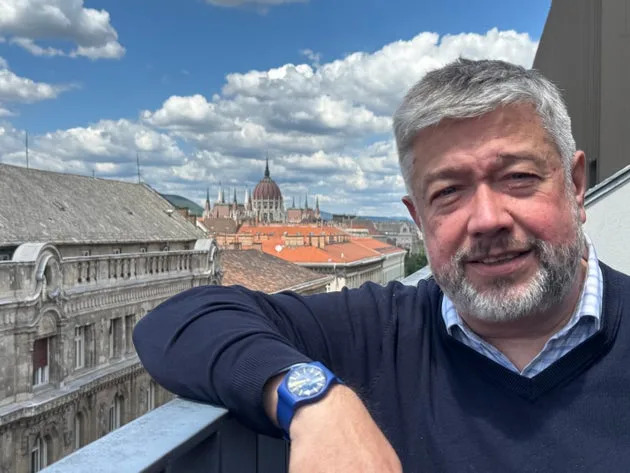
BUDAPEST, Hungary — Oleksandr Shtokvych is the outreach director at Central European University, which former Prime Minister Viktor Orbán drove out of Hungary. The school was founded in 1991 by Hungarian billionaire and philanthropist George Soros. S.V. Date/HuffPost
"Péter Magyar connected corruption to the misery of ordinary people," said Zsolt Enyedi of CEU. "It was also a choice between democracy and dictatorship."
The Election and Immediate Reforms
On April 12, a broad anti‑Orbán coalition led by Péter Magyar won 55% of the popular vote and 71% of parliamentary seats, giving it the two‑thirds supermajority needed to undo constitutional and legislative changes. Within weeks of taking office, Magyar moved to restore institutional independence, lifted Hungary's blockade on European Union military aid to Ukraine, accepted anti‑corruption requirements to unlock frozen EU funds, and reactivated a four‑nation Central European grouping to push back against Russian influence.
Youth turnout and extensive in‑person outreach — including an 11‑day, 200‑mile march to reach previously loyal towns — were central to Magyar's success. Students like 18‑year‑old Imola Varga described election night as euphoric: "Everybody was just hugging everybody around them."
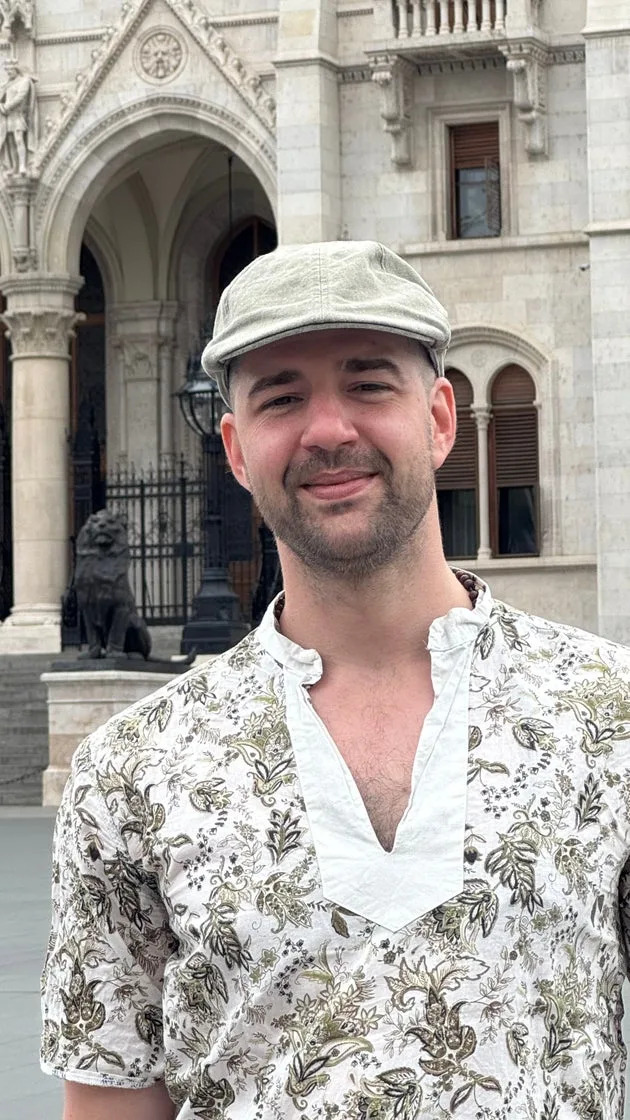
BUDAPEST, Hungary — Barnabás Rákász voted for Viktor Orbán in 2010 and 2014, but turned against him in both 2022 and in this past April's election that ousted him. S.V. Date/HuffPost
Lessons for Democracies Elsewhere
Analysts say Hungary's reversal offers practical takeaways for democracies confronting similar threats: focus on tangible harms such as corruption and economic favoritism, present leaders who speak to everyday concerns (not just abstract democratic theory), and reclaim national symbols and narratives that incumbents exploit.
"Democratic decline is not necessarily irreversible," said Johan Norberg of the Cato Institute. "If citizens remain engaged, even when politics becomes frustrating, there is always a path back." Amanda Carpenter of Protect Democracy added that tying authoritarian tactics to everyday corruption proved persuasive in Hungary.
Why It Matters
Beyond Hungary, the episode is instructive because it shows how a well‑organized opposition can translate grievances about corruption and declining public services into broad-based political change — even where institutions have been weakened. For voters and advocates elsewhere, the Hungarian case highlights that concentrating on concrete misuses of public power and presenting accessible alternatives can reverse democratic backsliding.
Conclusion
Hungary's rapid political pivot — from long‑running institutional capture to an electoral repudiation and early recovery measures — is both a cautionary tale and a blueprint. It underlines the fragility of democratic checks when left unattended, and the power of ordinary voters to demand accountability when everyday hardships are linked to elite enrichment. Whether other countries can replicate Hungary's turnaround will depend on opposition strategy, civic engagement, and the ability to make the stakes tangible to the average voter.
Help us improve.





















